Ben Gvir Expands Gun Licenses in Jerusalem, Signaling Growing Settler Armament

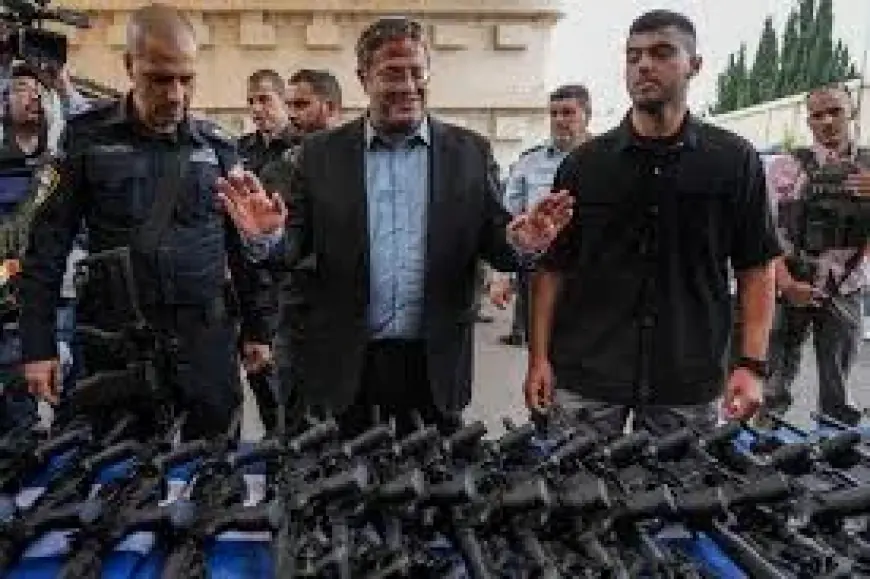
Israeli National Security Minister Itamar Ben-Gvir announced Monday that residents of all Jewish neighborhoods in occupied Jerusalem will now be eligible to obtain gun licenses. The announcement by ben gvir points toward wider civilian armament in Jerusalem and has prompted warnings from Palestinian groups and human rights observers about escalating violence.
How Itamar Ben-Gvir’s policy changes licensing for Jerusalem residents
Ben-Gvir said the licensing change will ease restrictions and enable tens of thousands of additional Israelis in Jerusalem to legally carry weapons, expanding eligibility across 41 Jewish neighborhoods. The context indicates the decision could allow nearly 300, 000 Israeli residents to apply for personal firearms permits, a scale that would materially change how weapons are distributed in the city.
Drivers: Settlers, West Bank tensions and the Gaza Strip aftermath
Palestinians in the occupied West Bank and Jerusalem have long faced violence from armed settlers, and Palestinian rights advocates warn this licensing change will further empower extremist settler groups. Human rights organizations describe near-daily attacks by armed colonists using firearms to intimidate families, vandalize property, and force communities from their land, making the timing of the policy notable in light of recent hostilities tied to the Gaza Strip assault last year.
For Palestinian residents of Jerusalem, the expansion comes amid heavy police presence, restrictions, and settlement expansion in neighborhoods where Palestinians already report heightened vulnerability. Analysts in the context argue that arming hundreds of thousands of settlers could dramatically alter the security landscape of Jerusalem and increase the risk of confrontations.
Scenarios if Ben Gvir’s expansion continues or if Palestinian pressure rises
If Ben Gvir’s licensing expansion proceeds and permits are issued at scale, the immediate direction signaled in the context is broader civilian armament among settlers, potentially empowering extremist groups and increasing confrontations with Palestinian communities. The context links the policy to the potential mobilization of nearly 300, 000 residents across 41 Jewish neighborhoods, which critics say effectively promotes the militarization of settler communities in the occupied city.
Should Palestinian leaders and activists secure a stronger international response to their calls for intervention, the context suggests the policy could face external pressure that might alter implementation. Palestinian leaders and activists have called on the international community to intervene, and that appeal is the explicit counterweight in the context to potential on-the-ground changes from the new licensing rules.
Based on context data:
- Nearly 300, 000 Israeli residents could be eligible to apply for firearms permits.
- Eligibility would span 41 Jewish neighborhoods in occupied Jerusalem.
- Implementation would ease restrictions and enable tens of thousands more to carry weapons.
Human rights observers in the context warn that armed colonists have carried out near-daily attacks against Palestinian residents, often using firearms to intimidate families and accelerate displacement. Palestinians argue these attacks form part of a broader strategy to expand settlements across occupied territory, a claim stated directly in the provided material.
The next confirmed signal from the context will be whether Israeli authorities begin issuing firearms permits under the new rules or whether international actors respond to Palestinian appeals for intervention. What the context does not resolve is how many permits will actually be issued, how authorities will enforce the eased rules, or which mechanisms—if any—will limit the spread of weapons in the most volatile neighborhoods. For now, the policy announcement by ben gvir establishes a clear trajectory toward greater armament in Jerusalem and a heightened potential for further destabilization unless the unresolved implementation details change course.