Mojtaba Khamenei Named Supreme Leader, Iran War News Reveals Deep Divisions
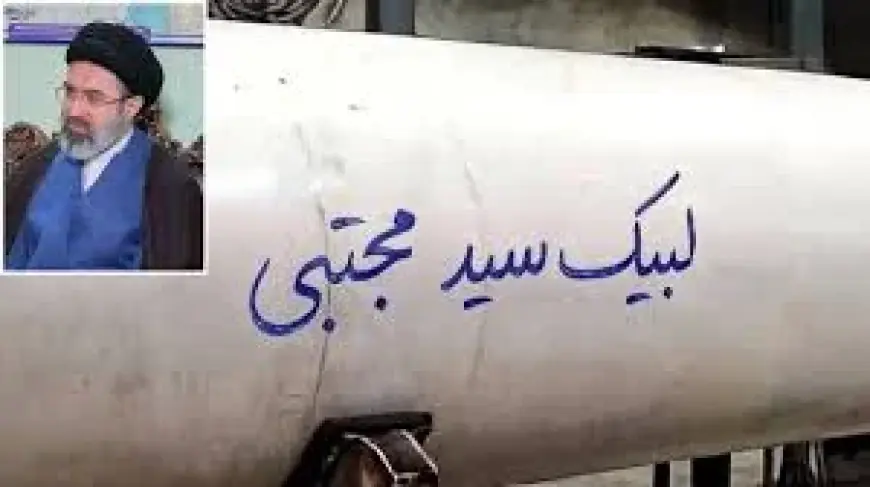
Mojtaba Khamenei has been named Iran’s new supreme leader and successor to his father, Ayatollah Ali Khamenei, who was killed on the first day of the war with the US and Iran. The data suggests this appointment, highlighted in iran war news, exposes deep domestic splits between pro‑establishment celebrations and vocal opposition reflected in chants and street footage.
Mojtaba Khamenei’s appointment, state rallies in Tehran, Qom and Mashhad
Mojtaba Khamenei was named supreme leader after the death of Ayatollah Ali Khamenei on the first day of the war with the US and Iran, and state television footage has shown pro‑establishment crowds waving the flag of the Islamic Republic in Tehran, the holy city of Qom, and Mashhad, his birthplace. Mojtaba Khamenei himself has yet to make a public appearance or speech, and social media videos include both chants of “Death to Mojtaba” and “Death to the lackey” as well as chants of “Allahu Akbar” in support.
Assembly of Experts’ choice and IRGC proximity as the key trigger
The Assembly of Experts, described in context as an 88‑member clerical body that chooses the supreme leader, selected Mojtaba Khamenei, and for years there have been rumours he held considerable influence behind the scenes. The pattern points to a continuity of the previous leadership: one Tehran resident said the Assembly could not have selected anyone closer to Ali Khamenei, and many expect Mojtaba Khamenei to continue his father’s hardline policies and to be close to the IRGC.
Iran War News: Israel targeting Iranian ‘hardliners’ and civilian fears
Headlines cite Israel targeting Iranian “hardliners” and a chilling missile message from the new leader as part of the immediate reaction, while domestic statements link the appointment to potential escalation. A woman in her 20s in Tehran said she believed Mojtaba Khamenei would be “even more oppressive than his dad” and added, “I really hope their [senior officials’] lives end in the war, ” expressing a desire for foreign targeting. Another Tehran resident in his 30s called Mojtaba Khamenei “vengeful” and said, “If he can’t take revenge on the US, he will take it out on us ordinary people. I hope that Israel and the US will target him. ” Still, those pro‑establishment voices shown on state broadcasts say they are “very happy” and credit the Assembly for the choice.
The data suggests this mix of public celebration, open opposition, and calls for external targeting creates a volatile domestic and regional dynamic anchored in specific facts: the leader’s succession, the Assembly of Experts’ role, and explicit citizen statements invoking Israel and the US.
For now, the next confirmed milestone is whether Mojtaba Khamenei will make a public appearance or deliver a speech; if he does appear and signals continuation of his father’s hardline policies, the data suggests domestic repression and external targeting pressures are likely to intensify.