U.S. Oil Reserves Stay Low at 60% Despite Trump’s Refill Promise

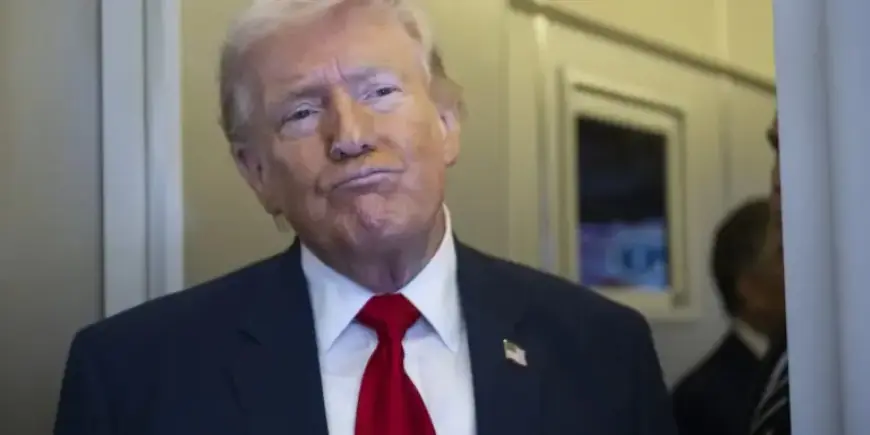
The United States faces a concerning scenario regarding its oil reserves, as they currently stand at about 58% capacity. This situation follows promises made by President Donald Trump to replenish the Strategic Petroleum Reserve (SPR) during his inaugural address in January 2025. Despite his bold declaration of a national energy emergency, the reserves remain far from full capacity.
Current Status of U.S. Oil Reserves
The SPR holds 416 million barrels of crude oil, significantly below its maximum capacity of 714 million barrels. This marks only a modest increase of about 5% since Trump took office. The Department of Energy provided this latest inventory report, dated February 18.
Conflict in the Middle East Affects Oil Supply
The situation has worsened due to ongoing military conflict in Iran, which has disrupted oil shipments from the Middle East. Following the outbreak of war, oil producers in the region, including Iraq and Kuwait, began cutting production. Currently, about 20% of the world’s oil supply passes through the Strait of Hormuz, which Iran’s Revolutionary Guard has effectively blockaded, further straining global oil availability. As a result, Brent crude prices surged past $100 a barrel for the first time since 2022.
Impact on Gas Prices
American consumers are already experiencing the effects, with nationwide gas prices rising by an average of 14% to $3.41 per gallon, according to AAA data. The Trump administration has yet to communicate any plans to release oil from the SPR despite the escalating energy market crisis.
Historical Context of the Strategic Petroleum Reserve
The SPR was established in 1975, following a previous oil crisis caused by supply cuts in the Middle East. This strategic buffer was designed to help navigate future price shocks and supply interruptions. However, the reserve has not been utilized effectively in recent years to safeguard against disruptions.
Political Dynamics and Future Considerations
- Pressure on the Trump administration is increasing to consider a release from the SPR.
- Senator Chuck Schumer has publicly urged such a move as the midterm elections approach.
- G7 finance ministers have also discussed coordinating a potential release of oil reserves to mitigate disruptions.
Observations from analysts, including former International Energy Agency head Neil Atkinson, warn that current conditions could lead to an energy crisis without proactive measures. While Trump claims there’s a “tremendous amount” of oil available, the realities of oil reserve levels indicate the need for immediate strategy updates.
Long-Term Solutions
Restoring the SPR to full capacity may require significant investment. A DOE report pointed out that at least 70% of the reserve’s infrastructure is outdated. Repair costs could exceed $100 million, further complicating the administration’s goals of refilling and maintaining emergency supplies.
As the political landscape evolves, the urgent need for a comprehensive energy strategy becomes increasingly clear. Addressing these challenges is essential not only for the current administration but also for the long-term stability of the U.S. energy market.
For continuous updates on energy policies and market conditions, visit Filmogaz.com.