Oil Price Hike Amid Iran Conflict Drives U.S. Gas Costs Higher

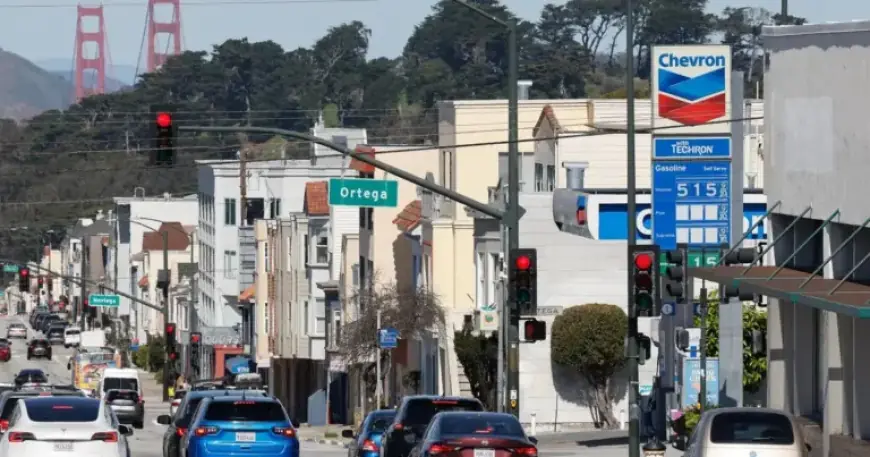
Recent conflicts involving Iran have driven U.S. gasoline prices higher. As of Monday, oil prices surged above $100 per barrel, marking the highest level since 2022. The national average cost for gasoline reached $3.48 per gallon, reflecting a sharp increase of 48 cents from last week and 58 cents from the previous month, according to AAA data.
Regional Price Variations
Price disparities across the U.S. are significant. California currently has the highest gasoline prices, averaging $5.20 per gallon. Washington state follows, with prices reaching $4.63 per gallon. In contrast, Kansas boasts the nation’s lowest average price at $2.92 per gallon.
Market Dynamics and Trends
On Monday, West Texas Intermediate (WTI) and Brent crude oil prices rose to nearly $120 per barrel. By the afternoon, WTI settled at $94.77 and dipped below $85, while Brent crude ended at $98.96 before trending toward $95. Meanwhile, the price of diesel has risen sharply, up 89 cents in the past week, now standing at $4.66 per gallon.
Supply Chain Disruptions
The ongoing conflict has disrupted oil flow through the Strait of Hormuz, a vital shipping route connecting the Persian Gulf to the Arabian Sea. This disruption has sparked concerns about the continued rise in gas prices.
Future Expectations
JPMorgan projects that elevated gas prices may persist, driven by seasonal demand during summer months. David Kelly, their chief global strategist, noted that even after oil production resumes, higher prices could continue. Additionally, Ian Bremmer, founder of Eurasia Group, expects average gas prices to stabilize around $4 in the coming week.
- Impact of oil on gas prices: Oil represents about 60% of gasoline costs.
- Tax and local fees influence final pump prices.
Economic Implications
Rising fuel costs disproportionately affect lower-income households, which spend a large portion of their income on essentials like gasoline. Bernard Yaros, an economist at Oxford Economics, suggests that increased gas prices could limit discretionary spending among these households. This may lead to heightened financial stress and a rise in delinquency rates.
Despite these challenges, higher-income consumers are expected to maintain their spending levels, somewhat cushioning the broader economy. Yaros noted that as long as upper-income households continue to spend, a consumer spending recession may be avoided.
Government Response
In response to these challenges, the U.S. International Development Finance Corporation will provide insurance for ships traveling through the Persian Gulf, covering potential losses up to approximately $20 billion. This measure aims to support maritime operations in the region during these uncertain times.
Overall, the conflict with Iran and the subsequent surge in oil prices are poised to have significant ramifications for U.S. gas prices and the economy at large. As these developments unfold, observers will continue to monitor their impact on consumer behavior and inflation trends.