Trump Phone call with Putin signals a diplomatic track on Iran war

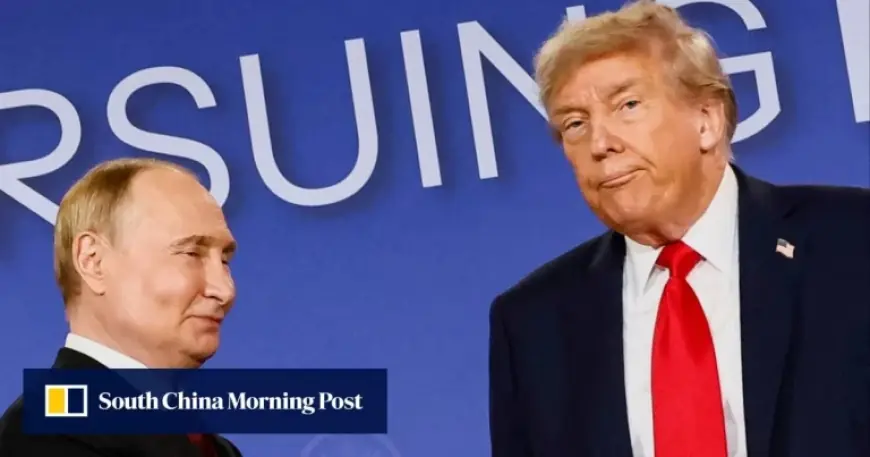
Russia’s President Vladimir Putin and US President Donald Trump held a one-hour telephone conversation on Monday, a trump phone contact the Kremlin described as “frank and constructive. ” The call’s focus on the Iran war and the Ukraine conflict signals an attempt to keep diplomacy active alongside ongoing fighting, with Moscow emphasizing a “quick political and diplomatic settlement” regarding the war against Iran.
Vladimir Putin and Donald Trump return to direct talks after December
The Kremlin described Monday’s conversation as the first talks between Putin and Trump since December, and it lasted one hour. The discussion was sought by Washington, Putin’s diplomatic adviser Yuri Ushakov said, framing the call as a US-initiated effort to engage on multiple security issues at once.
Within the Kremlin’s account, the agenda ran on two parallel tracks: the conflict involving Iran and negotiations tied to the Ukraine war. Ushakov said “the accent was placed on the situation surrounding the conflict with Iran and the bilateral negotiations under way with the representatives of the United States on settling the Ukrainian question. ” That formulation points to diplomacy being treated not as an add-on, but as a central channel running alongside military developments.
Trump Phone agenda: Iran war settlement language and Ukraine “line of contact” claims
On Iran, Ushakov said Putin called for a “quick political and diplomatic settlement” to what he characterized as the US-Israeli war against Iran, which he described as a key ally of Russia. The emphasis on speed and on political and diplomatic mechanisms, rather than military outcomes, is a clear signal in the Kremlin’s readout of what it wants prioritized in any next steps.
On Ukraine, Ushakov said Putin provided Trump with “a description of the current situation on the line of contact where Russian troops are progressing with a lot of success. ” That claim, presented as part of the call, suggests Moscow sought to pair its diplomatic messaging with an on-the-ground narrative of momentum in the Ukraine war. In the same conversation, Ushakov said Putin “positively evaluated the mediation efforts undertaken” by Trump in the Ukraine conflict, indicating the Kremlin is also positioning Trump as a channel for mediation even while Putin described battlefield developments in favorable terms for Russia.
Yuri Ushakov’s framing points to a two-track trajectory for Iran and Ukraine
The confirmed development is narrow but telling: a one-hour call, described as frank and constructive, with explicit attention to both the Iran war and the Ukraine conflict. The direction implied by the Kremlin’s wording is a two-track approach in which talk of a “quick political and diplomatic settlement” on Iran sits alongside continued focus on negotiations linked to Ukraine, and alongside claims of success at the “line of contact. ” Put another way, the language in the readout suggests diplomacy is being presented as urgent on Iran, while the Ukraine element mixes negotiation talk with a military progress narrative.
If the current emphasis on a “quick political and diplomatic settlement” continues… the most visible trajectory in the context is that future leader-to-leader contacts could keep centering Iran alongside Ukraine, using the same structure Ushakov outlined: Iran first as a settlement-driven priority, Ukraine as a negotiation track connected to US representatives. That continuity would follow directly from the way the Kremlin described where the “accent” was placed in this call.
Should Washington’s role shift from seeking discussion to shaping follow-up talks… the balance of how the two issues are packaged could change. The context already states Washington sought the discussion, and it also states Putin offered both a settlement appeal on Iran and a battlefield description on Ukraine. A follow-on engagement driven by different objectives could alter whether Iran remains the headline issue of the call, or whether the negotiating component on Ukraine becomes the lead item, but the context does not confirm any next meeting or agenda beyond what was said Monday.
The next confirmed signal in the context is the fact of this being the first Putin-Trump talks since December, which establishes that direct contact has resumed at least once this year. What the context does not resolve is whether there will be additional calls, whether any specific diplomatic steps will follow, or whether the stated preference for a “quick political and diplomatic settlement” on Iran will translate into concrete negotiations beyond the framing offered by Ushakov.