Odafe Oweh vs. Jaelan Phillips: what two 9-figure deals reveal

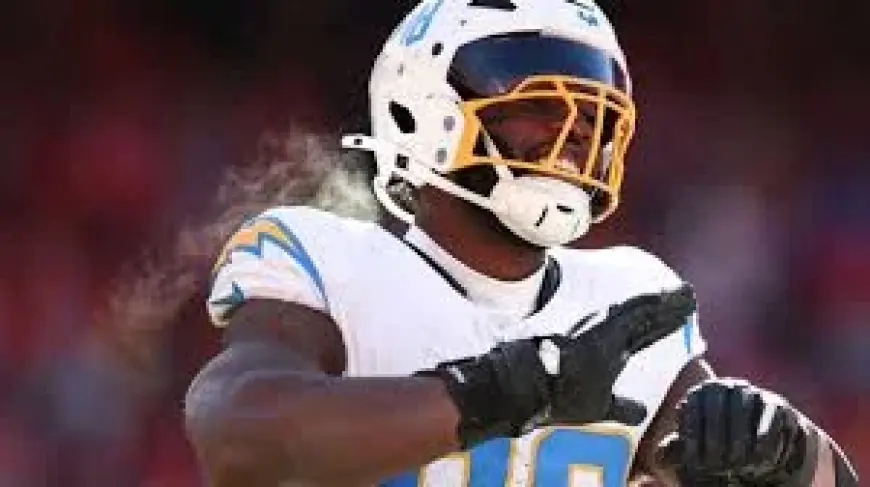
Odafe oweh just joined the Washington Commanders on a four-year, $100 million contract with $68 million guaranteed, hours after the Carolina Panthers agreed to a $120 million deal with Jaelan Phillips. Put side by side, the two agreements answer a pointed question: are teams paying strictly for proven dominance, or for the scarcity of pass rush help and the urgency of defensive need?
Odafe Oweh and the Commanders: a big bet tied to a clear need
Washington committed four years and $100 million to Odafe oweh, with $68 million guaranteed. The deal lands as the Commanders try to address a defense that gave up the most yards in the NFL last season, a context that frames the move less as a luxury and more as a response to a measurable problem.
Washington’s pass rush production also left a specific gap. The Commanders had just one player record more than 5. 5 sacks last season, and that was 38-year-old Von Miller. In that light, the contract reads as a push to secure a younger edge rusher to build around, even if the player’s overall profile is described as “good but not elite. ”
The money also reflects how the market treats quarterback disruption. In the same stretch of free-agency action, another edge rusher commanded even more, reinforcing the idea that teams are paying what it takes when they believe pressure can change games.
Jaelan Phillips and the Panthers: the market signal that set the tone
Carolina’s agreement with Jaelan Phillips came first and carried a $120 million price tag. With those terms on the table, Phillips’ deal acted as a market signal: pass rushers are expensive, and teams were willing to go to nine figures quickly.
That matters for interpreting Washington’s move. When a $120 million agreement is already in place, a $100 million commitment becomes less of a one-off headline and more of a second data point in the same pricing environment. The comparison does not require guessing at motivations; the sequence alone shows how rapidly the top end of the market reset during the same window of activity.
Commanders vs. Panthers: comparable price, different profiles and timing
Placed in direct comparison, the two deals reveal the same structural force with different immediate justifications: teams paying top dollar for edge rushers, even when the player’s recent résumé can be debated. For Washington, the context is explicit—last season’s yardage allowed and limited sack production created pressure to add impact talent up front. Carolina’s agreement, arriving earlier and at a higher total figure, underscores that the broader market had already turned aggressive.
Odafe oweh’s path to his payday highlights how quickly value can swing. Last season began with a quiet first half for the Baltimore Ravens: he did not record a sack in five games, his playing time dipped to 45% of the Ravens’ defensive snaps, and he was traded—along with a 2027 seventh-round pick—to the Los Angeles Chargers for safety Alohi Gilman and a 2026 fifth-round pick. The cost was described as low, especially given what followed.
After the trade, Oweh produced 7. 5 sacks for the rest of the season with the Chargers. Yet even that surge came with usage limits: he started only two of 12 games and played just 50% of the Chargers’ defensive snaps. Still, the combination of second-half production and pass-rush upside pushed him into the top tier of available free agents and into a massive contract with Washington.
| Point of comparison | Odafe Oweh | Jaelan Phillips |
|---|---|---|
| Team | Washington Commanders | Carolina Panthers |
| Deal size | 4 years, $100 million | $120 million |
| Guaranteed money stated | $68 million guaranteed | Not stated |
| Recent sack totals stated | 7. 5 sacks last season; 10 sacks two seasons ago | Not stated |
| Market role in this window | Followed another major pass rusher deal | First major deal referenced; helped define price |
Analysis: The verdict from the comparison is that the market, not just individual résumé strength, is doing much of the work in setting these numbers. Phillips’ $120 million agreement illustrates the ceiling teams were willing to reach; Oweh’s $100 million deal shows that even a player described as “good but not elite, ” with uneven usage and a midseason trade at a modest cost, can still command nine figures when the position is scarce and the buyer has an urgent need.
The next test of that verdict is performance: Washington paid to land a new edge rusher for a defense that gave up the most yards last season. If Odafe oweh repeats what he has done in the NFL, the comparison suggests the Commanders will have matched the market’s logic—paying premium prices for disruptive potential because they considered the alternative even costlier.