Iran Conflict Drives Grocery Prices Higher: ‘Everything Will Increase’

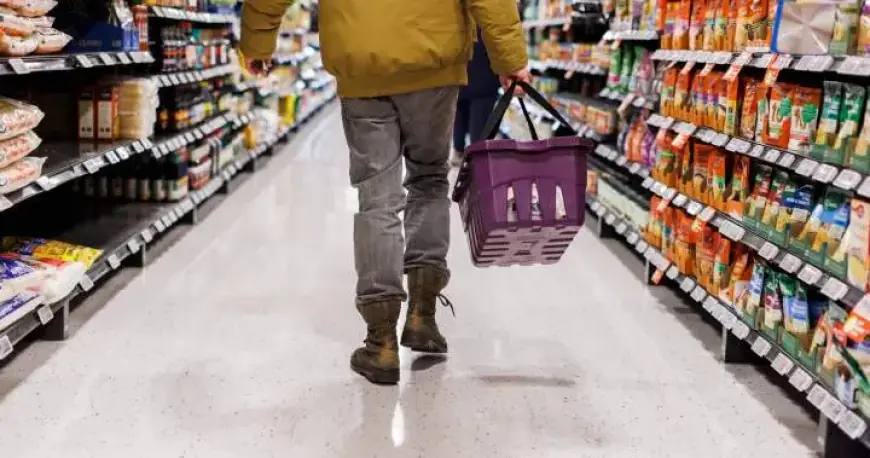
The ongoing conflict in Iran is exerting a significant influence on global energy prices, which have surpassed $100 per barrel. Experts predict that consumers will soon see the effects of this crisis on grocery bills as well. The increased cost of oil will directly impact food transportation, leading to rising prices in grocery stores across Canada and beyond.
Iran Conflict Drives Grocery Prices Higher
According to Andre Cire, a supply chain expert at the University of Toronto, escalating oil prices will likely translate to a 10-15% increase in grocery prices for Canadians by the end of the month. This is largely due to rising transportation costs associated with food distribution.
Impact on Food Transportation
- The conflict has led to significant delays in shipping routes, particularly through the Strait of Hormuz.
- As the crisis continues, freight costs are expected to rise, further affecting food prices.
- Food economist Mike von Massow highlights that extended shipping times will also disrupt the supply chain.
Concordia University economist Moshe Lander notes that the intricate supply chain of food distribution adds complexity to these disruptions. He emphasized that higher oil prices will directly affect food costs, as Canada spans about 7,000 kilometers from coast to coast.
Specific Food Products Affected
Immediate effects may be seen in the prices of certain food items, with some specialty products like Indian basmati rice becoming more costly. There are reports of about 400,000 metric tons of basmati rice being held up due to interruption in shipping, which is particularly concerning for markets in the Middle East.
- About 200,000 tons of basmati rice are currently in transit, while an equal amount remains stranded at Indian ports.
- India, a major exporter of this rice, has faced challenges in shipping these products, as the war has increased freight rates significantly.
- The Middle East is a key market for Indian basmati rice, with Saudi Arabia, Iran, and the UAE accounting for more than half of all shipments.
Global Food Security Concerns
Current disruptions raise fears about global food security, particularly when critical shipping lanes like the Strait of Hormuz are affected. Historical data reveals that a significant percentage of the world’s staple crops, primarily wheat, rice, maize, and soybeans, are produced in just a handful of countries.
Economists are concerned that long-term inflation caused by ongoing conflicts could result in soaring food prices globally. With uncertainty surrounding oil supply and its impact on food distribution, consumers may face a turbulent economic landscape in the near future.
As the situation evolves, the implications for groceries and essential food items will be closely monitored by experts across various sectors.