Powell Strategically Blocks Trump’s Federal Reserve Overhaul Plans

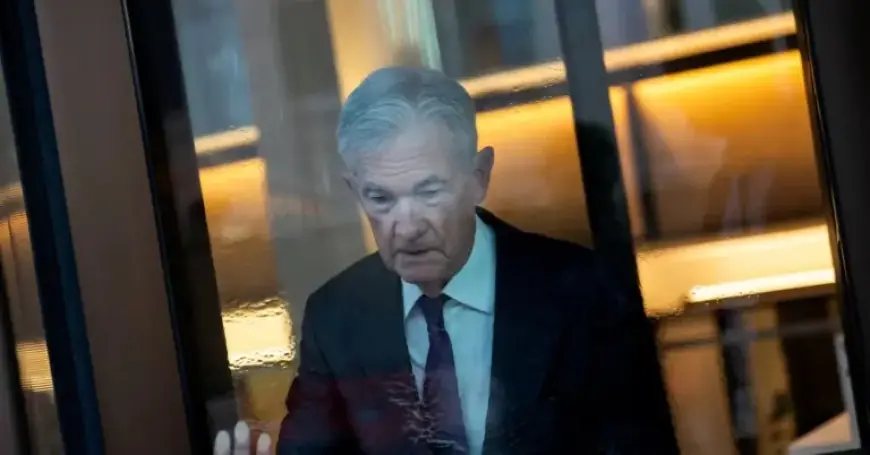
The future of U.S. Federal Reserve Chair Jerome Powell hangs in the balance as he navigates pressure from the Trump administration. With his term ending in May, Powell faces a critical decision: to step down or remain on the board, where he holds a seat for another two years.
Powell’s Potential Continuation Amid Trump Pressure
At 72, Powell enjoys pursuits like spending time with family and his hobbies. However, the threats surrounding his leadership raise stakes for the Federal Reserve’s integrity.
- Powell’s term as chair concludes in May.
- His board seat extends for two more years.
- The Trump administration has created tensions regarding Fed independence.
Powell’s leadership has faced scrutiny, especially as Trump calls for interest rate reductions, criticizing Powell and the Fed for perceived delays in monetary policy adjustments. The situation escalated recently with reports of a potential criminal indictment, a move seen as an attempt to undermine Powell’s position.
Independence of the Federal Reserve
The Federal Reserve’s independence is crucial for maintaining economic stability. The U.S. central bank consistently ranks high among major developed nations in terms of operational independence. However, Trump’s continued pressure has raised concerns about potential shifts in this structure.
If Powell opts to remain, he would break a long-standing tradition where outgoing chairs typically step aside, allowing new appointees to take the helm. The last Fed chair to stay on was Marriner Eccles in the late 1940s.
Implications of Powell’s Decision
Remaining on the Fed board could provide Powell with a vital swing vote amid a politically divided board. Currently, members include both Trump and Biden appointees. How Powell navigates these dynamics may influence significant reforms within the Fed.
- Potential reforms include reorganizing structures and adjusting monetary policies.
- Powell could shape future decisions during Trump’s presidency, especially as new governors are nominated.
Experts warn that political influence over monetary policy can lead to severe economic consequences. The Fed’s independence allows it to focus on long-term economic stability rather than succumbing to short-term political pressures.
Remaining in the Spotlight
Powell’s decision to stay or leave is layered with risks, especially considering the mounting pressure from Trump. The current scrutiny positions Powell in a challenging light, but it also emphasizes the importance of the Fed’s autonomy. Maintaining this independence may necessitate a delayed retirement for Powell.
The coming months will prove critical for both Powell and the Federal Reserve as they face unprecedented challenges. The need for a balanced approach to monetary policy and political interests remains essential for the economy’s future.