




















Lamar Odom’s Near-Death Story Opens Untold’s New Season, Forcing a Reframe of a Well-Trod Public Narrative

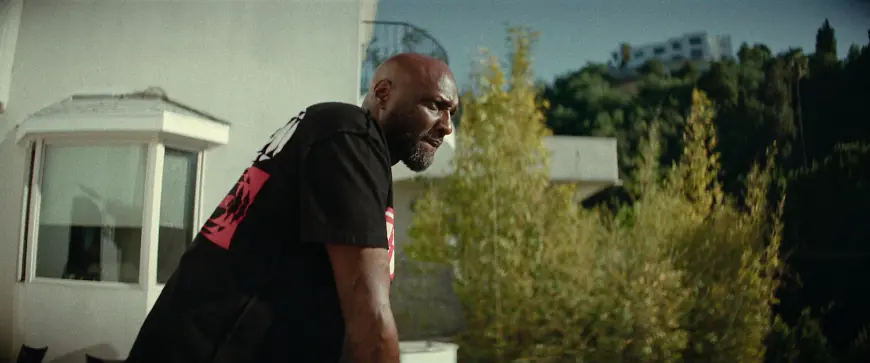
The return of the Untold docuseries starts with Lamar Odom, and that placement matters: the film spotlights firsthand testimony from Odom and people close to the episode to reshape how the 2015 crisis is remembered. Here’s the part that matters — viewers and those named in the film get to set the record with fresh detail, and the series’ week-by-week rollout makes this the first of four tight pivots in the season’s storytelling.
Who feels the immediate impact: Lamar Odom, interview subjects and the audience
Putting Lamar Odom at the top of the release slate signals an editorial choice to foreground personal testimony. The film features candid interviews with Lamar Odom, Khloé Kardashian, and the former manager of the Love Ranch, offering participants a chance to revisit how private struggles and pressures converged on a single night. For viewers, a first-hand presentation changes how the incident is interpreted: instead of a retelling through headlines, the narrative is driven by people who lived it.
What’s easy to miss is that revisiting a traumatic public moment in documentary form rarely just retells — it changes the public record by centering voices that were previously peripheral. That shift affects fans, teammates, and the individuals who appear on camera, as well as the broader audience for sports-focused storytelling.
How the new Untold season frames Lamar Odom’s story amid a four-film rollout
The series returns with four new, character-driven films that premiere weekly starting on March 31, 2026. Each episode is positioned to dig beyond headlines and emphasize first-person perspectives. The season’s schedule and subjects are outlined below:
- UNTOLD: The Death & Life of Lamar Odom — March 31, 2026: Revisits the 2015 night when Lamar Odom was found unresponsive at the Love Ranch, described as a brothel outside Las Vegas. The documentary aims to peel back the public narrative and examine private struggles, hidden pressures, and pivotal decisions leading to that moment. It includes candid interviews with Lamar Odom, Khloé Kardashian, and the former manager of the Love Ranch. Directed by Ryan Duffy.
- UNTOLD: Chess Mates — April 7, 2026: Follows Magnus Carlsen and Hans Niemann, exploring Niemann’s rapid rise, a controversy at the 2022 Sinquefield Cup, and his efforts to return to the top, culminating in a rematch in 2024. Directed by Thomas Tancred.
- UNTOLD: Jail Blazers — April 14, 2026: Profiles the early 2000s Portland Trail Blazers, mixing on-court excellence with off-court scandal through firsthand accounts from team members. Directed by Sascha Gardner.
- UNTOLD: The Shooting at Hawthorne Hill — April 21, 2026: Examines a tense feud in the world of dressage that escalated to emergency calls, cryptic social posts, a violent act, and a trial that reverberated through a close-knit equestrian community. Directed by Grace McNally.
Producers and executive producers for the new entries are credited as part of the season’s creative team, and the showrunner role is held by Ryan Duffy. The series was developed by Chapman Way and Maclain Way, with production handled by the listed production companies.
If you’re wondering why this keeps coming up in one season opener: the producers chose to lead with the Lamar Odom film to anchor the run in a high-profile, emotionally charged story that blends sports, celebrity, and private crisis, then follow with diverse subjects that test the docuseries’ range.
Micro timeline (season launch):
- March 31, 2026 — Season opens with the Lamar Odom film.
- April 7, 2026 — Chess-focused episode arrives.
- April 14, 2026 — Portland Trail Blazers episode released.
- April 21, 2026 — Dressage-related episode concludes the four-film run.
Expect the season to emphasize firsthand perspectives and to revisit moments that were widely covered in the past, now presented with new interviews and editorial framing. The real question now is whether centering those voices will shift public understanding of the events that each episode covers.
Writer's aside: The bigger signal here is how a docuseries can reframe a public crisis not by adding facts but by changing whose voice leads the story.