

























Explosions Echo Across Gulf: Qatar, UAE, Kuwait Affected

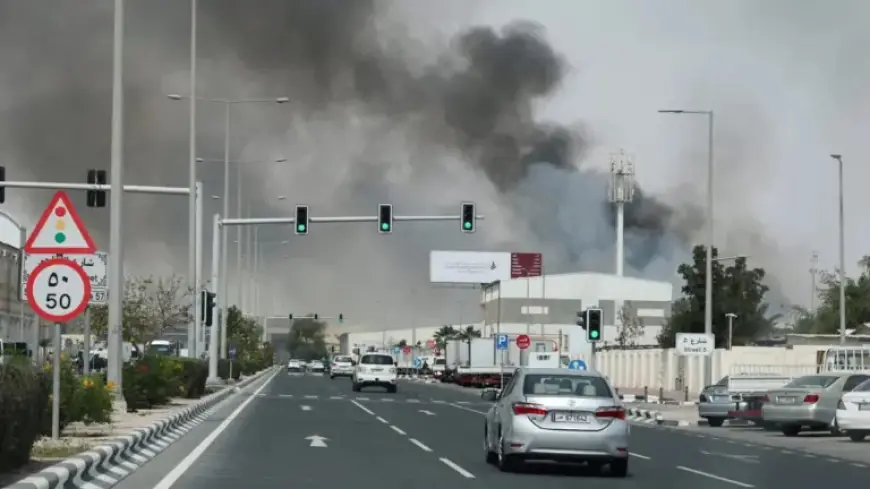
The recent surge of explosions across the Gulf has drawn significant attention, impacting countries like Qatar, the UAE, and Kuwait. Following a drone strike near the US consulate in Dubai, authorities reported that a fire was quickly controlled, and no injuries occurred. This incident has been linked to broader regional tensions involving Iran.
Explosions Resonate Across Gulf Countries
On Tuesday, explosions were reported in several locations across the Gulf, including Kuwait and the Emirati cities of Dubai and Abu Dhabi, as well as Qatar’s capital, Doha. The Islamic Revolutionary Guards of Iran confirmed that these explosions were heard simultaneously.
Drone Strikes and Military Responses
Iraqi authorities reported intercepting a drone that targeted the US consulate in Erbil. The military escalation follows a series of attacks that began with Operation Roaring Lion, where Iran has launched numerous strikes against neighboring Arab nations.
Statistics on Attacks in the UAE
The UAE revealed alarming figures regarding missile and drone attacks since the initiation of hostilities:
- 174 ballistic missiles detected, 161 intercepted.
- 13 missiles fell into the sea.
- 689 Iranian drones monitored, with 645 intercepted.
- 44 drones made landfall in UAE territory.
- 8 cruise missiles found and destroyed.
This violence has resulted in three fatalities and 68 minor injuries within the UAE. Key landmarks such as Dubai International Airport, Burj al Arab, and Palm Jumeirah have also been affected by the conflict.
Resumption of Operations Amid Tension
Following the attack disruptions, DP World confirmed that operations at Jebel Ali port resumed. This resumption highlights an effort to maintain regional commerce amidst ongoing security concerns.
US and Regional Response
In light of the escalating situation, the US embassy in Jordan issued a security alert advising American citizens to shelter in place due to missile threats in Jordanian airspace. This indicates a heightened state of alert in the region as tensions continue to rise.
The ongoing conflict underscores the fragility of security in the Gulf and the implications for neighboring countries. As military actions unfold, the overall stability of the region remains uncertain.