

























Gold Prices Face a Test: Geopolitical Spike Fuels Rally but Durability Is in Doubt

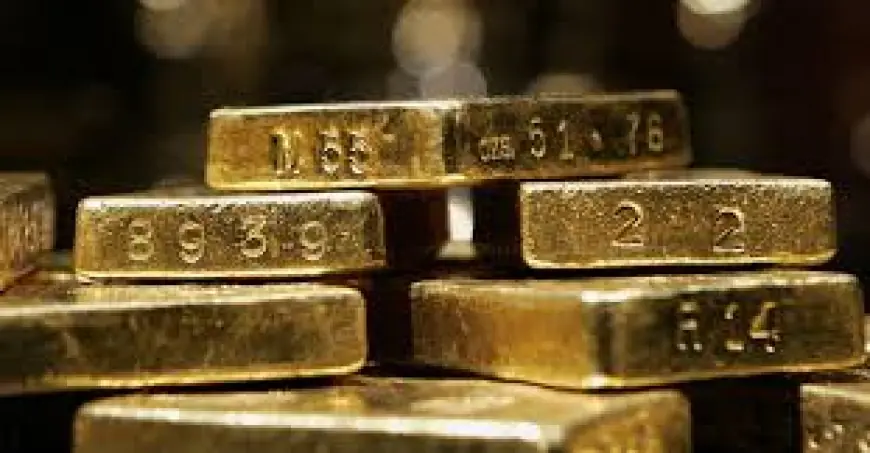
Gold Prices have jumped as conflict-driven demand pushed investors into safe-haven assets, briefly lifting futures to around $5, 400 per ounce. That rally matters because it could accelerate central-bank and investor buying that some forecasters say would drive the metal higher by the end of 2026 — yet the same commentators caution the wartime premium can reverse quickly. Here’s the part that matters for portfolios and policy: the near-term move could be large, but its persistence is uncertain.
Gold Prices — What the near-term change could mean
The immediate consequence of a conflict-driven flight to safety is higher volatility in precious metals. Analysts expect a near-term risk premium that could push prices several percentage points higher, but they also warn those gains can be "sharp but hard to sustain. " That gap between a sudden spike and structural demand is where the market will sort winners from losers.
Key implications for market participants include:
- Portfolio managers may need to balance hedging intentions against the chance of rapid reversals if geopolitical tensions ease or liquidity strains force selling.
- Central-bank buying and longer-term investor demand remain potential supports that could convert a short-term spike into a sustained trend.
- Rising oil-driven inflation pressures could lengthen any rally by highlighting macro risks that favor hard assets.
Market moves and event details behind the surge
Futures for the metal traded as high as about $5, 400 per ounce on the spike. By the same session, prices had pared some gains and were roughly $200 below the all-time high set earlier in January. The rally contributed to a notable year-to-date advance: the metal had posted roughly a 21% gain so far this year, helped by central-bank purchases, lower interest rates, and a softer dollar earlier in the cycle.
Other metals reversed recent gains in the same session: silver dropped about 3% (yet remained up roughly 17% year-to-date), while palladium and platinum also pulled back as the dollar firmed. US equities opened lower on the day, adding pressure across risk assets and reinforcing the safe-haven demand for the metal.
- Price high during session: ~ $5, 400 per ounce.
- Distance from peak: roughly $200 below the all-time high set in January.
- Year-to-date performance: gold about +21%; silver about +17% (despite the intraday pullback).
- Analyst projections: some forecasters see the potential to reach around $6, 300 per ounce by the end of 2026 if structural demand persists.
Here’s the real question now: will this geopolitical premium be a transitory blip or a catalyst for a longer bull run? If the conflict eases or equity-market losses force broad selling to raise cash, gains could easily reverse. Conversely, sustained central-bank buying and persistent macro risks — like rising deficits or higher oil prices — would give the rally staying power.
Micro timeline (for context):
- January: market set an all-time high earlier in the year.
- Most recent months: gold closed out its eighth straight month of gains before the latest spike.
- Near term through 2026: some forecasts project a path toward higher prices if demand from banks and investors continues.
For traders and longer-term holders, consider these confirming signals: sustained central-bank purchases, an extended period of higher oil prices, or persistent weakness in equities that keeps safe-haven flows intact. If those do not materialize, the recent jump may prove temporary.
It’s easy to overlook, but momentum born from geopolitical fear often needs reinforcing structural demand to become a multi-year trend. Short-term strength tells you there’s appetite for safety; only follow-through in demand will tell you whether gold prices have entered a new phase.