
























Risk and Uncertainty Swirl Around Us Consulate Dubai as Missile-Drone Claims and Crash Footage Raise Safety Questions


Here’s the part that matters: recent, still-developing claims about a missile-and-drone attack that a state-run Iranian outlet says struck U. S. Marines — combined with separate footage showing a drone crash into a British man’s apartment — sharpen operational uncertainty for diplomatic posts in the region. The us consulate dubai and other diplomatic sites face elevated risk perceptions even though direct links to either incident are not confirmed.
Us Consulate Dubai exposure framed by unknowns and potential ripple effects
Risk managers at consular posts typically plan for a range of contingencies; when casualty claims and civilian drone incidents surface together, planners must treat both the factual gaps and the perception shifts as immediate challenges. The us consulate dubai, like other missions, will see practical implications in staffing, movement permissions, and advice to visitors until the situation is clearer.
It’s easy to overlook, but these events matter less for the headlines than for how quickly uncertainty forces changes in routine: curfews, restricted travel for staff, or tighter screening for local events can follow even when an incident’s connection to a diplomatic site is unproven.
What is publicly asserted so far and what remains unclear
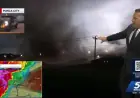
Recent updates indicate a state-run Iranian outlet said a combined missile and drone attack targeted 160 United States Marine Corps personnel; the outlet stated at least 40 were killed and 70 were wounded. The outlet did not provide further details about where the attack occurred or whether U. S. forces were targeted at sea or inside another country. Separately, a short item in recent coverage notes video exists showing damage after a drone crashed into a British man’s apartment; the available context does not include location details for that crash.
Because the casualty claims and the crash footage come from limited streams of information, core facts remain developing. Recent updates also say heavy and destructive fighting between Iran and the United States and Israel is ongoing; how that broader state of conflict intersects with the two specific items above is not established.
- Key practical implications: immediate uncertainty can prompt temporary restrictions on consular services and staff movement.
- Stakeholders affected: diplomatic personnel, visa applicants, expatriate communities, and travelers planning short-notice trips to the region.
- What would lower risk: independent confirmation of incident locations and casualty details; transparent notices from military or diplomatic authorities clarifying whether sites were targeted.
- What would raise risk further: matching timelines or geography linking the casualty claims to civilian areas or critical infrastructure.
Micro timeline (limited details available):
- Early Tuesday — a state-run Iranian outlet described a missile-and-drone attack against U. S. Marine personnel, including cited casualty figures.
- Undated — video circulated showing a drone crashing into a British man’s apartment and visible damage.
- Ongoing — coverage notes heavy and destructive fighting involving Iran, the United States and Israel; specific connections to the above items remain unresolved.
The real question now is how diplomatic missions will calibrate public guidance and operations while facts are still emerging. If you’re wondering why this keeps coming up, remember that even unconfirmed claims can force immediate, precautionary changes in security posture.
Short forward signals that could clarify the picture: independent verification of the claimed attack’s location, casualty confirmations from multiple parties, or official statements clarifying whether any diplomatic facilities were involved. Until such confirmations appear, the situation should be treated as developing and subject to revision.