
























Xom Stock Advances as Middle East Tensions and Iran War Supply Risks Shake Energy Markets

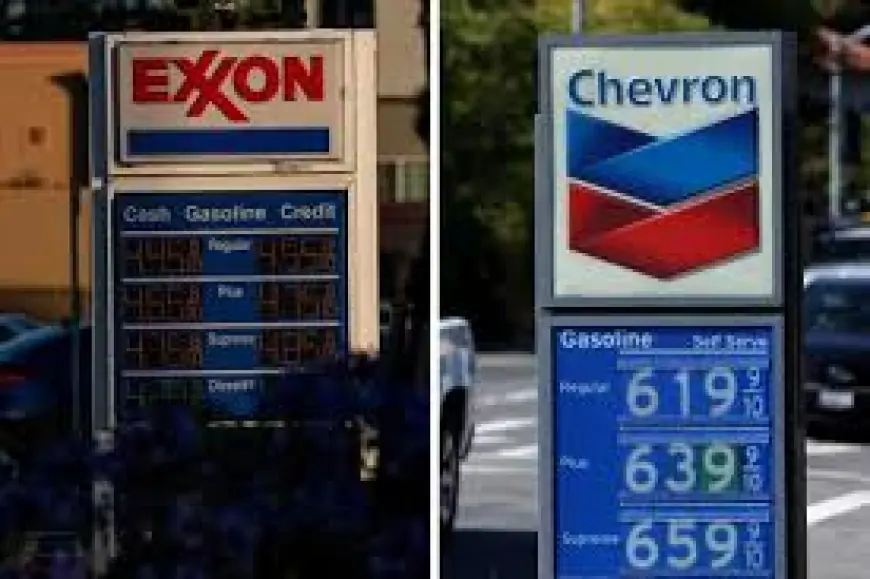
ExxonMobil's shares climbed alongside Chevron as rising tensions in the Middle East altered investor appetite for energy names, and analysts flagged that the Iran war places output at risk for major producers. The move kept xom stock in focus, with market participants weighing near-term supply concerns against the prospect of further gains.
Xom Stock Gains Linked to Middle East Tensions
Trading activity showed a clear uplift in energy equities when geopolitical strains in the Middle East intensified, prompting buying in Exxon and Chevron. Market commentary noted that ExxonMobil Group stock bumped higher today as investors repositioned toward companies seen as beneficiaries of a tightening supply backdrop.
The cause-and-effect was straightforward: heightened regional tensions increased the perceived probability of supply disruption, and that perception translated into rising share prices for large integrated oil companies. What makes this notable is the immediacy of the market response—prices moved the same day the geopolitical friction escalated, reflecting traders’ sensitivity to near-term supply risk.
Exxon, TotalEnergies Output at Risk from Iran War, Analysts Say
Analysts warned that the ongoing Iran war could put output at risk for producers including Exxon and TotalEnergies. The assessment centers on the prospect that military conflict in or around critical production and shipping areas would curb crude flows and refine operations, creating a tangible threat to output.
That threat is the likely mechanism lifting shares: if output is curtailed, tighter physical supply can push benchmarks and refining margins higher, which in turn can strengthen the financial outlook for oil majors and buoy xom stock further. The analytical view ties the security situation directly to corporate revenue exposure through disrupted production and distribution channels.
Investors are parsing two measurable impacts: immediate share-price appreciation in response to headline risk, and the longer-run earnings sensitivity should output interruptions persist. Analysts’ risk assessments emphasize the latter as the channel by which geopolitical developments could justify higher valuations for major integrated companies.
At the same time, traders are balancing these upward pressures against other market forces. The present move reflects a recalibration of probabilities rather than a definitive change to production figures—stock gains represent market expectation shifts rather than confirmed output shortfalls.
Market Implications for Exxon and Chevron
The visible effect on Exxon and Chevron was an uptick in demand for their shares amid the regional tensions. That response underscores how geopolitics can quickly reprice risk premia in energy equities: an escalation in conflict leads to a reassessment of potential supply constraints, which then drives buying interest in large producers perceived as positioned to benefit financially.
Analysts’ commentary that output at risk could amplify this dynamic provides a clear causal pathway from the Iran war to equity performance. If actual disruptions were to materialize, the market would likely factor in higher near-term revenues for integrated producers; absent physical disruptions, prices and shares may remain volatile as investors reassess probabilities.
For now, the combination of immediate stock gains and warnings about possible production impacts has placed ExxonMobil and peers at the center of investor attention. The timing matters because market reactions can pre-empt measurable changes to supply, pricing shares on anticipated rather than realized outcomes—keeping xom stock sensitive to any new developments in the region.
Investors will be watching both headlines and operational reports for confirmation of any supply interruption, while analysts continue to map how sustained conflict could alter production trajectories for major oil companies.