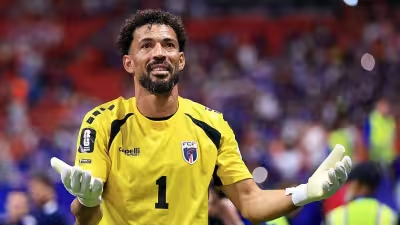
France begins its FIFA World Cup 2026 campaign on Tuesday at MetLife Stadium in New Jersey against Senegal, and one clear absence has already been decided: Antoine Griezmann will not feature after announcing his retirement from international football in September 2024.
Griezmann leaves a sizeable hole on paper. The 35-year-old finished his France career with 137 appearances and 44 goals, and Euro 2024 was his final tournament for the national side. Losing a player with that record strips an established attacking option from a team about to kick off a major championship.

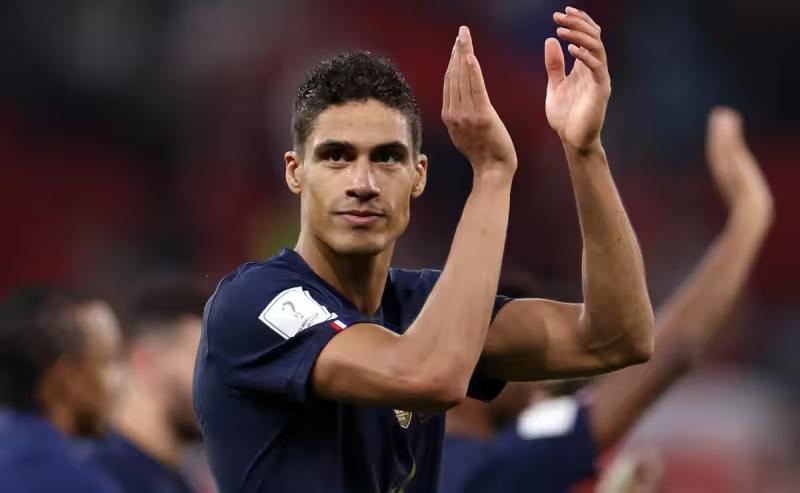
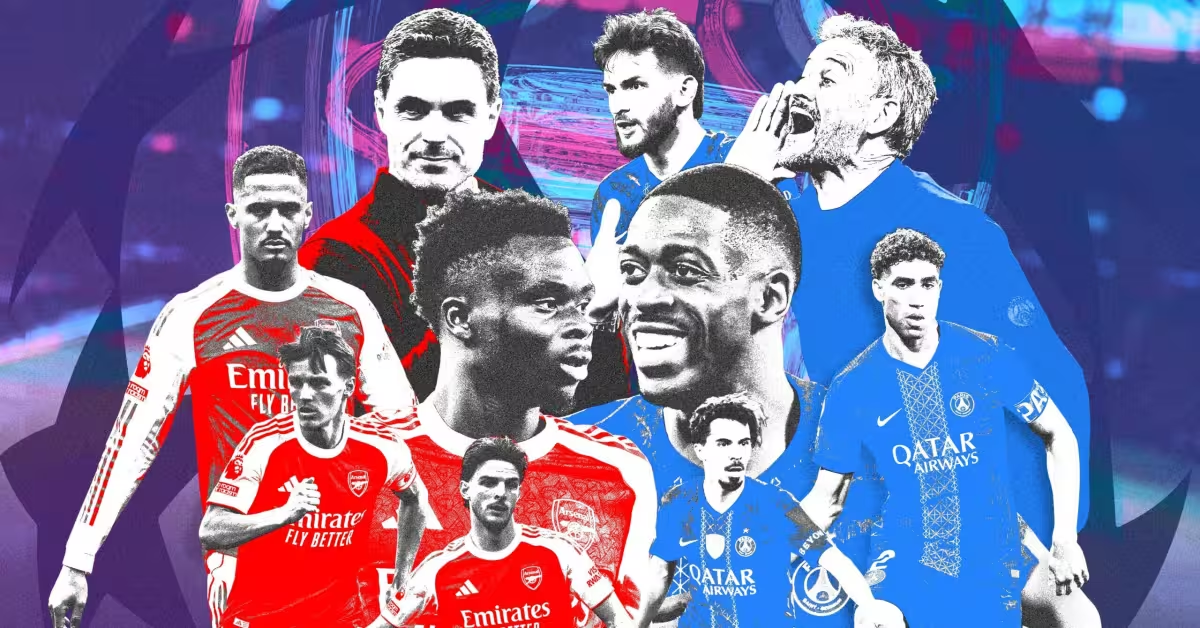
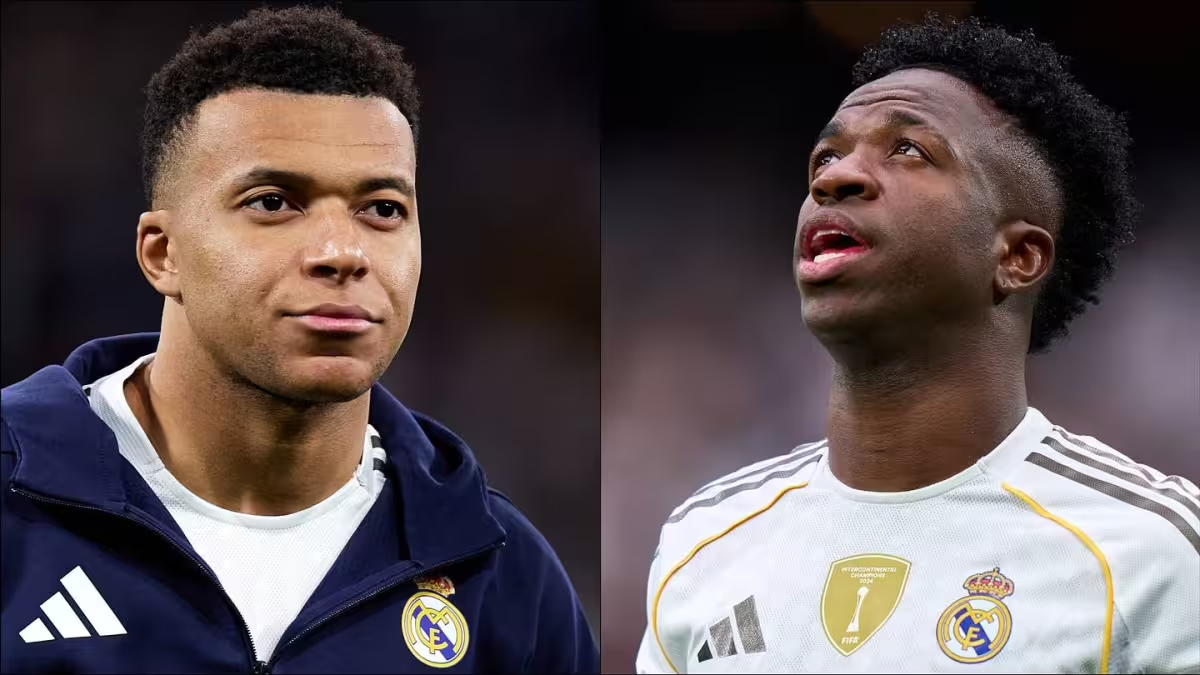
Still, France enters the match with a potent forward group. Kylian Mbappe, Ousmane Dembele, Michael Olise and Desire Doue are available to lead the attack, and the squad conceded only four goals during qualifying — a defensive figure that underlines why the team is still considered a top contender despite Griezmann’s absence. The missing veteran sits alongside another notable exit: Raphael Varane stepped away from international soccer in February 2023 and retired from the professional game in September 2024 at age 31, closing a chapter for the side that won the 2018 World Cup.
The friction is straightforward. France is widely viewed as among the strongest teams in the tournament even though it goes to the opening match without one of its long-standing forwards. What is not resolved by the retirement announcement is why Griezmann chose to stop playing for France — whether injury, selection or a private decision shaped that outcome is not explained beyond his September 2024 statement. That gap matters because it frames how the squad replaces not just goals but experience and leadership.
Practical details for the opener are simple: kickoff is Tuesday at MetLife Stadium, New Jersey, and France will follow the Senegal match with Group I games against Iraq and Norway. For viewers and analysts the immediate questions are tactical. Will Mbappe carry the creative and goalscoring burden alone or will Dembele, Olise and Doue share the load? Can the defense sustain the low goals-against form it showed in qualifying now that other long-serving figures who formed the team’s backbone for more than a decade are gone?
What to watch as the match begins: France’s attacking balance and whether the younger forwards can supply the finish that often arrived from Griezmann in previous tournaments, and the way the back line compensates for the broader generational shift exemplified by the exits of Varane and other veterans. The most consequential unanswered question after kickoff is clear — can France’s younger core replace the experience and consistency lost with Griezmann’s retirement over the course of a World Cup campaign that still includes Iraq and Norway in Group I?