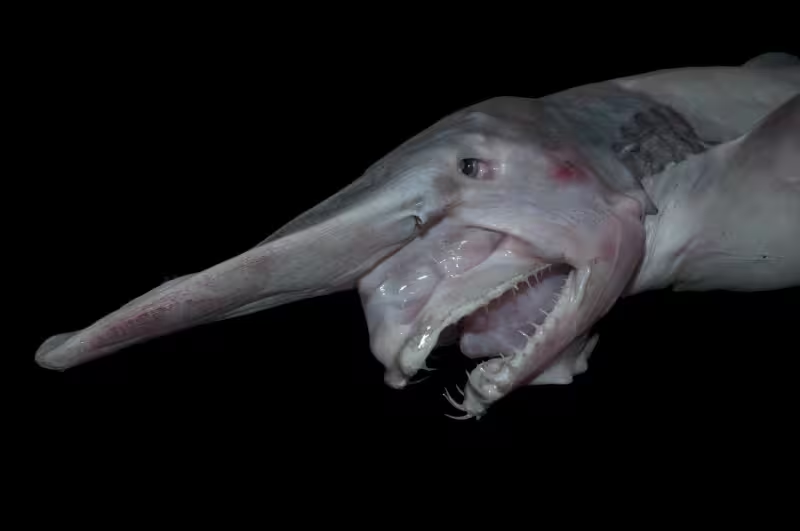
Scientists have filmed a goblin shark alive in its deep-sea habitat for the first time, capturing rare footage from the central Pacific and the Tonga Trench that adds fresh detail to one of the ocean’s least understood predators.
The sightings were described in a study published May 19 in the Journal of Fish Biology. In July 2019, a remotely operated underwater vehicle near Jarvis Island recorded an 11-foot-long male goblin shark at roughly 4,000 feet below the surface. The shark was estimated to be more than 50 years old based on its size. In August 2024, another team using baited cameras in the Tonga Trench filmed a different goblin shark around 6,550 feet deep; it did not come to the bait, but it swam past long enough for researchers to get a clear look.

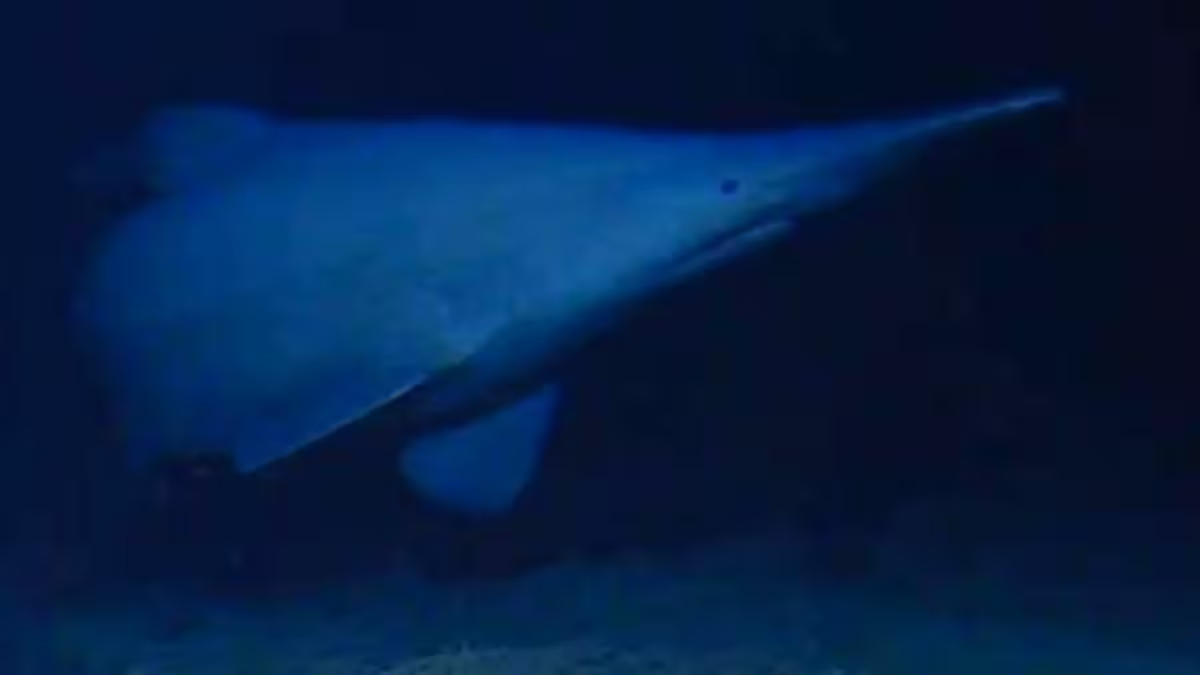
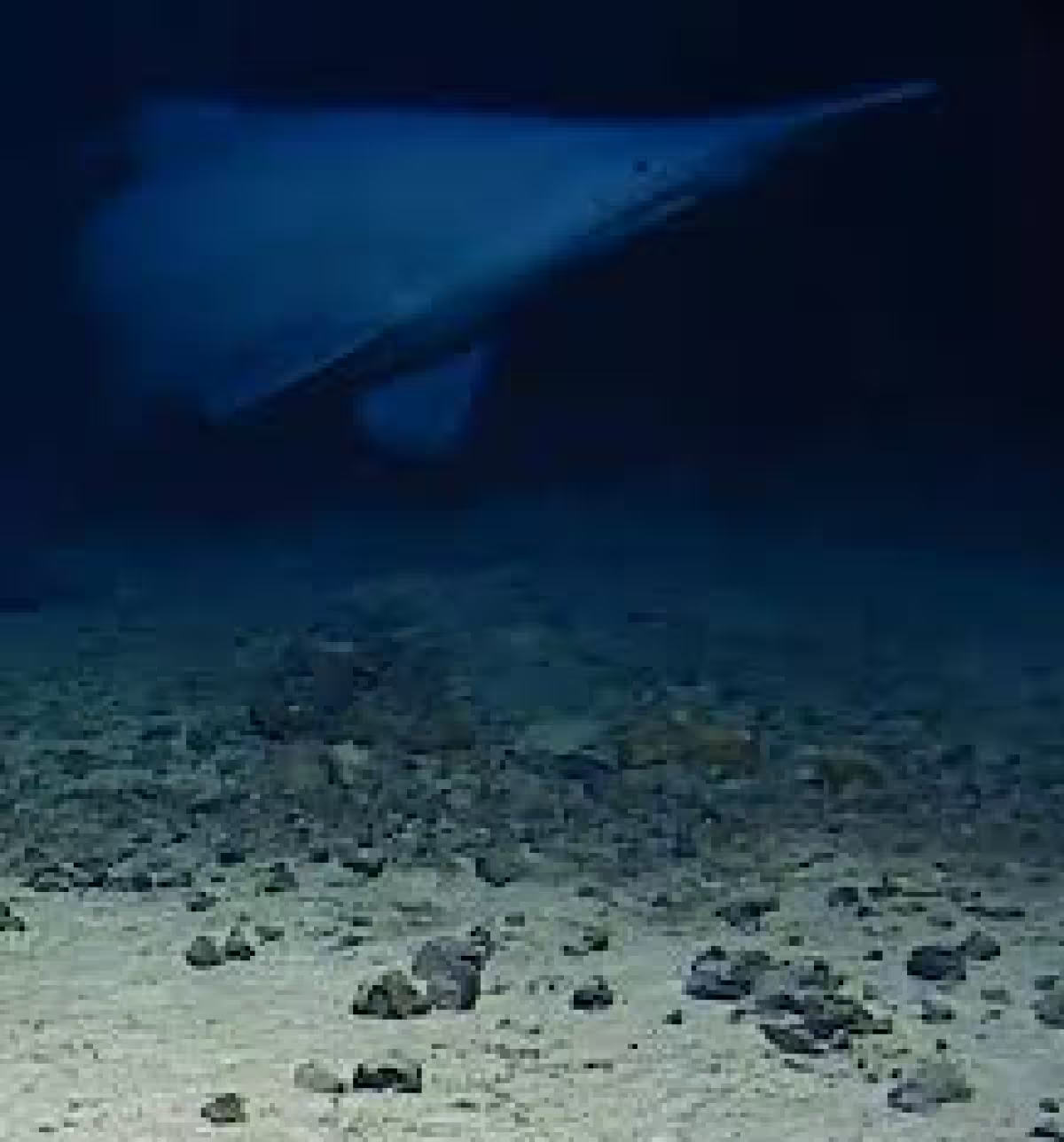
For scientists who study deep-sea sharks, the footage matters because most live observations before these dives came from animals accidentally hauled in on fishing lines. Until now, the species had been documented only along the western coast of the United States, in the Gulf of Mexico, off southwest Australia, near Japan and near New Zealand. The new observations extend its known depth range by nearly 2,300 feet and widen its geographic range by thousands of miles, strengthening the idea that goblin sharks may belong to a single global population.
That broader picture still rests on very little direct evidence. Goblin sharks can grow to 20 feet long, have pinkish-gray skin, soft bodies and comically long snouts, and they hunt by shooting their jaws forward. Yet scientists say they still know virtually nothing about how many live in the Pacific or how they use these deep-water habitats. Aaron Judah described seeing the shark alive and healthy in its natural habitat as a unique honor, but the new footage also underlines how much of the animal’s life remains hidden in the dark.
The live sightings do not close the book on goblin sharks. They open a better one, with the next chapter likely to depend on whether researchers can keep finding them in the deep and start answering the basic questions that have shadowed the species for decades.