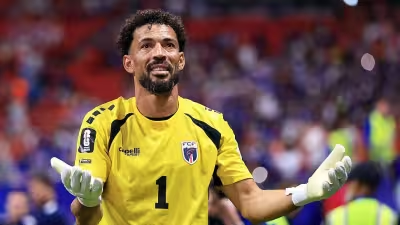
The Oklahoma City Thunder head into the offseason confronted with a single, urgent task: fix Chet Holmgren’s mentality after he looked like a shell of himself in the Western Conference finals and offered little offensive help when the series mattered most.
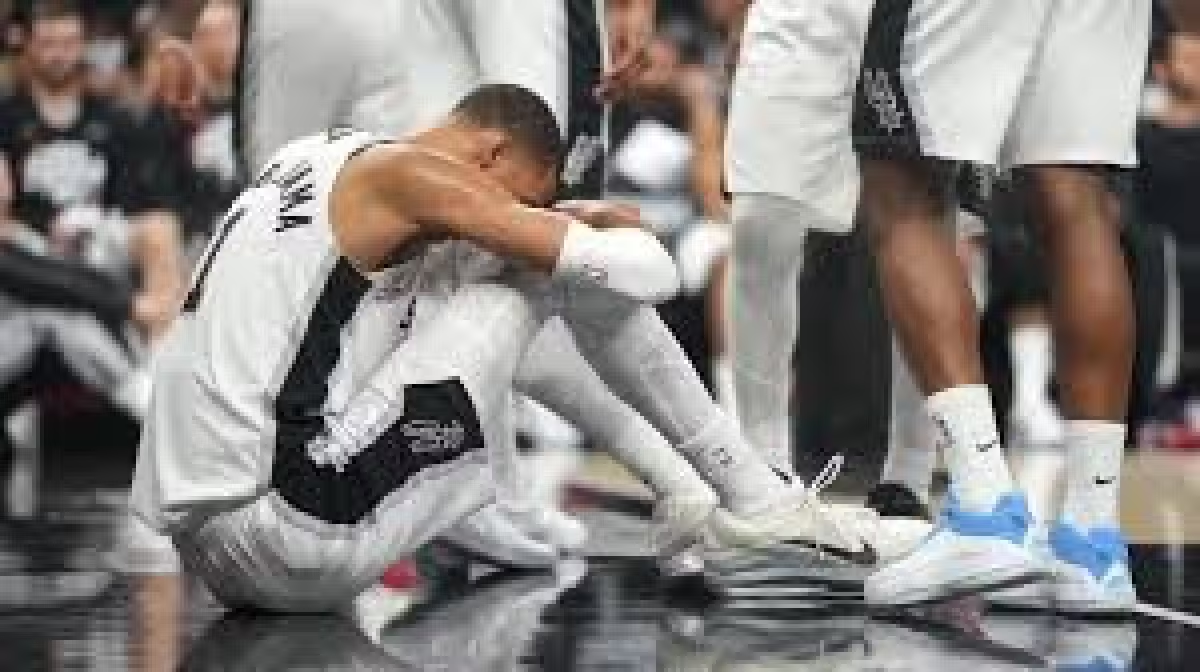
Holmgren was on the floor, healthy and active every night, but not effective. He frequently appeared to have been taken out of the Thunder’s offense; possessions that should have featured him as a reliable rim threat or floor spacer instead ended with Holmgren losing the ball or falling to the floor whenever he squared off with Victor Wembanyama. Those moments were not isolated — any time he stared down Wembanyama with the ball in his hands, the result was costly.

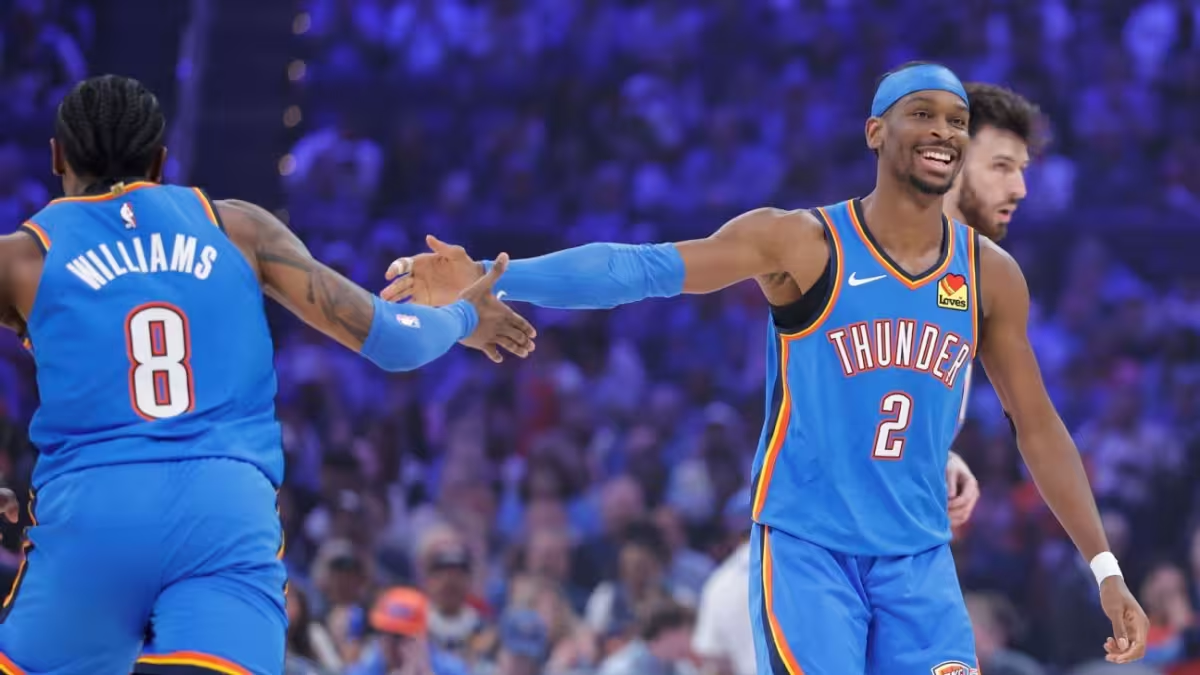
The cost landed squarely on Shai Gilgeous-Alexander. SGA cannot afford for Holmgren to be hesitant with the ball in his hands, and the postseries read is blunt: the Thunder need to work with Holmgren this summer to ensure he will never be mentally taken out of a series again. With Jalen Williams and Ajay Mitchell sidelined during the finals, Holmgren’s shortfalls amplified the pressure on Oklahoma City’s primary playmaker and exposed a frontcourt vulnerability the roster can ill afford in future playoff runs.
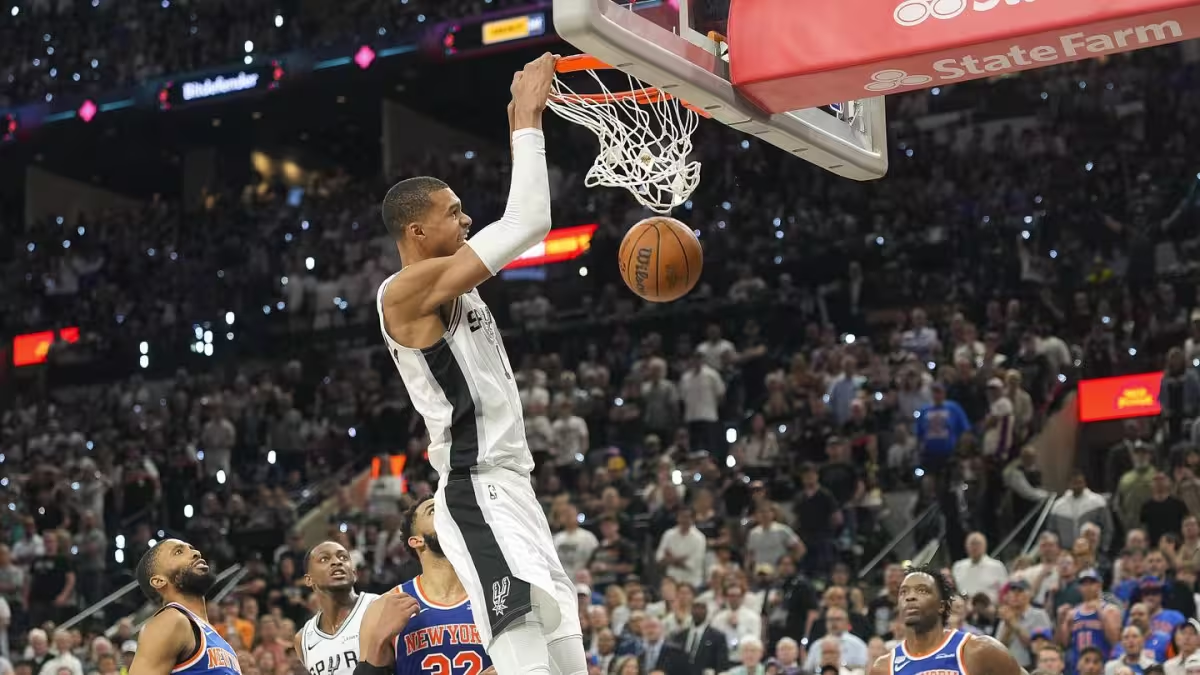
That makes the diagnosis immediate and narrow. This is not a matter of rehabbing an injury — Holmgren was healthy throughout the series — and it is not a late-season slump to be wished away. The problem was psychological and tactical: he remained on the court and active, but he was not the effective piece the Thunder expected in high-leverage moments. Opposing matchups, specifically against Wembanyama, clearly changed the way Holmgren played and, crucially, the way he was deployed.
The decisive metric for Oklahoma City now is clarity about his readiness under postseason pressure. The Thunder must test Holmgren’s mentality rather than assume it will fix itself. That means turning the offseason into a deliberate program of exposure to aggression, decision-making under duress, and situational rehearsals designed to break the pattern that left him out of the offense in the finals. Until Holmgren demonstrates the ability to absorb and then shrug off those matchups, the team’s championship window narrows because SGA and the rest of the rotation cannot carry an unreliable interior option in the playoffs.
The friction is stark: being physically available did not equate to being mentally available. Holmgren’s presence on the floor created fewer options than his box score suggested, and the visual of him repeatedly losing the ball or collapsing when confronted by Wembanyama will define how opponents plan for Oklahoma City next season unless the Thunder change the narrative this summer. Framing Holmgren’s struggles as a purely physical issue misses the essential point — the on-court evidence points to a mental shutdown against a single matchup that should have tested, not broken, him.
What happens next will shape the Thunder’s trajectory more than any draft pick or roster tweak. The team has to translate the blunt takeaway — that Holmgren needs mental work — into a concrete offseason regimen and then publish results early enough in training camp to erase lingering doubts. Until the organization lays out how it will test and rebuild his mental resilience, the biggest unanswered question for Oklahoma City is whether its second-year big man will return in playoff form or remain a talented but brittle piece that opponents can neutralize when it matters most.