




When Víctor Muñoz agreed to join Osasuna in July 2025 for a five‑year deal that cost the club €5 million for 50% of his rights, the 22‑year‑old winger changed the frame around his career overnight: from a Castilla hopeful to a player now mentioned in Spain’s 2026 World Cup conversation.
The transformation is visible in statistics and action. An extreme left‑footed attacker who favors receiving wide and attacking the space behind defenses, Muñoz scored 10 goals for RSC Internacional FC in the 2022‑23 season and earned his first LaLiga minutes for Real Madrid in the Clásico on 11 May 2025. More than 40% of his receptions in space come in the left channel of the final third — the sort of pattern that attracts national‑team planners looking for a different profile on the flank.

Osasuna’s investment and the timing of his move are the concrete reasons the conversation has accelerated. A five‑year contract signed in July 2025 moved him out of Real Madrid’s immediate depth chart and into a club where regular minutes are realistic; the transfer fee and the shared‑rights structure underline that Osasuna see him as a multi‑season project with immediate upside.
Muñoz’s path is short but layered: San Gabriel (2012–14), Barcelona’s youth system (2014–17), CF Damm (2017–21), a 2021 switch to Real Madrid, a productive spell with RSC Internacional FC in 2022–23, time with Castilla in Primera Federación and a first‑team debut for Real Madrid in May 2025. He now lives in Pamplona with his girlfriend, and his family has been openly supportive as his profile rises.
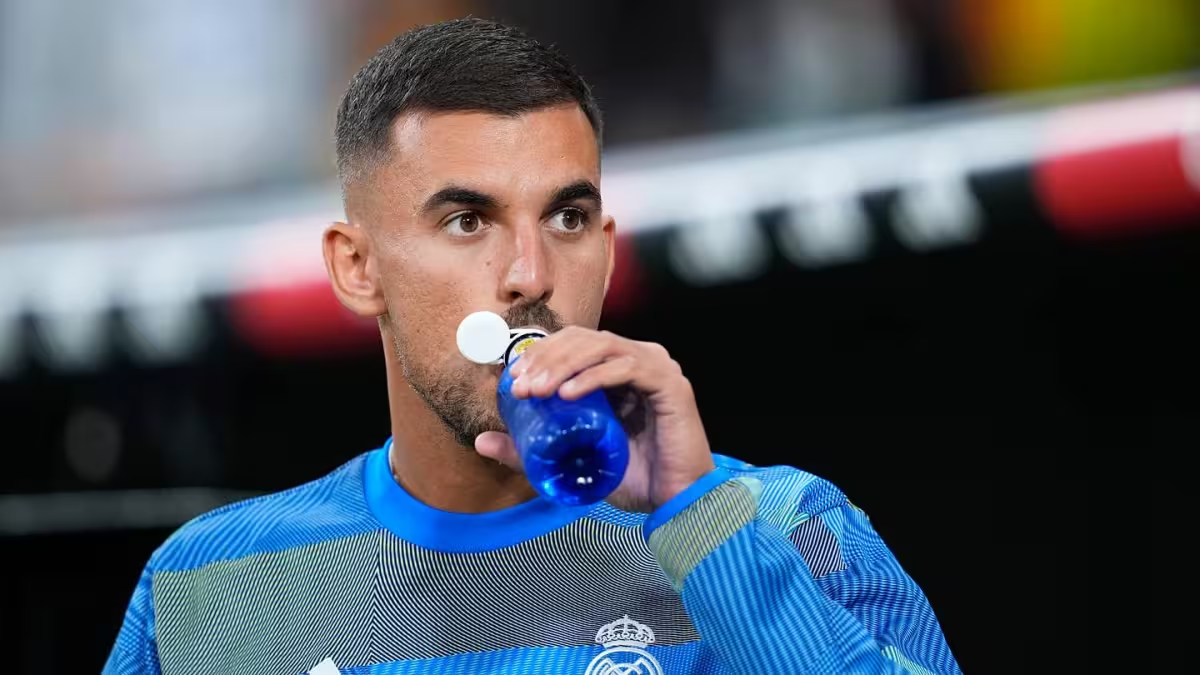
Family comments have accompanied the rise. Nuria Villanueva praised Muñoz’s discipline and sacrifices, saying he has given up a lot and worked very hard to reach this point, that he is “very focused, very healthy,” and that the family plans to travel to the World Cup to support him. She described him as tremendously excited and determined to take the opportunity as far as it will go.
The complication is immediate and practical. While people in football circles now sketch Muñoz as a possible revelation for Spain at the 2026 World Cup, he is not yet the clear first choice on the left wing and has been entering training with some caution because of a lingering injury. Club reports say he has been training with the group in the last sessions, but minutes and full fitness remain the decisive variables.
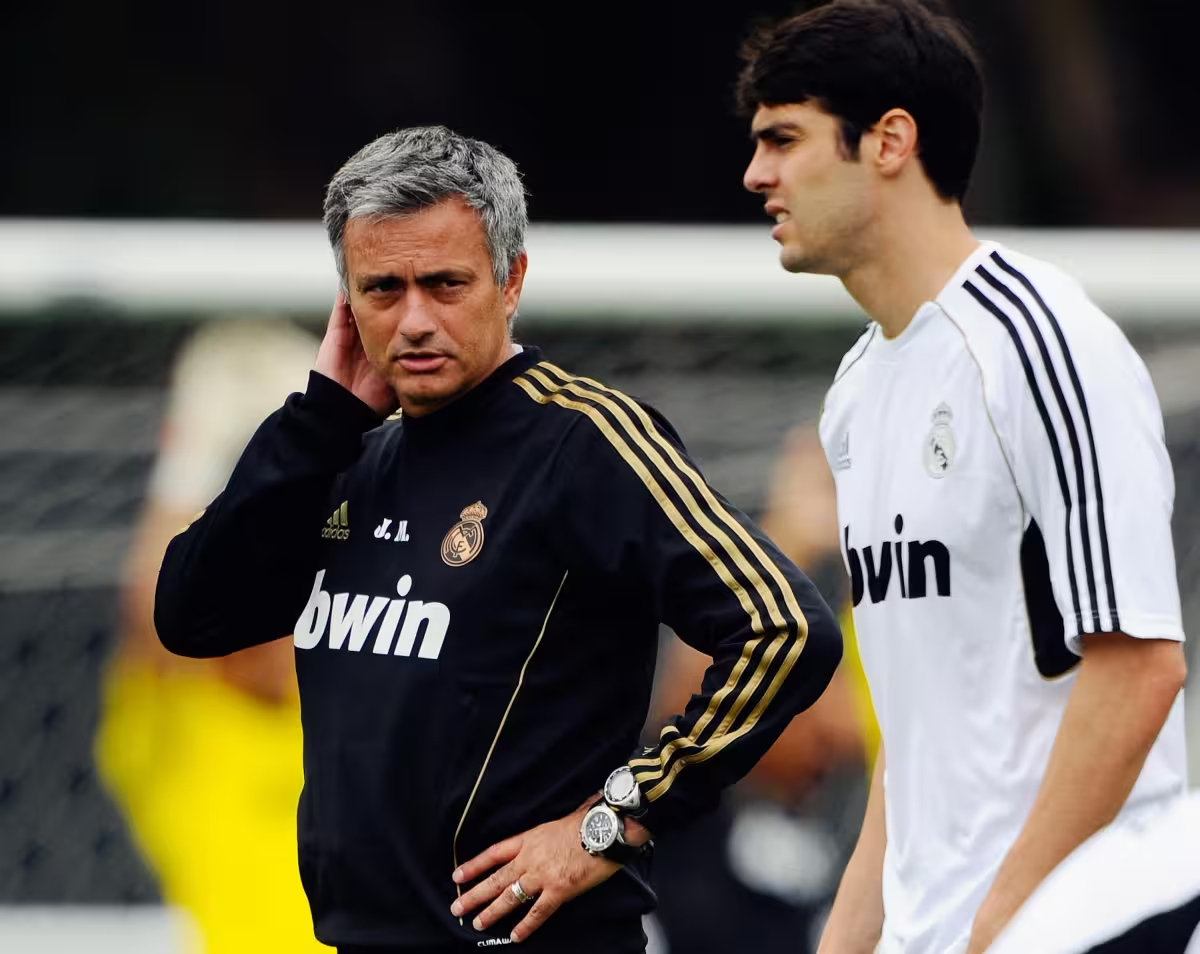
That delicate balancing act fuels two rival storylines. One, internal to Spain’s staff, asks whether a 22‑year‑old with Muñoz’s movement profile can unseat established options and arrive at the tournament as a fresh, explosive alternative. The other, external, imagines a Premier League future: people in the game believe he may try his luck in England while Osasuna would prefer to keep him, and Real Madrid continues to monitor him for a potential role in José Mourinho’s squad.
The immediate next act is straightforward: convert training sessions into uninterrupted match minutes and keep the injury at bay. If Muñoz does that, his mix of left‑channel receptions, directness, and the platform at Osasuna will force selectors and suitors to decide. If he cannot, he risks remaining a promising name rather than becoming Spain’s late tournament revelation.
For now, the answer is still in motion. Muñoz has engineered a rapid rise from youth football into a high‑stakes transfer and international murmurings; whether he arrives in 2026 as the tournament’s surprise or as a young talent courted across Europe will depend on fitness, form and the choices by Spain and clubs over the coming months.



