



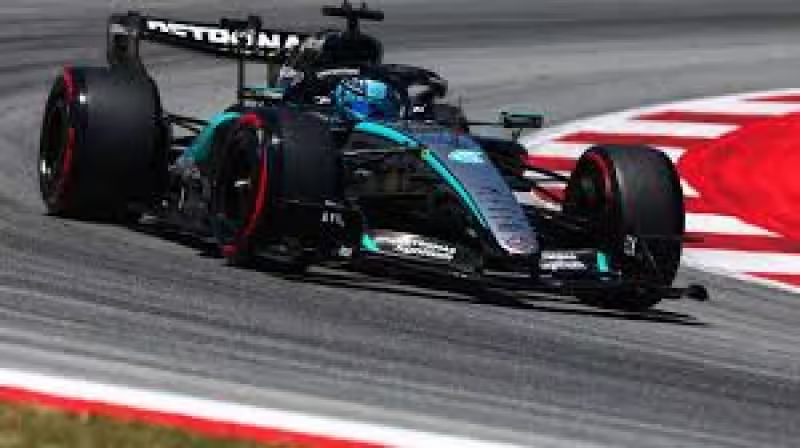
Lewis Hamilton took and held the lead in the F1 Barcelona 2026 race after a Virtual Safety Car with three laps remaining boosted his advantage by about 12 seconds.
The VSC came late enough to reshuffle running gaps rather than the order; Hamilton emerged with a cushion that team radio described as roughly 12 seconds at one point. He had been given clear instructions to keep pushing and — crucially for the outcome — was expected to pit again in seven laps, leaving the question of whether he could finish without another stop open.

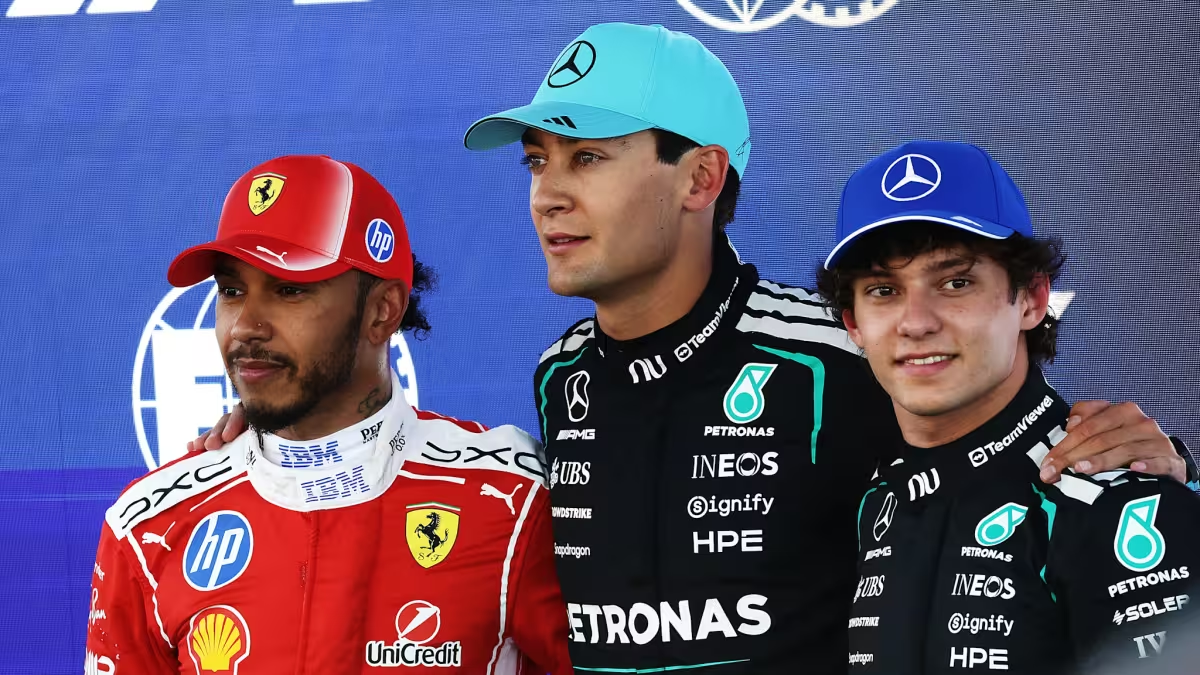
Behind him the battle for second and third tightened into the closing laps. George Russell was the immediate threat, at one point 7 seconds adrift of Hamilton and later more than 4 seconds behind, while Kimi Antonelli occupied third on track with Russell just 0.5 seconds behind him. Antonelli had pitted earlier, rejoined ahead of Lando Norris and passed his own teammate during the race to secure the position on track.
That provisional podium is under a single acute cloud: McLaren says it has images showing Antonelli exceeded track limits more than three times and should receive a five‑second penalty. If imposed, a five‑second addition would likely reshape the podium and hand places to those directly behind him — a penalty adjudication that remains unresolved as the laps wind down.
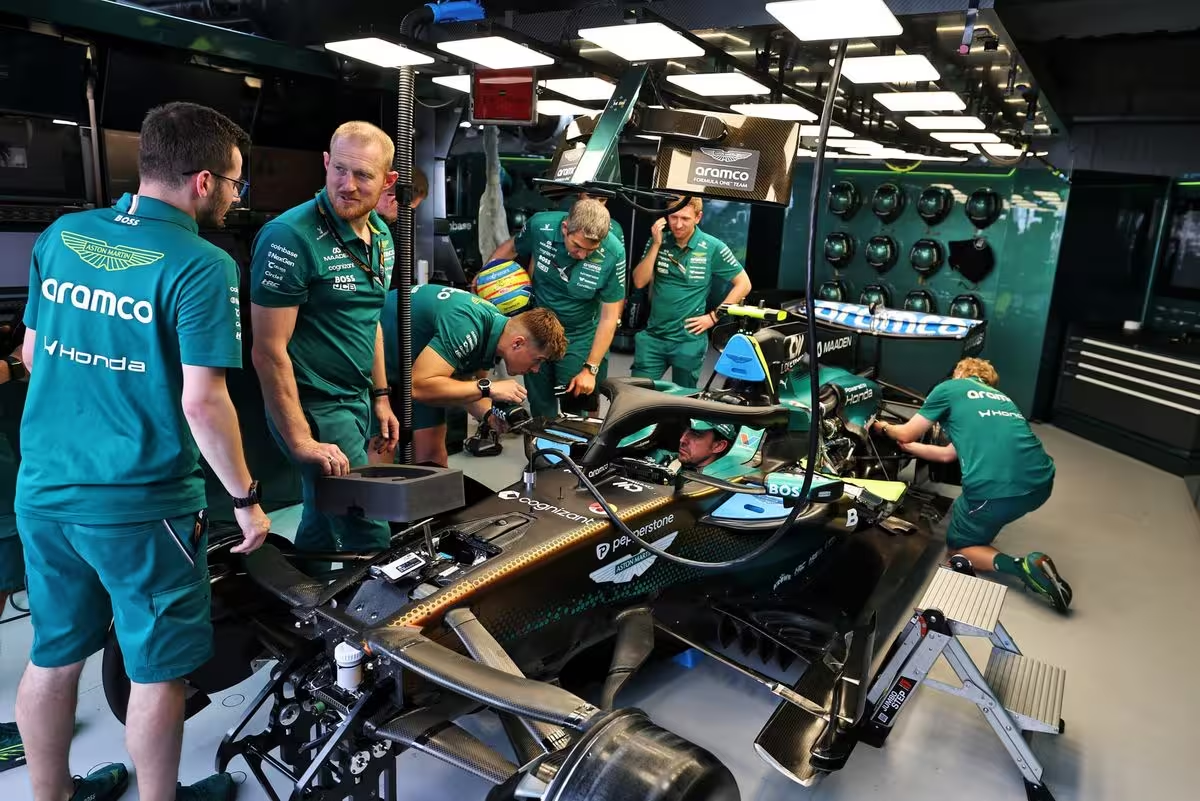
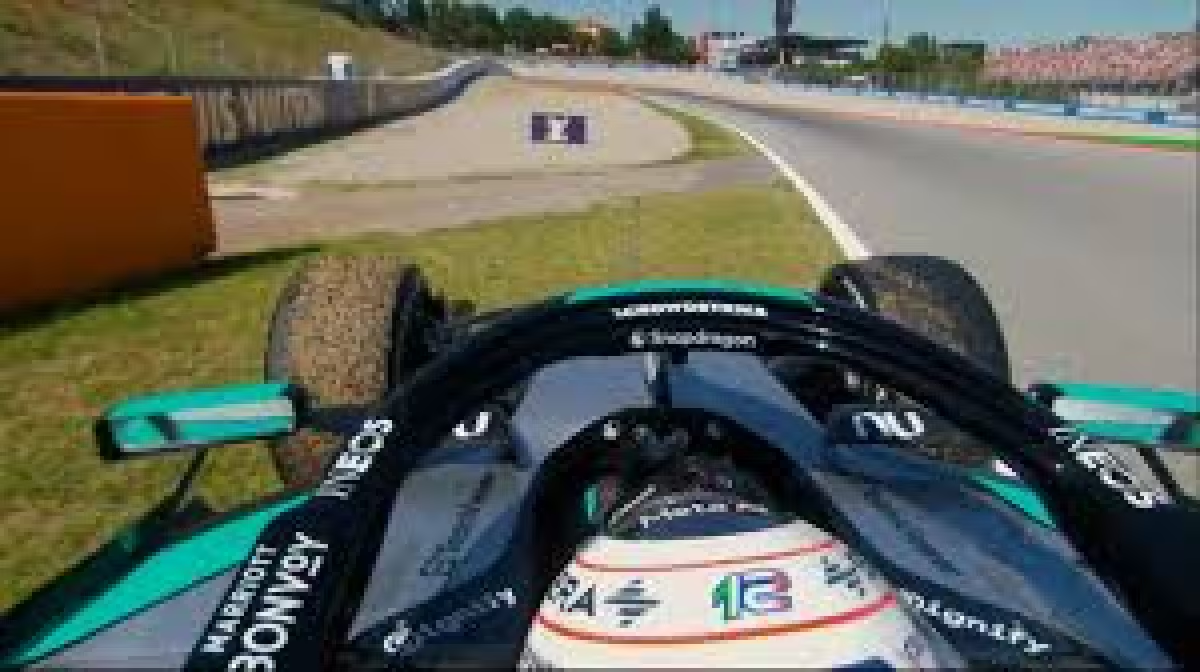
Late retirements also altered the complexion of the race. Fernando Alonso left the track with battery problems and Lance Stroll stopped with a gearbox issue before the VSC; Charles Leclerc suffered a second consecutive retirement. Those exits promoted others through the order: Carlos Sainz moved up to 12th after a double retirement earlier in the race, Albon rejoined having lost eight laps, and Alpine found itself on course to score points with both cars.
The Virtual Safety Car’s timing is the decisive metric here. Deployed with three laps remaining, it compressed gaps and effectively handed Hamilton the breathing room his strategy needed; the net effect was the roughly 12‑second advantage noted by teams and engineers. That margin buys Hamilton time but it does not guarantee the finish — his team’s plan for another stop in seven laps creates a strategic hinge the rest of the field can exploit.
For the chasing pack the twin uncertainties are clear. If Antonelli escapes a penalty, his pace and tactical calls could hold Russell and others at bay; if the stewards apply McLaren’s requested five seconds, the on‑track order will look different on paper. At the same time, Hamilton’s potential pit visit would invite an attack from whoever is closest when he slows, with tyre windows and remaining laps determining whether any challenger can convert the opportunity.
The friction between raw track order and post‑race adjudication is the tightest thread left in Barcelona. A Virtual Safety Car delivered the immediate advantage; a possible five‑second punishment and a scheduled pit stop are the two factors that can still undo it. The next decisive moments are straightforward: will Hamilton stop in seven laps, and will race control credit McLaren’s claim against Antonelli? One of those actions will decide whether Hamilton’s VSC‑boosted lead becomes a victory or a temporary illusion.



