



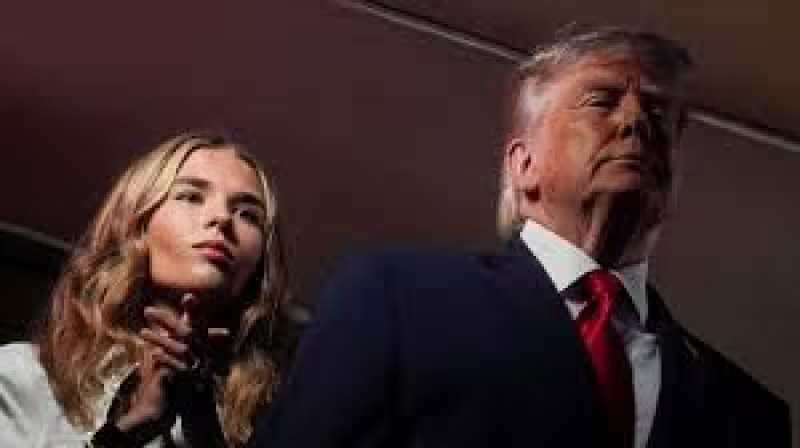
Nineteen‑year‑old Kai Trump posted a behind‑the‑scenes YouTube video on June 10 and an Instagram clip of herself with her grandfather from Madison Square Garden, thanking the 15 Seconds of Fame mobile app and writing that she was "capturing this special moment with my Grandpa." The short posts have become the freshest public glimpse into President Donald Trump’s attendance at Game 3 of the NBA Finals on June 8 — and the center of a new online argument over what fans actually heard that night.
The footage alternates between quiet, private moments — the president standing stoically as a laser light show swept the arena and talking with other guests — and briefer, louder frames from inside the bowl, including the pre‑tip chant of "USA." It arrived after a Game 3 loss for the Knicks and amid a late series swing that saw the franchise win the next night to move into a 3‑1 lead. The visit also touched off a viral back‑and‑forth between the president and an outspoken commentator who criticized his presence; the president answered those remarks directly.

For the team and its fans the visit mattered because it marked the Knicks’ first NBA Finals game at Madison Square Garden this century — a civic moment made more complicated by camera angles and crowd noise. Kai’s posts are short and personal: a close shot with her grandfather in the stands and a thank‑you to the app that recorded it. For viewers, the clip did what brief social video always does now — it supplied a concrete image that people could use to argue a broader story about politics, sport and spectacle.
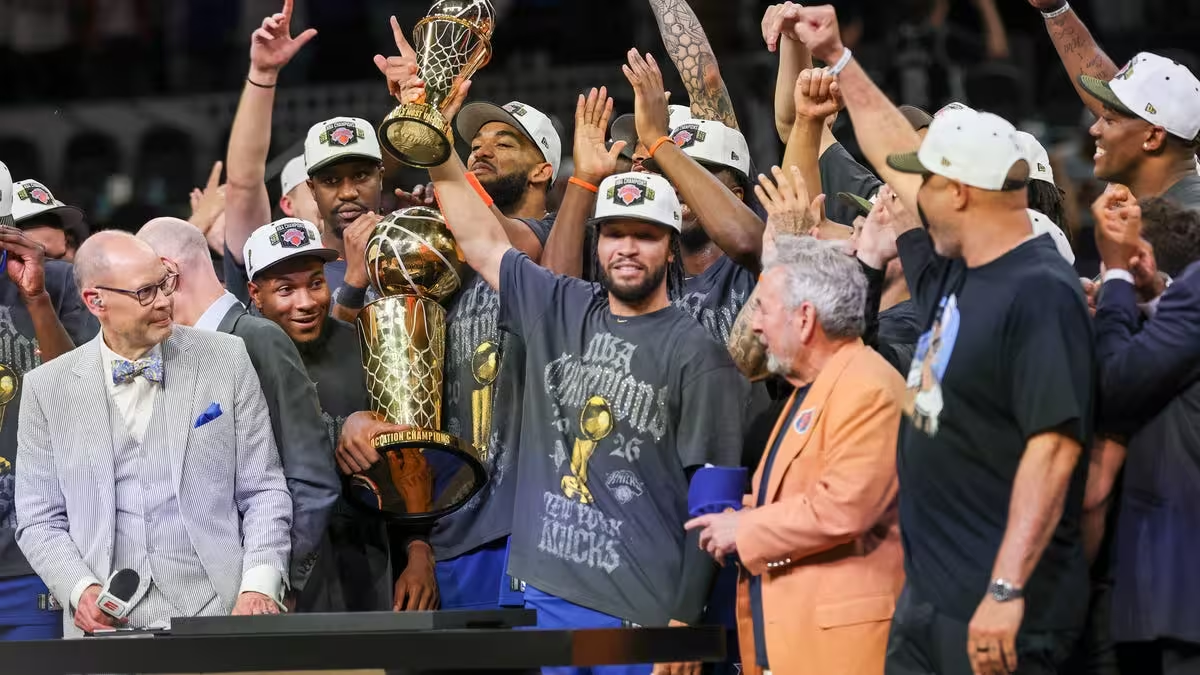
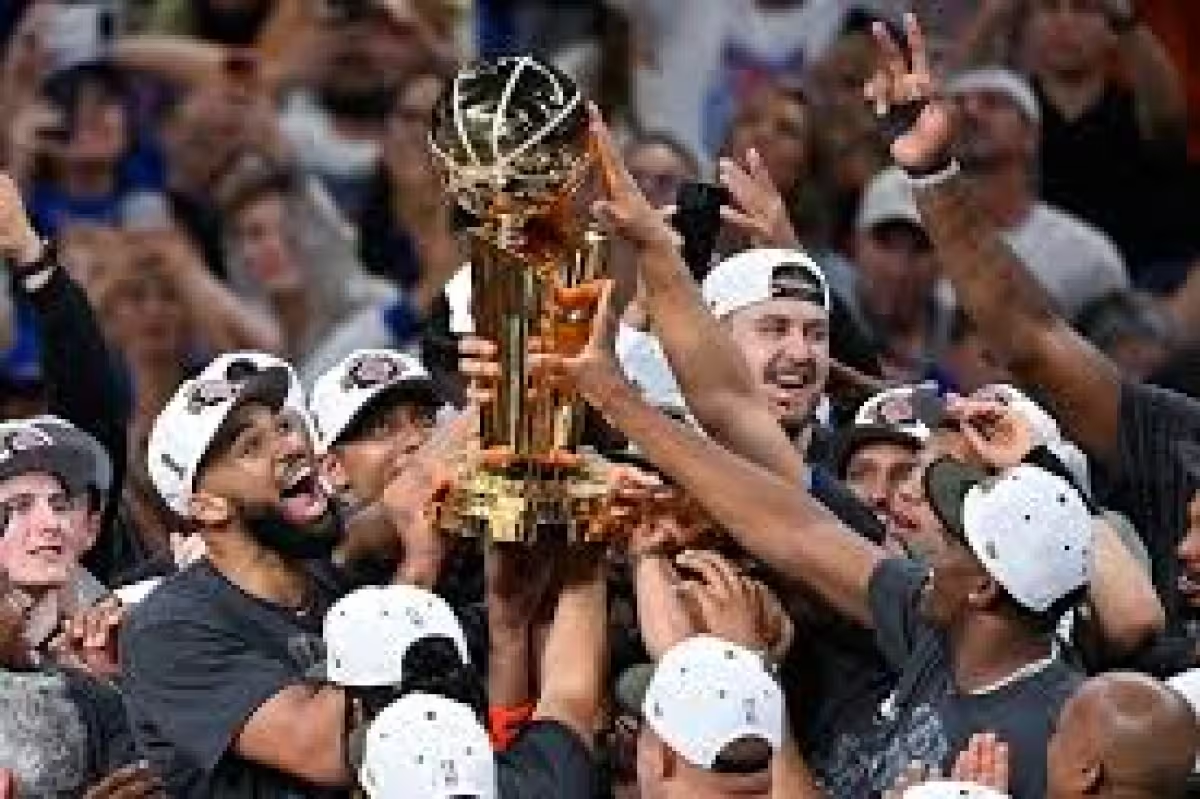
That broader story contains the friction. The president told reporters the reception was "mostly cheers," adding: "It was certainly amazing. It was, I think, mostly cheers. It was loud, and it was very enthusiastic." Critics pushed back online, saying the Jumbotron appearance drew raucous boos and that the version of Kai Trump’s Instagram clip replaced or altered the arena audio — a claim that has not been resolved. Whether the YouTube behind‑the‑scenes cut she posted or the Instagram clip was edited to change the sound remains an open question; Kai Trump has not said she altered the audio, and neither has any independent audit been published.
Players and league officials have also reacted to the optics. Spurs guard De'Aaron said the president’s presence "just makes it inconvenient for everybody else," adding: "We're getting screened like it's TSA. It's a little inconvenient for the people that's got to play, but it is what it is." The league commissioner pushed toward a different framing, saying, "We can emphasize what we have in common, not what pulls us apart," and adding that he was pleased to see another New Yorker take part in the public enthusiasm around the team.
Where the story moves next is twofold: on the court and off it. The Knicks were in position to close out the series on Saturday night after their rebound win, and media outlets reported that scheduling conflicts and other obligations made it unlikely the president would attend Game 4. Off the court, the unanswered technical question — who, if anyone, altered the audio on the Instagram clip and why — now shapes how people remember the visit more than the brief handshake photos do.
Kai Trump’s posts fixed a private family moment into public view and, in doing so, forced a narrower contest: whether the scene at Madison Square Garden sounded like welcoming cheers or loud derision. The next public test will be the court — the Knicks can finish the job — but the fuller record of that night’s reaction will only be settled if Kai or others release unedited source material or an independent review clarifies what listeners on the arena floor actually heard.



