



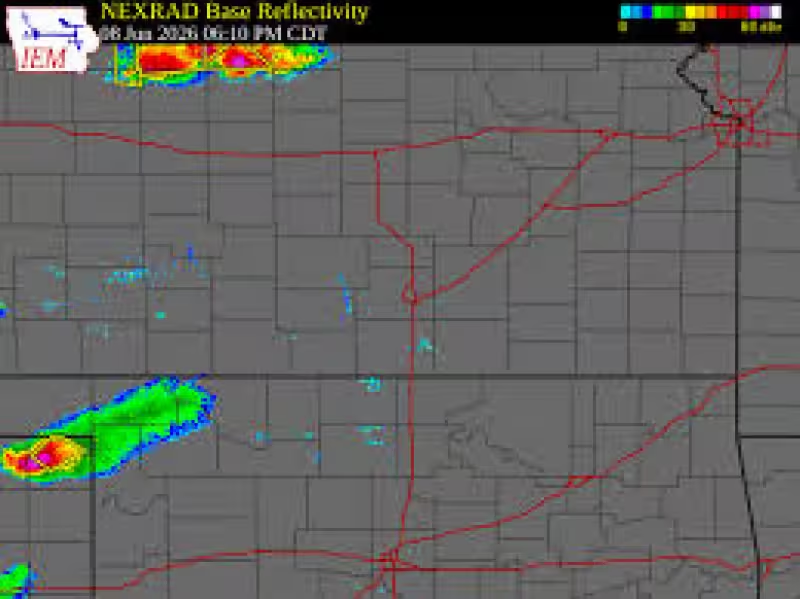
A 113 mph wind gust measured at Salina Airport on the evening of June 8 was the highest wind gust ever recorded there, and severe storms that pushed southeast across Kansas knocked out power to roughly 35,000 residents of Saline County.
The extreme winds came as storms that developed over north central Kansas during the early evening moved into central and northeast parts of the state. Officials reported additional intense readings, including a 111 mph gust from an anemometer near Gypsum and a 98 mph gust near Smolan. The storms produced damaging straight-line winds that caused extensive tree and structure damage across Salina and widespread destruction in communities such as Lindsborg.

The outage figure — about 35,000 residents — captures how broadly the storm’s power impact was felt across the county. Emergency crews and utility customers scrambled to secure downed trees and damaged roofs while utilities worked to assess damage. Customers served by area utilities, including Evergy, were among those who lost service and were urged to document damage for insurance and restoration purposes.
State insurance officials moved quickly to establish a post-storm contact point. The Kansas Department of Insurance said it has been in contact with local authorities in Saline County and urged residents, businesses and agents with problems over claims to reach out for help. Kansas Insurance Commissioner Vicki Schmidt said, "Severe weather in Kansas often means storm damage and insurance claims," and she added, "If you have any questions about your insurance coverage after the storm or have an issue with an insurance claim in the coming weeks, please contact the Department."
The storms’ timeline is short and sharp: they developed over north central Kansas during the early evening hours on Monday, June 8, then pushed southeast through the evening, producing the extreme gusts and the widespread outages that followed. The 113 mph reading at Salina Airport stands out in the raw data as the largest gust measured at that location during the event.
There is, however, a caveat to the record: officials noted the 113 mph reading would need to hold under review to be credited as Salina Airport’s strongest-ever gust. That distinction matters for historical records and for technical analysis of the storm, but it does not change the immediate consequence for residents: extensive damage and a large-scale loss of power.
Practical steps for residents are already in motion. The Kansas Department of Insurance is offering assistance for claim questions and disputes and has said it will work with local officials; residents are advised to photograph damage, keep receipts for emergency repairs and contact their insurer promptly. Utility restoration timelines were not provided; outages affecting tens of thousands mean assessments and staged repairs will be necessary before full service can be restored.
The most pressing unanswered question now is how long full power restoration and storm-damage recovery will take across Saline County. Utilities must complete damage assessments and prioritize repairs where lines and infrastructure are most heavily affected, while insurers and homeowners sort claims and contractors begin repairs. For now, the immediate next steps for households are clear: document damage, contact insurers and the Kansas Department of Insurance if problems arise, and await restoration updates from their electric provider.



