



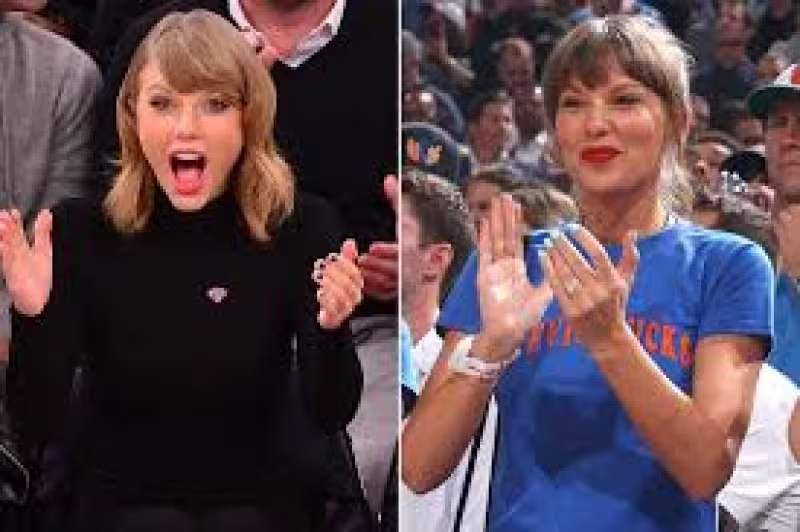
Taylor Swift made a high-profile appearance at NBA Finals Game 4 and, within hours, her presence had become part of the game’s conversation as much as the score. Cameras found her. Social feeds filled with reaction. The moment punctured the line between a sporting event and a cultural event.
The appearance matters because it was not isolated. Swift has been seen frequently at NFL games in the weeks and months around the Finals, and her turn at Game 4 amplified the pattern: when she shows up, so does attention. Fans and viewers who tuned in to the NBA matchup found themselves parsing her reactions, clip by clip, alongside plays and timeouts.

One small piece of soundbite culture followed her into the arena: Swift was quoted saying, "Stevie Knicks." That line moved through message boards and highlight reels the same way a hot play does, becoming a unit of commentary that traveled faster than box-score updates.
Context helps explain why a single appearance lands so heavily. Celebrity attendance at high-profile games has become a recurring part of major-league spectacle. Swift’s NFL appearances already made her a familiar face at stadiums; the Finals put her into a different frame, where national broadcasts, playoff intensity and legacy narratives raise stakes for everything that happens courtside. The broader conversation is now less about one person in a seat and more about how celebrity presence reshapes what sports look and feel like on television and online.
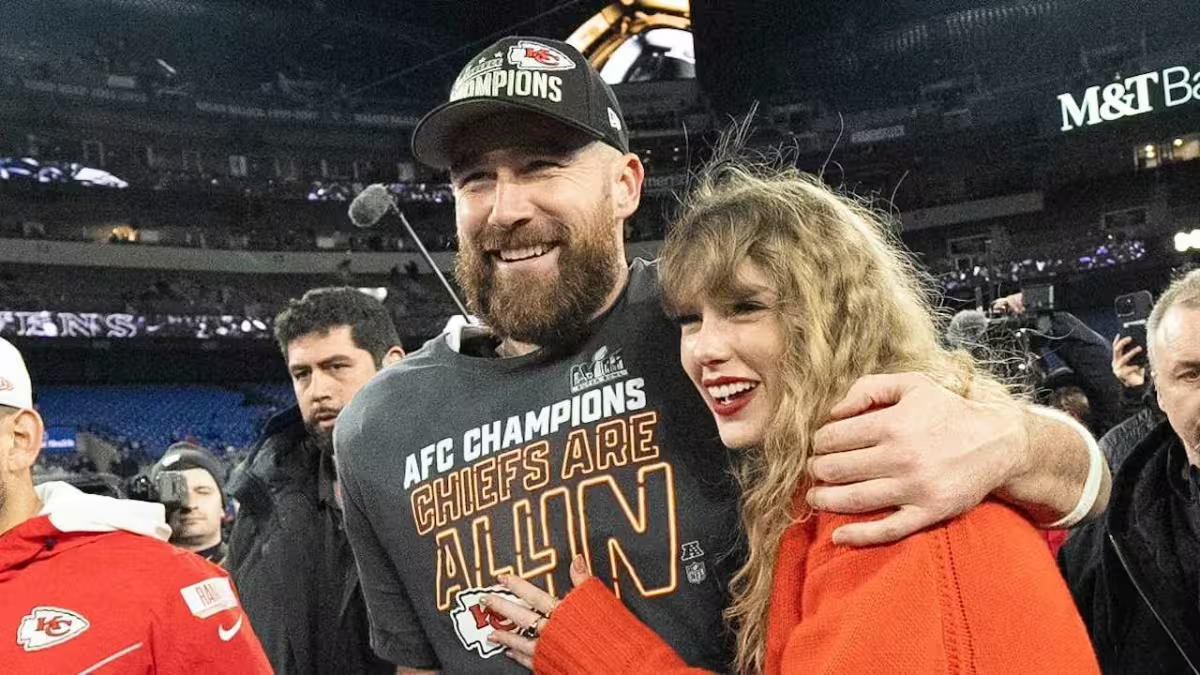

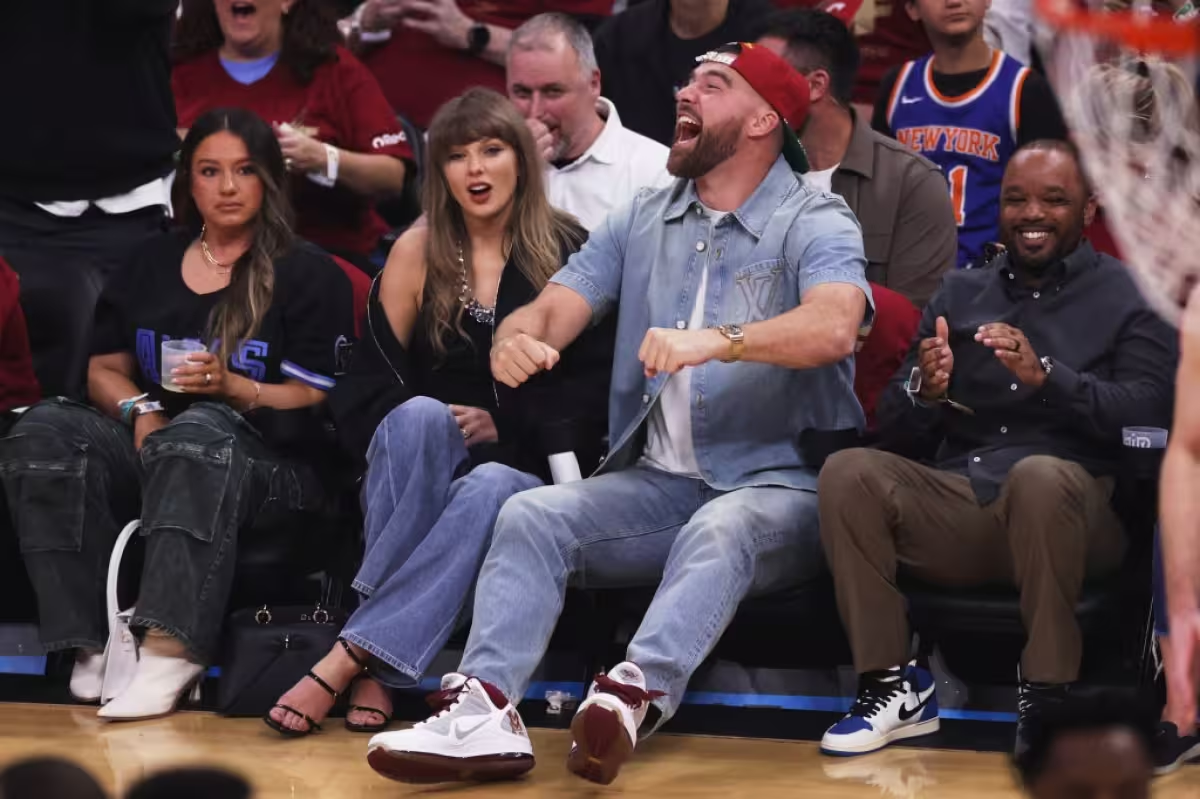
The reaction has not been uniformly admiring. Some fans have openly questioned the authenticity of Swift’s sports fandom, arguing that repeated high-profile outings read as performance as much as pastime. That skepticism has been visible in comment threads and fan chatter: critics say the attention she draws distracts from the event and suspect that the appearances are engineered. Supporters counter that fans have the right to enjoy games at their pleasure and that celebrities have long been part of the sports landscape.
That disagreement is the central friction: Swift’s presence is both a genuine individual choice to attend games and a cultural signal amplified by media ecosystems designed to hunt for moments. The split between those who see her as a fan and those who see her as a spectacle points to a larger debate about celebrity influence in professional sports — whether it democratizes interest or distorts it.
The immediate consequence of Game 4 was not a policy change or an official statement from league offices; it was another cycle of attention that folded into an ongoing public argument. For the viewers who care most about basketball outcomes, the game’s plays still mattered more than who was sitting courtside. For the broader audience that follows culture as closely as scores, Swift’s attendance became a headline in itself.
What comes next is the question now carrying the most weight: will Swift’s pattern of appearances continue to function as personal fandom, or will it calcify into an expected element of modern sports spectacle? There is no confirmed next public game appearance, but the pattern is clear enough to draw a conclusion: by repeatedly turning up at big sporting moments, Swift has moved from occasional attendee to active shaper of the conversation around those moments. Whether that shift is embraced, resented, or simply accepted will determine whether her stadium seats remain a footnote or become a new kind of fixture in how major events are watched.



