



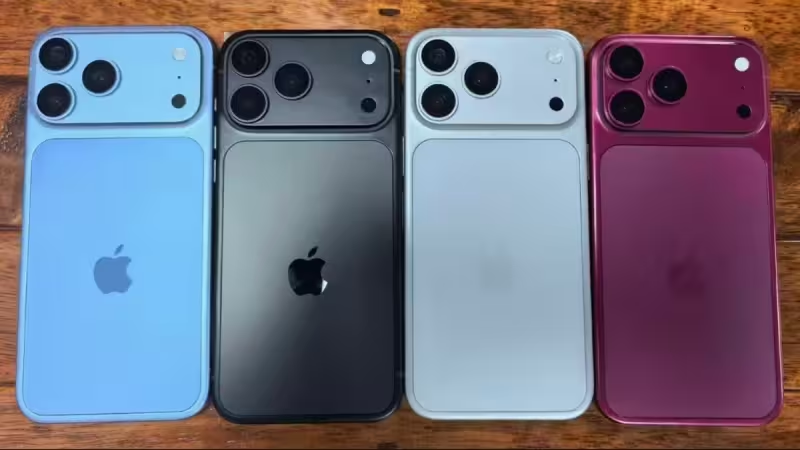
A problem that affected some iPhone 17 Pro models might also make its way to the iPhone 18 Pro.
The development matters because it is the only concrete new detail about the two generations: owners of affected iPhone 17 Pro units have already seen the issue, and potential buyers weighing an upgrade now face the possibility the next Pro model could inherit the same flaw. Apple is the company behind both phones, and its future steps will determine whether the problem stops with the current generation or persists into the next.

Evidence in the public record is thin. Reporting so far notes only that some iPhone 17 Pro models were affected at an earlier, unspecified time and that the same issue might appear in the iPhone 18 Pro; the primary statement does not identify the specific defect. Separate coverage about Siri and Apple AI remains a different thread and does not alter the central point: a problem tied to certain 17 Pro units could be relevant to the 18 Pro launch.
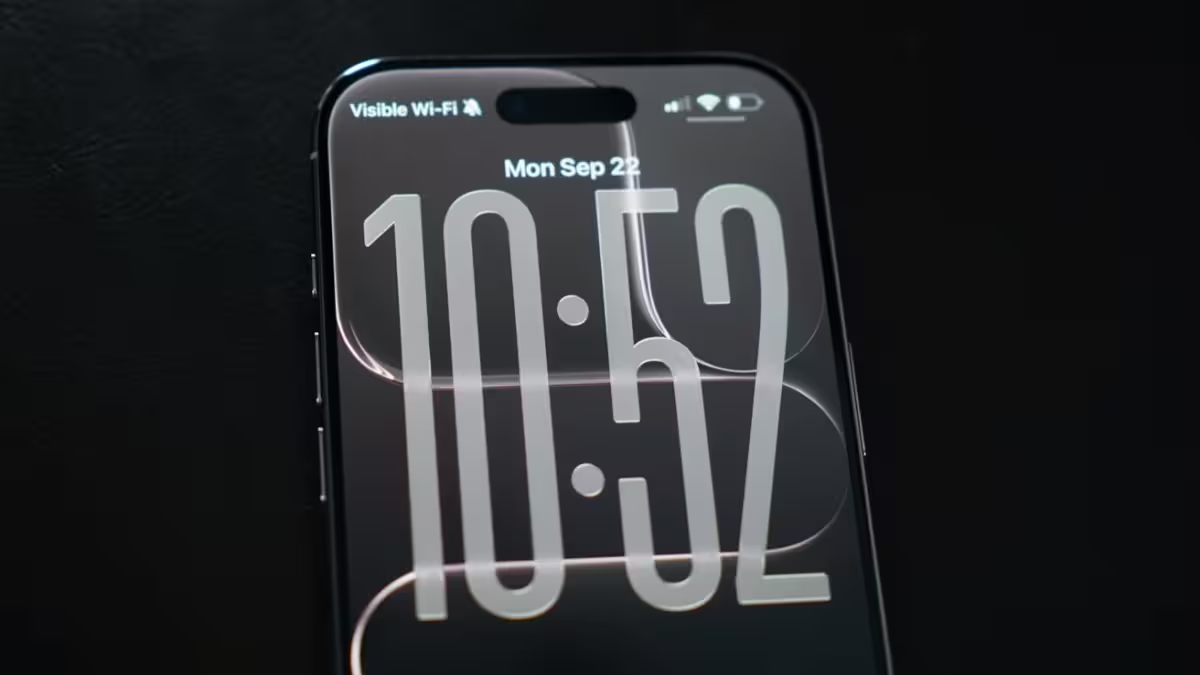
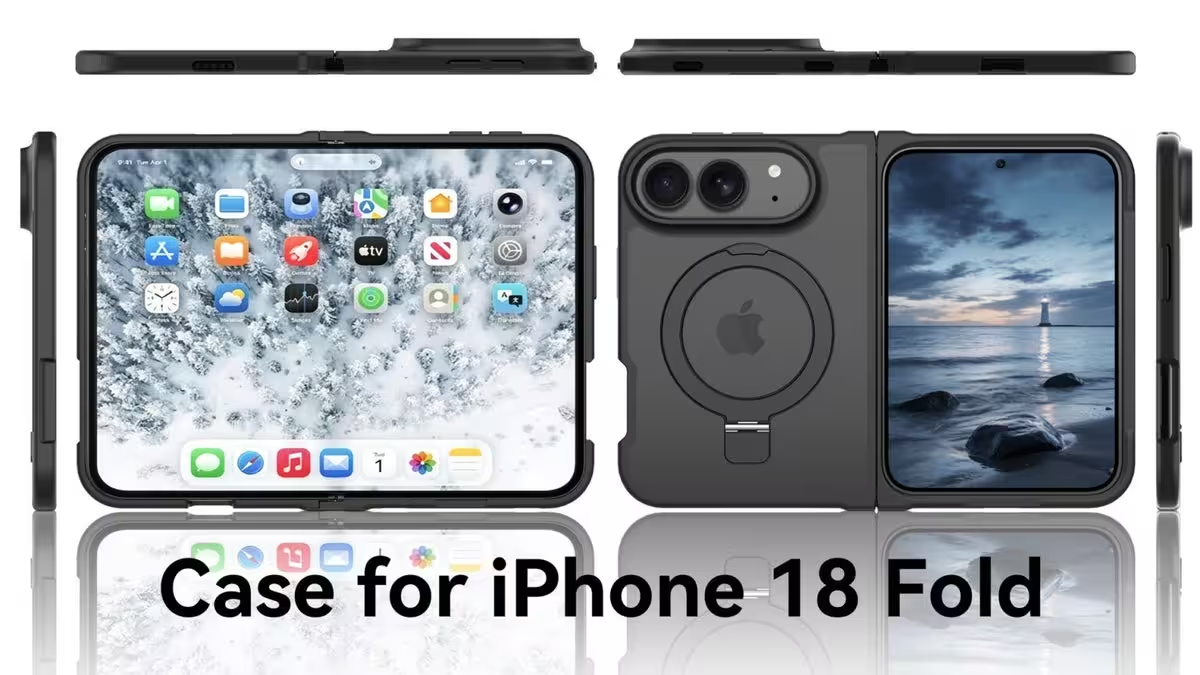

The ambiguity matters in practical terms. The iPhone 17 Pro line has been prominent in high-profile demonstrations and uses — for example, coverage of WWDC mentioned the Apple Iphone 17 Pro Max as the keynote closed — and the model has been paired with live sports streaming setups, such as a recent MLS stream involving Houston Dynamo and LA Galaxy that referenced iPhone 17 Pros. When a device platform is used in those contexts, a recurring hardware or software problem can affect not only individual owners but also broadcasters, content teams and enterprise purchasers who plan around a known capability.
That is also where the friction sits: the available reporting stops short of confirmation. The language used about the iPhone 18 Pro is cautious — the problem might carry over — and Apple has not been recorded as confirming the fault will appear in the next model or as saying it has been resolved. That gap leaves product managers, repair teams and consumers without a clear signal about whether the issue is a lingering design choice or a fixable anomaly that will be corrected before the 18 Pro ships.
For buyers and observers, the immediate questions are concrete and unresolved: what exactly was the problem on the affected iPhone 17 Pro units, how many devices were affected, and will Apple change the component, firmware or manufacturing process before the iPhone 18 Pro release? None of those specifics are in the public thread at this moment, and the company’s silence on a confirmed cause or fix keeps them open.
What happens next depends on Apple’s next communication. The company could either clarify the scope of the earlier issue and say it has been addressed for the 18 Pro, or it could offer no new detail, leaving the possibility that the same fault remains. For anyone deciding whether to buy an iPhone 17 Pro now or wait for the iPhone 18 Pro, the practical takeaway is simple: the risk has been signaled, not measured. Watch for an Apple statement or technical notes before treating the issue as contained.



