



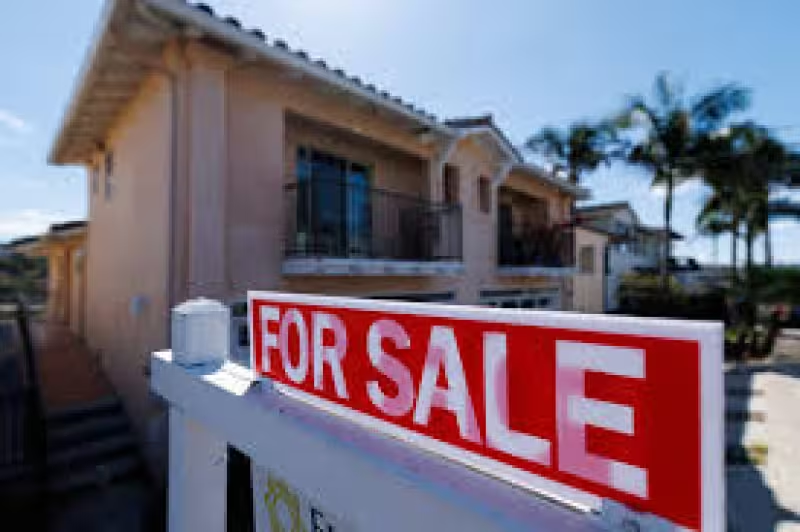
Mortgage news daily centered on one figure this week: the average 30-year fixed-rate mortgage rose to 6.52% in the week through Wednesday, up from 6.48% a week earlier, marking the fourth week that rates have spent around the 6.5% level.
The move followed fresh economic data that strengthened the case for higher short-term interest rates. New inflation figures showed prices were up 4.2% last month from May 2025, and employers added an unexpectedly strong 172,000 jobs in May 2026 — a combination that pushed Treasury yields and mortgage rates higher.

Markets responded quickly. About two-thirds of traders now expect the Federal Reserve to raise benchmark interest rates at least once before the end of the year, and that shift in expectations is one reason mortgage rates climbed this week instead of drifting lower.
Kara Ng, who has been watching market reactions closely, said the data together reinforce a "higher-for-longer" outlook: markets have largely abandoned hopes for rate cuts this year as Treasury yields rose and mortgage rates resumed their ascent.


The immediate consequence is practical: rates near 6.5% continue to erode affordability for prospective home buyers and keep refinancing costs elevated for existing homeowners. Yet the housing market is not frozen; buying and selling activity picked up in May even as higher rates bit into purchasing power, underlining a tension between sustained demand and deteriorating affordability.
For shoppers and sellers, the difference between 6.48% and 6.52% may look small; in dollars it changes monthly payments and how much mortgage a given income will support. For the broader market, the persistence of elevated rates for four consecutive weeks tightens the margin for price gains and keeps refinancing flows at bay, reducing the immediate incentive for borrowers to reset existing loans.
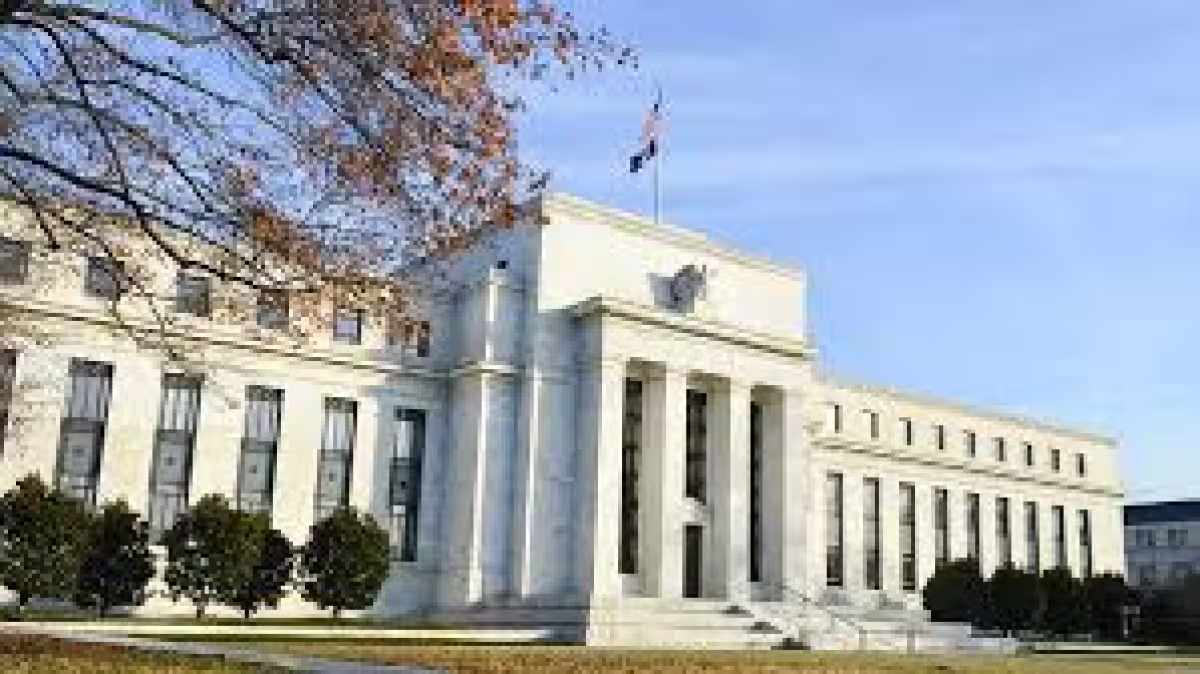
It is important to note that the Federal Reserve does not directly set mortgage rates. Still, those rates are sensitive to expectations about Fed policy because long-term yields — including those on U.S. Treasury debt — move when traders and investors reprice the odds of future rate hikes. The recent inflation and jobs numbers have done exactly that: altered the odds and nudged long-term borrowing costs up.
The clear friction in today's market is that higher mortgage costs are squeezing buyers even as sales activity ticked up in May. That split complicates forecasts: stronger demand could support home prices despite higher rates, but sustained unaffordability will eventually sap the pool of qualified buyers and cool turnover.
The most consequential unanswered question now is whether policymakers will follow market bets and deliver at least one rate increase before year-end. Traders price the probability as significant, but the Fed’s decision will depend on how inflation and hiring evolve from here. Until that choice is resolved, mortgage rates are likely to hover near the current mid-6% range and remain sensitive to each fresh inflation print and payrolls report.



