




Freddie Mac reported the average U.S. 30-year fixed mortgage rate rose to 6.52% in the week through Wednesday, up from 6.48% a week earlier.
The move keeps long-term mortgage interest rates clustered near 6.5% — they have spent the last four weeks hovering around that level — and remains below the 6.84% average recorded a year ago.

Two market forces pushed the weekly change: investors received fresh data showing the economy added 172,000 jobs in May and consumer prices climbed 4.2% year over year in May, and bond yields edged higher. The yield on the U.S. 10-year Treasury rose to 4.53% in midday trading Thursday from 4.47% a week earlier, and mortgage rates broadly tracked that advance.


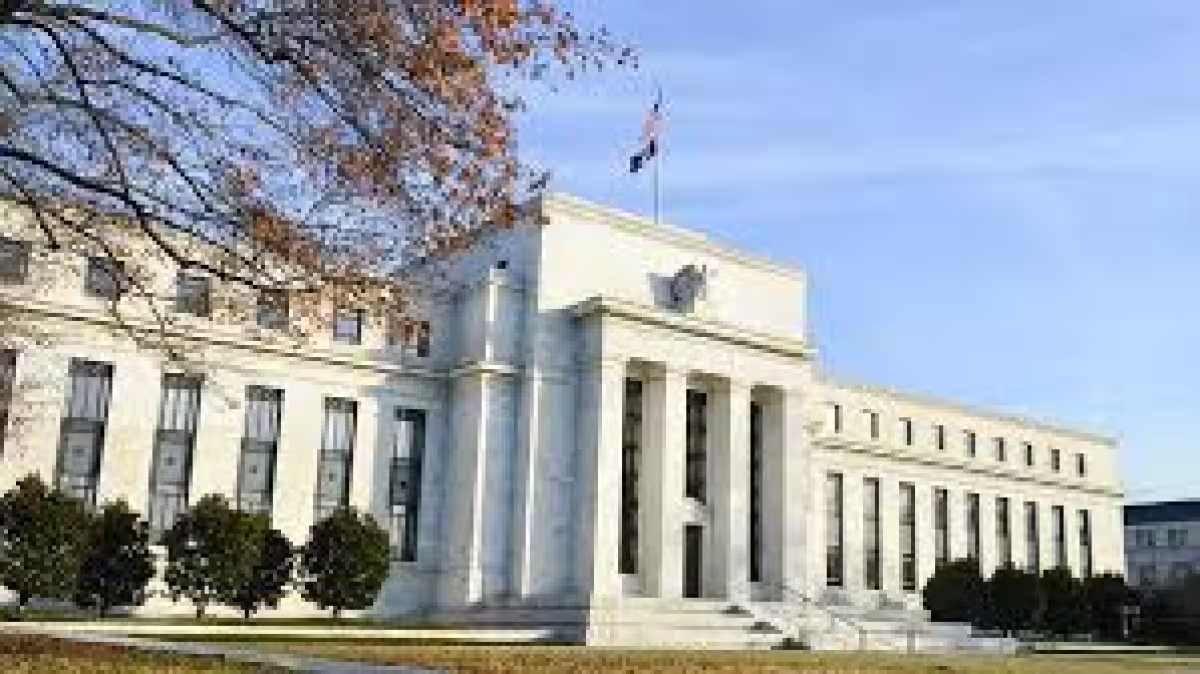
Market expectations for Federal Reserve policy tightened further: roughly two-thirds of traders now expect at least one Fed rate increase before year-end, a shift that traders and analysts say has reduced the chance of rate cuts and supported higher long-term borrowing costs. Kara Ng said the recent data and market moves reinforce a "higher-for-longer" outlook — that is, diminished hopes for cuts this year, rising Treasury yields, and renewed upward pressure on mortgage rates.
For borrowers, the immediate consequence is straightforward: a weekly uptick in the average 30-year rate. For the housing market, the pattern matters more than any single decimal point because mortgage interest rates remain the key determinant of monthly payment size and purchasing power for homebuyers. While rates have climbed since late February, when the 10-year yield stood at 3.97% before the U.S.-Iran war began, they are still below last year’s average.
That contrast is the story’s friction: mortgage rates rose this week, yet the average long-term rate remains beneath the 6.84% mark from a year ago. The gap underlines how recent volatility — from geopolitical shocks to shifting Fed expectations — has pushed rates around a higher plateau without exceeding the peak from 12 months prior.
What happens next hinges on the twin data streams the market is watching most closely. If jobs and inflation continue to show resilience, bond yields and mortgage interest rates are likely to stay near current levels; if they soften, markets could revive hopes for easier Fed policy and compress yields. The market consensus that a rate increase is still possible this year leaves the timing of any downward move in rates unresolved — how long mortgage interest rates remain near 6.5% is the open question for borrowers and lenders.



