



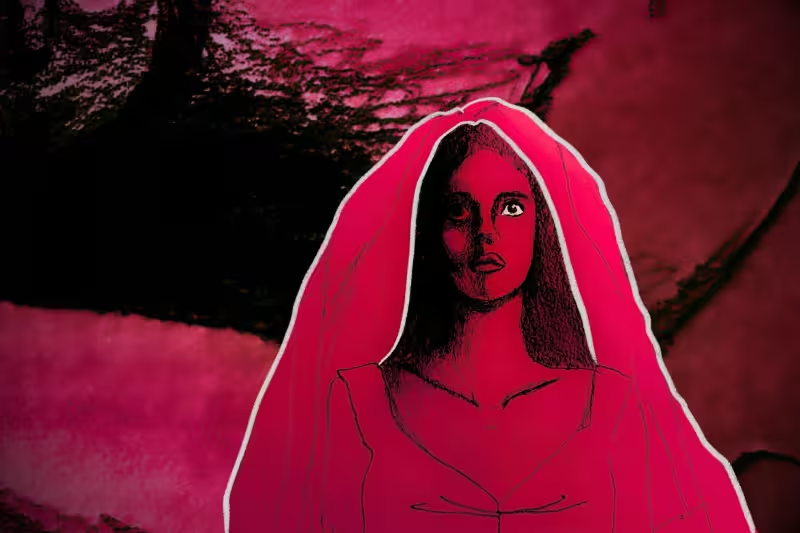
“I was so excited and scared, and from the second that call came, my life just changed immediately,” Haley Z. Boston said in a May interview about the moment her limited series was greenlit. The series, Something Very Bad Is Going to Happen, hit Netflix a little over two months before the conversation; Boston has spent the ensuing months explaining how that single phone call became two years of continuous work.
Boston’s rush to organize a production was immediate. She said the team moved straight into the practical questions that decide whether a scripted idea can survive — budget, shooting location, directors and hiring — and that those conversations shaped every script choice afterward. The show, executively produced by Matt and Ross Duffer, follows a betrothed couple in the days before their wedding and unspools themes of toxic family dynamics, soulmates and grief; Boston described writing with all of that pressure in mind.

The clearest proof the project was more than a solitary voice was the writer’s room Boston described. Isaac Sims, who joined the room after graduating Northwestern in 2017, called it “pretty incredible” and said it mixed people who were both formally trained and those who had been “baked and born into the horror universe.” That blend, Boston and Sims said, informed both the tone and the mechanics of the twists.
Boston told the same story about endings twice over: she wanted viewers to be surprised, but she insisted the conclusion should feel inevitable in hindsight. “I’m always trying to do that — set expectations, and then make you think ‘X’ is going to happen, and then at the last minute, it’s actually ‘Y,’” she said. The tension between surprise and inevitability guided the room’s work; Sims even joked the group leaned on a guiding question, asking, “What would Damon Lindelof do?” when debating structure and deception.
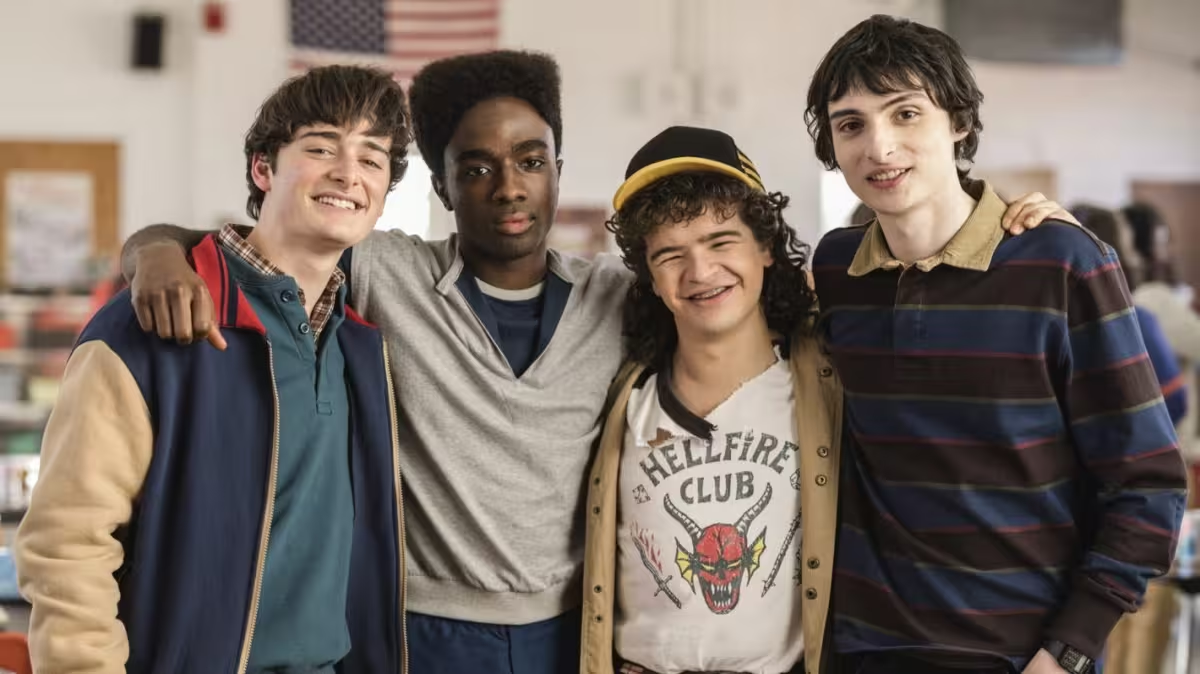
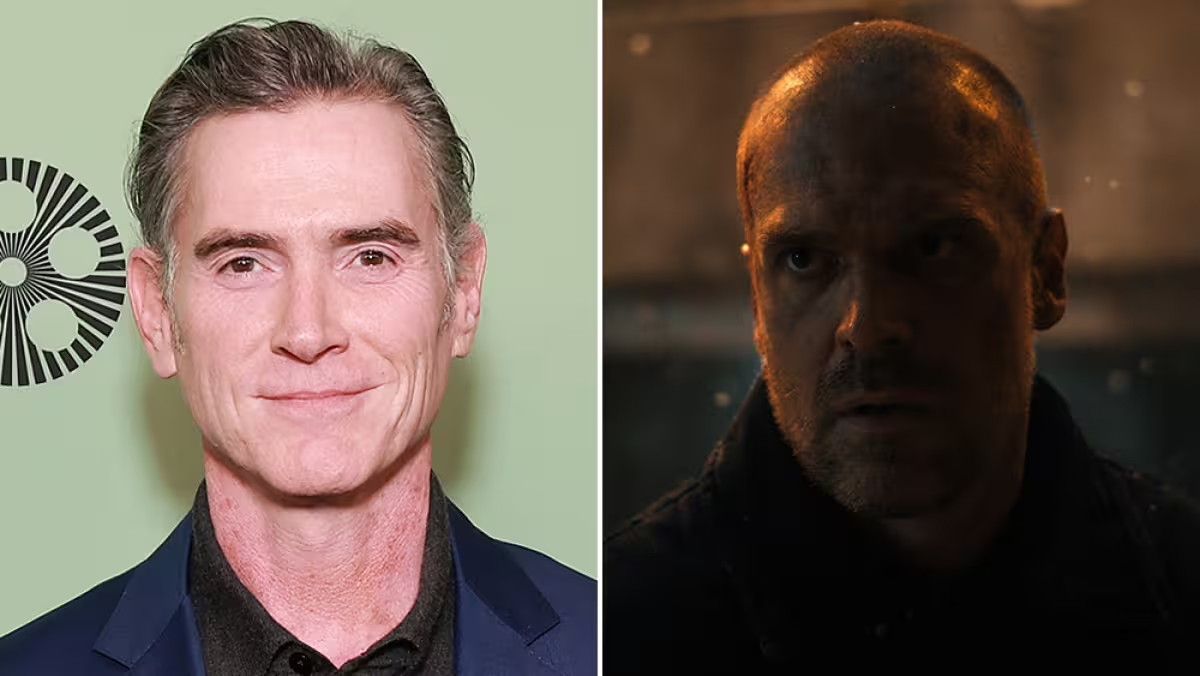
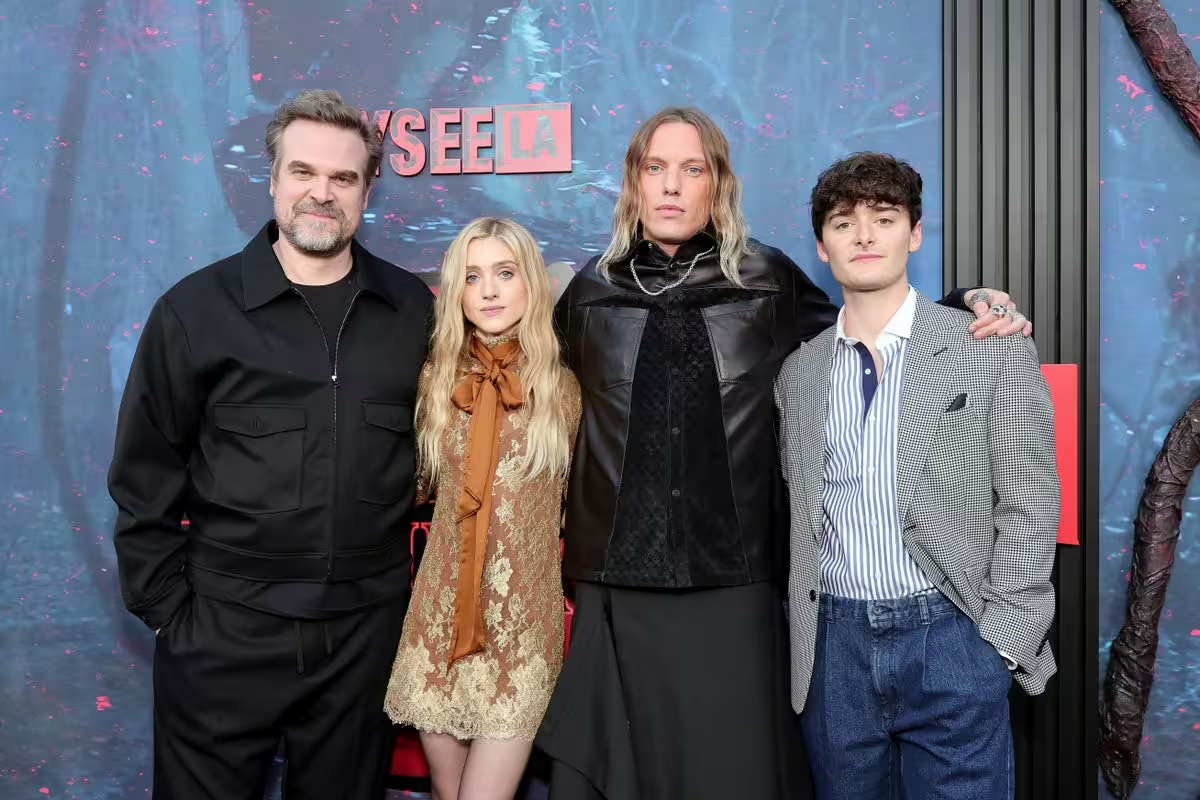
That balancing act shaped how the series used character beats and misdirection. Boston said the writers intentionally seeded choices so the final turn would read back as the only coherent ending, not a trick conjured from nowhere. At the same time, the production realities she described — from budget constraints to location logistics — regularly pushed the team to find economical ways to deliver a sense of scale and dread.
Boston also carried a smaller, personal pulse through the show: Northwestern cameos. A Communication ’16 alumna, she said she “love[s] seeing when other people do it” and wanted to nod to the school the way other creators sometimes do. She framed those touches as belonging less to stunt casting and more to a private habit of homage; how the cameos were selected, and which Northwestern people or references made the cut, remains the clearest unanswered detail from the interview.
For Boston, the greenlight didn’t feel like an endpoint; it was the moment the real job began. She said she did not stop working for two years after that call, moving between writers’ room drafts and production problems until the series was ready for release. Sims and others described a collaborative process that treated horror as both codified craft and communal language, and the presence of the Duffer brothers as executive producers added a high-profile frame to what Boston called a very writer-driven project.
The single concrete next step from the conversation is procedural: the series is out and the creators are answering questions about how it was made. There is no confirmed follow-up project or release date to report. The sharper, more consequential gap is creative — who appears in those Northwestern easter-eggs and why — and that choice will tell us whether Boston’s homages were private flourishes or an invitation to the university community to read the show differently. For now, Boston’s victory is simply that a greenlight turned into a two-year sprint that, by design, aims to surprise viewers in a way that feels as if it always had to happen.



