



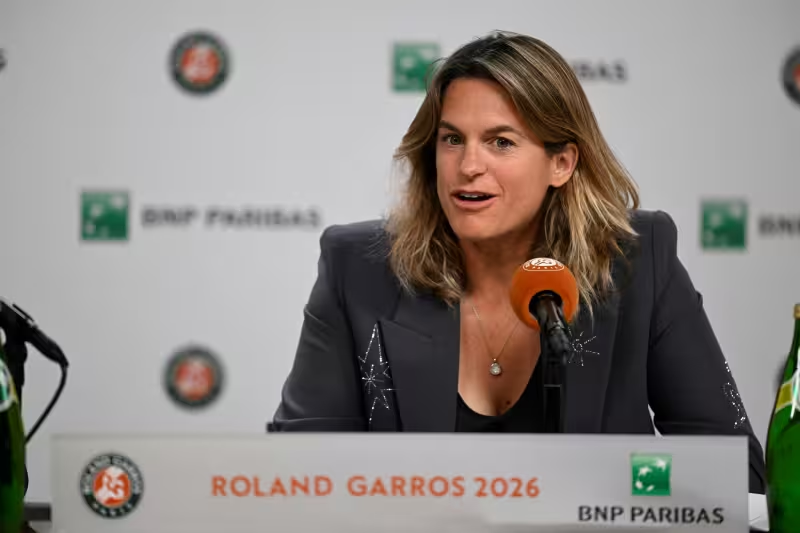
Amelie Mauresmo delivered the verdict on Sunday: Roland‑Garros 2026 lived up to expectations and set a new attendance record, with "more than 727,000 people" passing through the gates over the course of the event.
She framed the numbers as proof the tournament’s scale and atmosphere held firm. "In many aspects, this 2026 edition has been a success," Mauresmo said, and added that "it has been a tournament full of surprises and emotions." The week produced headline figures — the overall attendance record, more than €600,000 raised for charities through programming including Yannick Noah Day, and 138,000 spectators in Opening Week who took advantage of tickets priced under €30.

The tournament also drew crowds to special moments: Gaël Monfils’s evening "Gaël & Friends" on May 21 on Court Philippe‑Chatrier, the new food experience "Le Jardin des Chefs," and a packed Tribune Concorde crowd of more than 11,000 people on a Friday even after the cancellation of the second men’s semi‑final. On court the slogging and late finishes were real — there were 31 five‑set matches in total before the men’s final — and fresh faces such as Jakub Mensik, Joao Fonseca and Rafael Jodar emerged alongside memorable contributions from Stan Wawrinka, Caroline Garcia and Monfils. Mauresmo noted the tournament’s pull for players as well: "We are very proud that the magic of the tournament also resonates with the players." Mirra Andreeva, described as a new champion at 19 years old, said she felt "cosy" at Roland‑Garros, while Maja Chwalinska was singled out as a standout surprise of the edition.
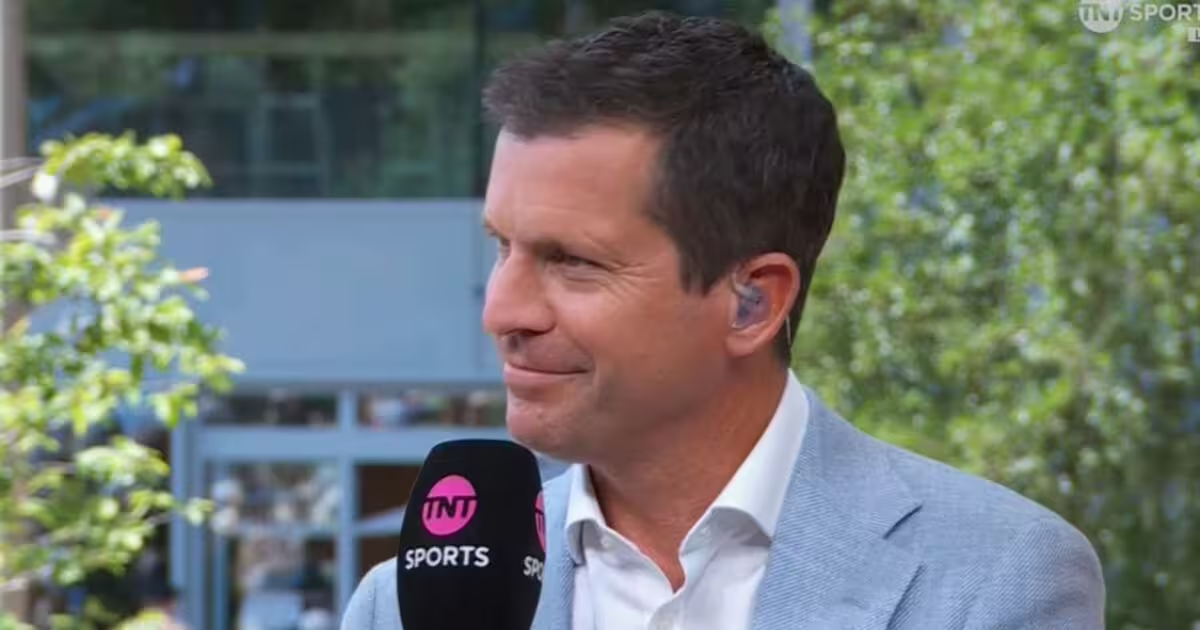
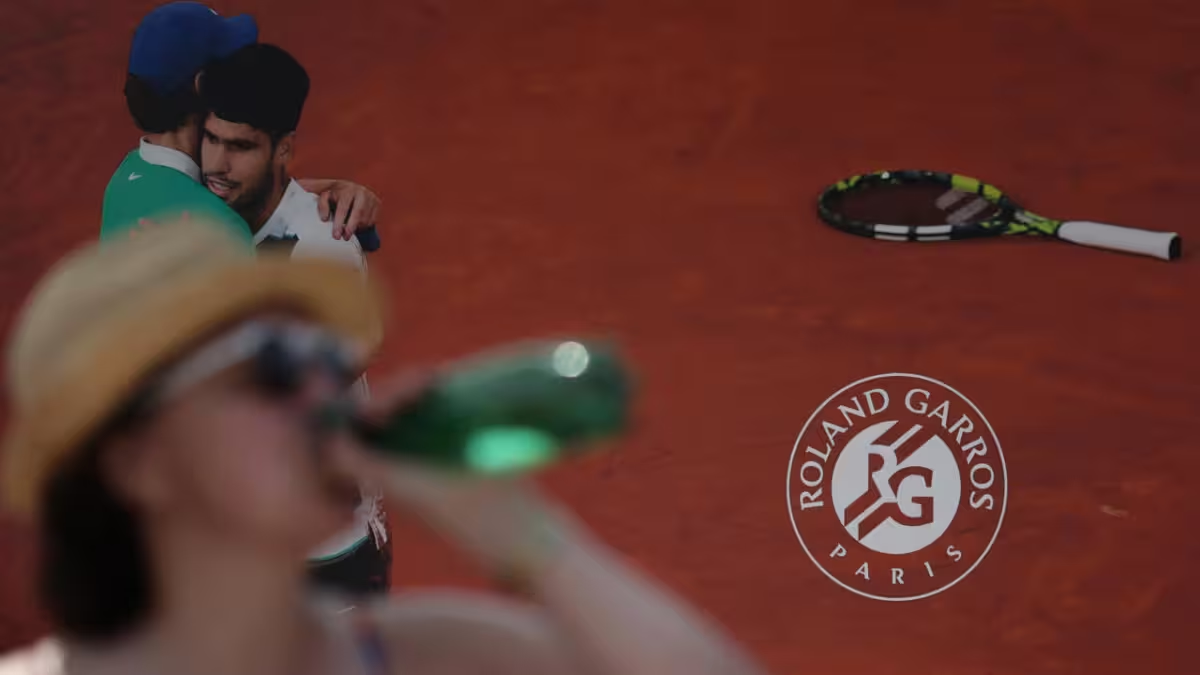
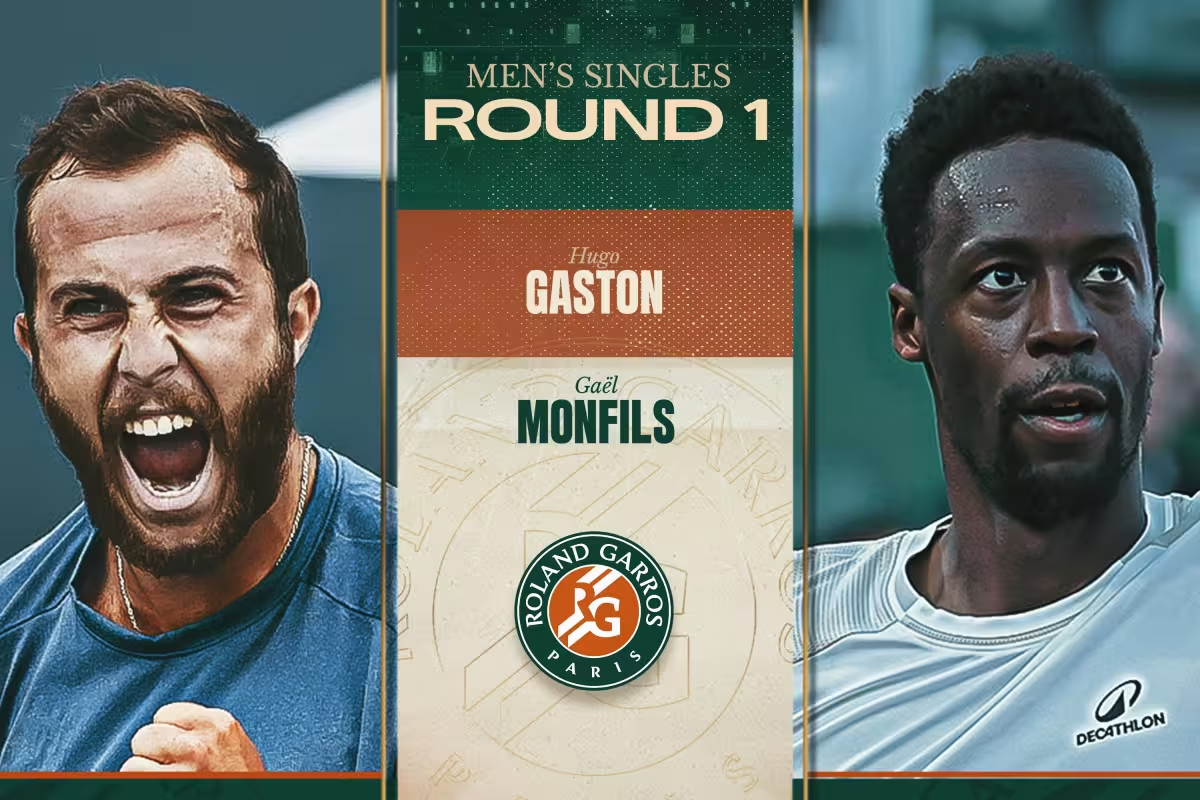
That mix of scale and spectacle is what underpins the tournament’s post‑event claim of success. It also funded off‑court impact: charity programming, notably Yannick Noah Day, accounted for the bulk of the more than €600,000 raised, tying visitor enthusiasm directly to fundraising outcomes.
But Mauresmo did not present a seamless picture. "This year, we were truly challenged, whether by the weather or by scheduling constraints," she told reporters, acknowledging strains that sat uneasily beside the record attendance. The schedule was already crowded — 31 five‑set matches before the final and the cancellation of a late semi‑final are concrete markers of the pressure that organisers faced.
The disconnect is plain. On the one hand, accessibility moves — low‑priced Opening Week tickets and free‑or‑low‑cost Tribune Concorde initiatives — broadened the audience and helped post the attendance record. On the other, weather interruptions and a congested match calendar demanded rapid adjustments from staff, players and fans. Mauresmo praised the solidarity that made the edition succeed: "But everyone pulled together, showed great solidarity, and delivered an edition that lived up to our expectations." She also highlighted the emotional highs and surprises that the tally of matches produced.
What the tournament did not answer in Mauresmo’s end‑of‑tournament review is how organisers will close the gap between scale and fragility. She pointed to the problems; she offered no concrete roadmap for changes to scheduling, contingency planning or infrastructure to limit weather and timing disruptions going forward. That absence is now the decisive question for Roland‑Garros: how to preserve the growth in attendance and fundraising while fixing the operational vulnerabilities that this edition exposed.



