



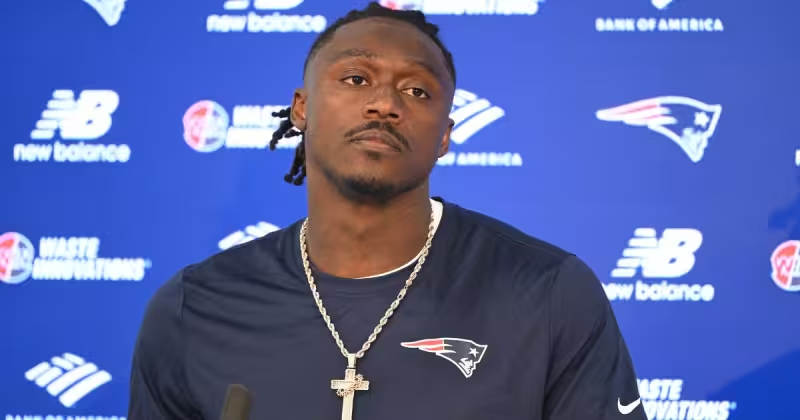
The New England Patriots traded for A.J. Brown on Monday, sending the Philadelphia Eagles a 2028 first-round pick and a 2027 fifth-round pick, a move that immediately hands Drake Maye an established No. 1 receiver and reunites Brown with Mike Vrabel, who coached him in Tennessee from 2019 to 2021.
The upgrade is measurable on paper: Brown has topped a 23% target share in four straight seasons and reached a 30.1% target share as recently as 2023; over his four-year stint with Philadelphia he piled up 2,939 yards on downfield passes and tied for the third-most downfield touchdowns in the league with 24. By contrast, last season Stefon Diggs led the Patriots with 102 targets, 85 catches and 1,013 receiving yards and a 21.2% target share — numbers that underline why New England had not previously entered 2026 with a No. 1 receiver of Brown’s caliber.

How Brown fits the offense is straightforward. Drake Maye already throws 10-or-more air-yard passes at the fifth-highest rate in the league (37.2%) and led qualified passers last season in completion rate (61.2%), success rate (60.1%) and passer rating (126.1) on those throws. Brown’s history of generating big plays downfield aligns with that profile: his downfield yardage and touchdown totals with Philadelphia are the statistical backbone for expecting more explosive plays from Maye, and Brown’s consistent target-share track record suggests he will assume the primary outside role the Patriots lacked.
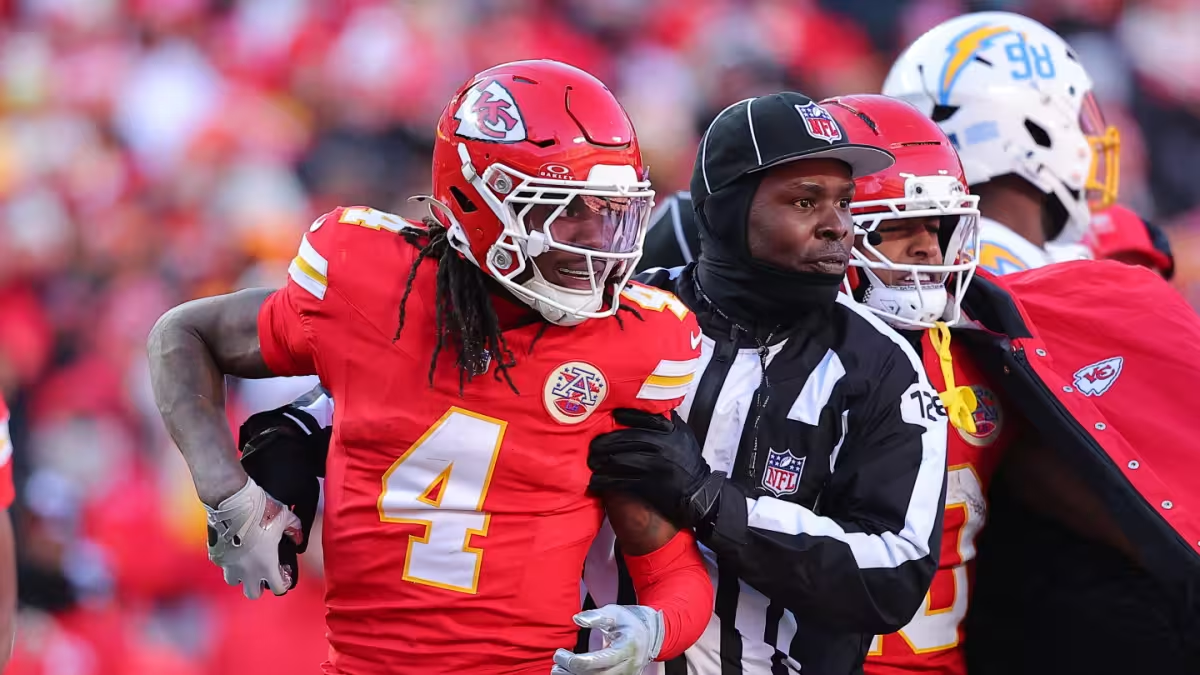
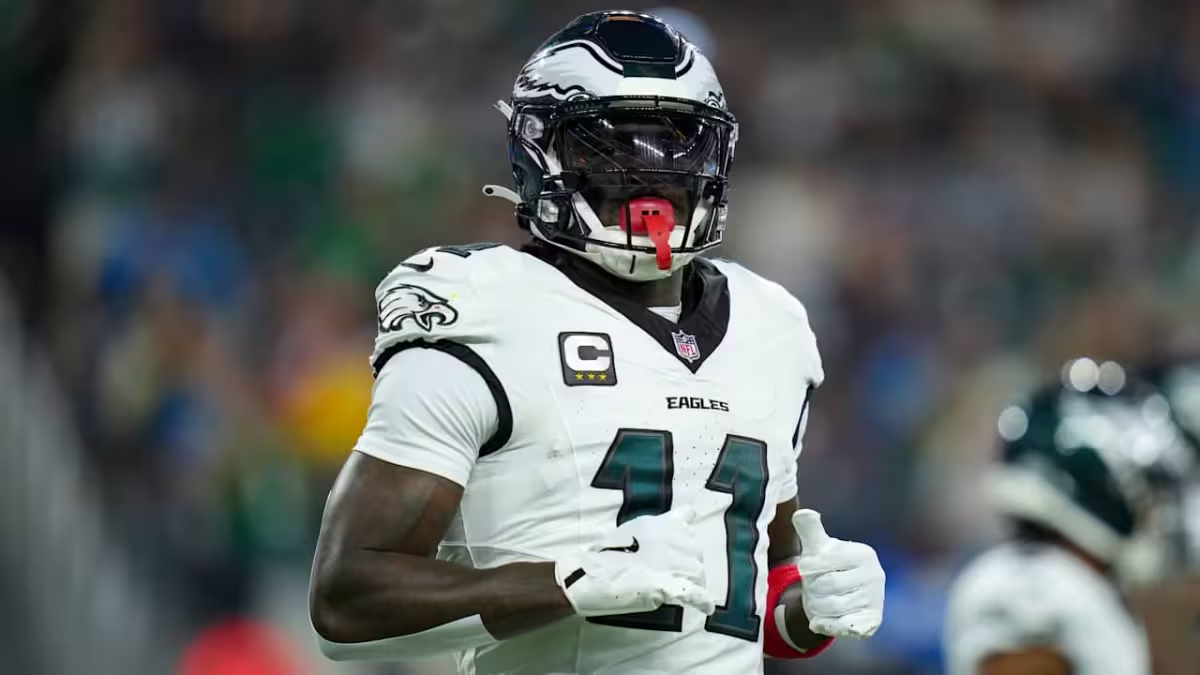
Roster mechanics make the change immediate. Romeo Doubs had been set to start 2026 atop New England’s receiver depth chart after signing a four-year, $68 million deal in March, but Doubs’ career-high target share is 18.5% (15.8% career average in Green Bay) — well under Brown’s sustained 23%-plus share — so Brown steps into the primary-volume role Doubs was projected to occupy. The reunion with Vrabel adds a schematic familiarity that could accelerate Brown’s assimilation into the offense.
The move is not risk-free. A supplementary assessment of Brown notes he will be playing his age-29 season in 2026 and that his production waned in his last two seasons with Philadelphia. That friction matters: New England paid future premium picks for a receiver presented as an immediate upgrade, yet the argument for upgrade rests on Brown returning to the volume and downfield efficiency he posted earlier in Philadelphia. If Brown’s target share or downfield potency slips toward the lower end of his recent range, the Patriots will have traded long-term draft capital for a shorter-term, uncertain boost.
The next measure of success is concrete and statistical. The Patriots have given Brown the role and the match: Maye’s downfield profile and Brown’s history of high target share and downfield scoring set a clear test. What will decide whether this trade reshapes New England into a genuine Super Bowl contender is how many targets and downfield touchdowns Brown commands in 2026 — specifically whether he reclaims a 23%-plus target share and the downfield production that made him a top-tier receiver. Those numbers will determine whether the picks New England exchanged look like a sensible price or a costly gamble.



