



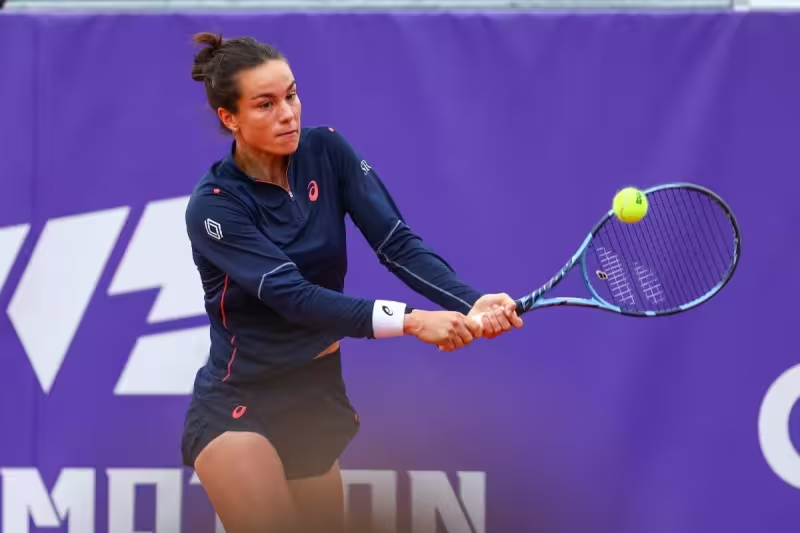
Loïs Boisson will open her Roland Garros 2026 campaign against 22nd seed Anna Kalinskaya after Thursday’s main-draw ceremony, setting a tough first test for a player racing back from injury.
Kalinskaya arrives as the 22nd-ranked player and seeded 22nd; Boisson, who shocked the tournament by reaching the 2025 semifinals as a qualifier while ranked 361st in the world, only returned to competition at the end of April after seven months out with injuries.

The numbers underline why this pairing matters: Boisson’s run through Paris in 2025 transformed her career overnight from 361st into a household name, and now, with the main draw beginning on 24 May, the Frenchwoman must prove in round one that her body and form can withstand the pressure of facing a top-25 opponent straightaway.
The draw produced other headline first-round matches that will shape the early storylines of Roland Garros 2026. Arthur Fils drew Stan Wawrinka in a match that pairs a rising Frenchman against a returning veteran, and Jannik Sinner was set to begin against Clément Tabur — encounters that promise hard-court battles to be replayed on clay in the tournament’s opening days.
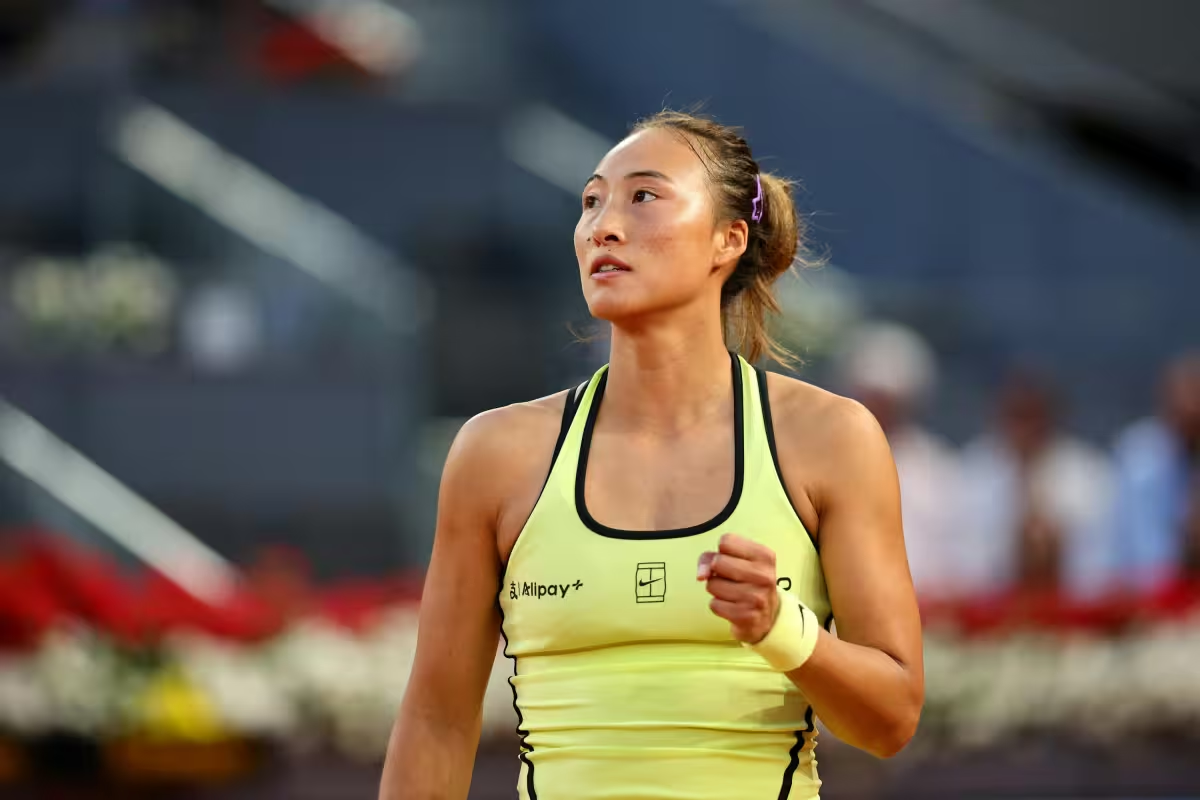
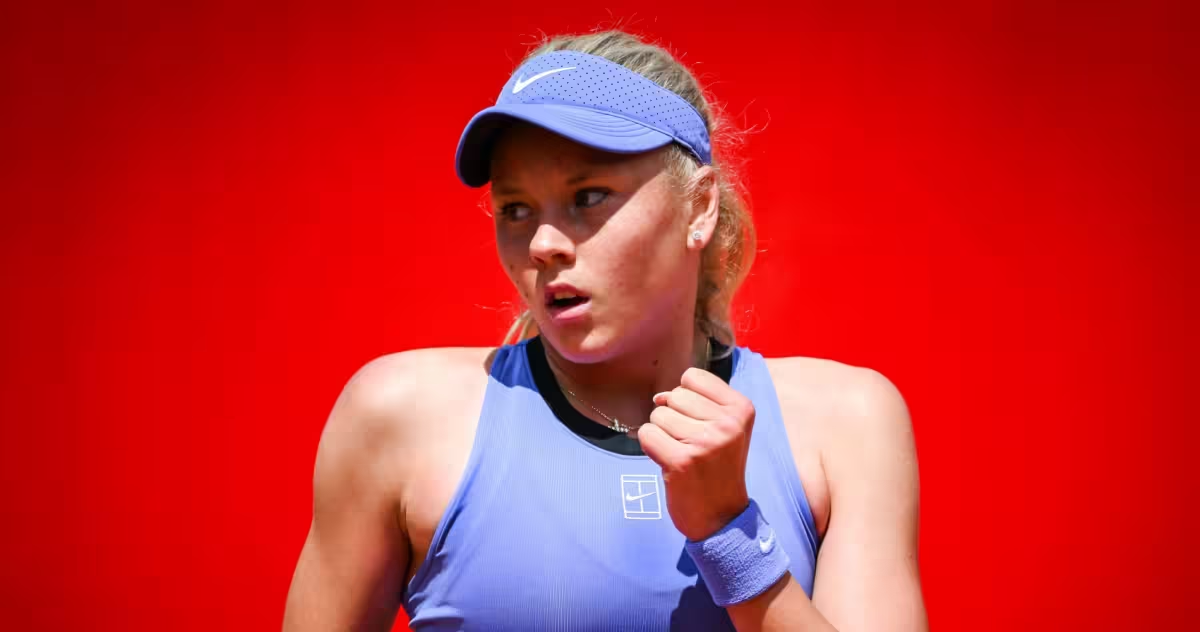
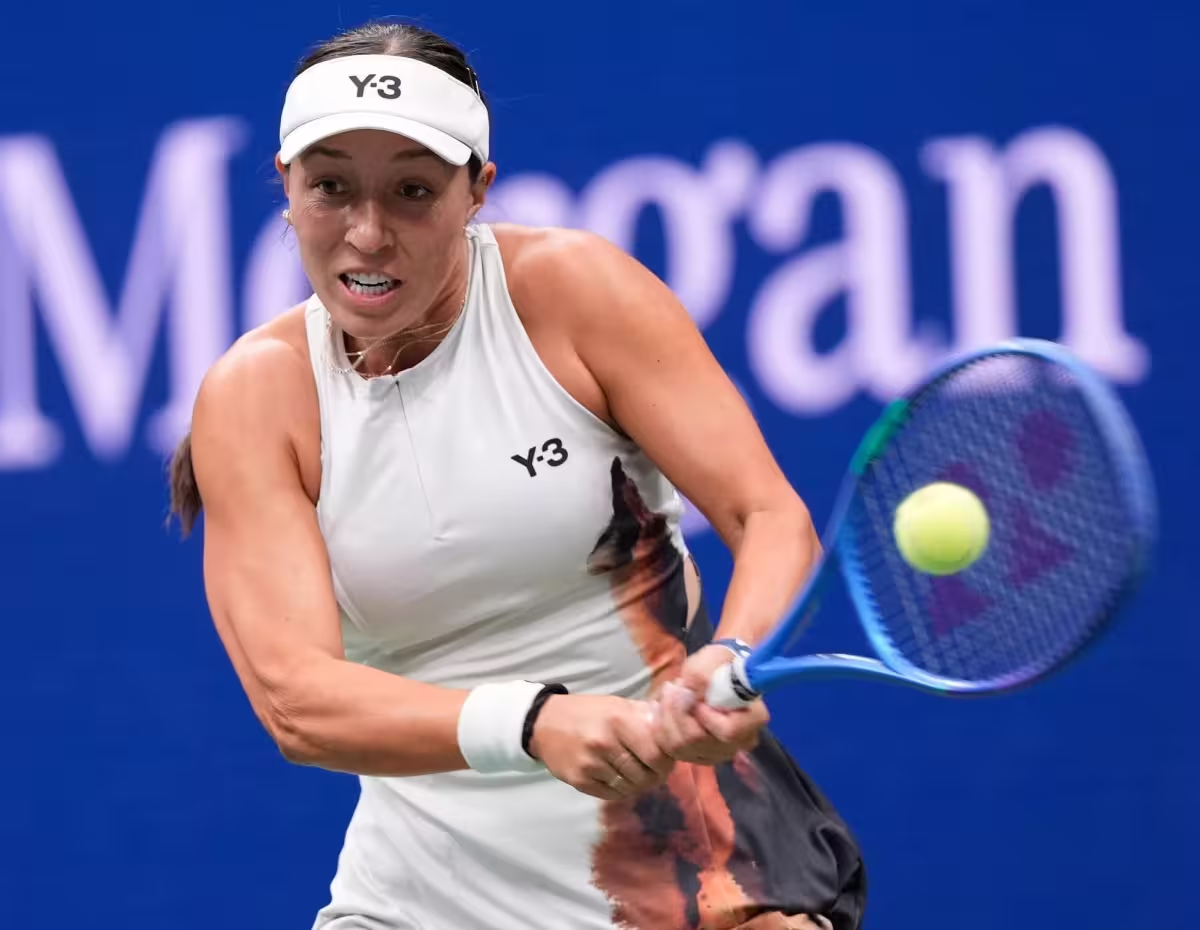
Prize numbers add weight to those fights. Tournament organizers have set total prize money at about 62 million euros for Roland Garros 2026, with the singles champion promised 2.8 million euros — stakes that make every opening-round match a high-risk, high-reward proposition for players balancing fitness, form and ranking points.
There is friction in the draw beyond simple rankings. Boisson’s comeback after seven months sidelined by injury creates real doubts: a deep run in 2025 was built on sudden momentum and match rhythm; returning late in April gives her little margin for measured preparation. Facing the 22nd seed immediately collapses that margin into one match. At the same time, the Fils–Wawrinka pairing raises a different tension — one of experience versus youth — and promises to draw public attention in the tournament’s first days.
Thursday’s ceremony also left unanswered which early tests matter most for longer title dreams: seeded players vulnerable to untested returns, or veterans match-fit enough to cut through younger opponents. The draw forces those questions into first-week matchups rather than letting them be settled later on clay.
The single most consequential unanswered question from the draw is simple and direct: can Loïs Boisson, who exploded onto the scene as a 361st-ranked semifinalist in 2025 and who only resumed play at the end of April after seven months out, reproduce the form and resilience that carried her so far — beginning with one match against Anna Kalinskaya — or will her comeback stall at the first hurdle?



