















Trump Executive Order Impacts College Sports: What it Means for IU Sports

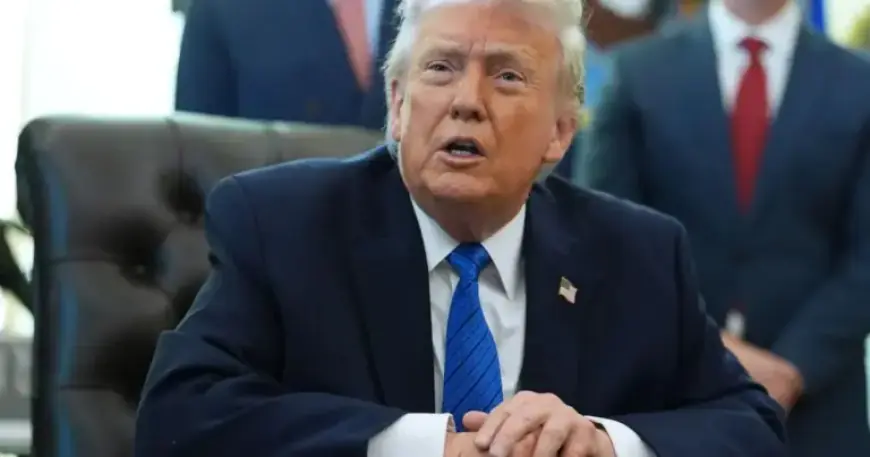
The recent executive order signed by President Donald Trump is poised to transform college sports across the United States. Its goal is to create a more structured environment by focusing on various issues such as player movement, name, image, and likeness (NIL) compensation, and the financial operations of athletic departments.
What the Executive Order Aims to Achieve
This executive order strives to restore “order and consistency” to college athletics. The reasoning behind it is that recent court rulings and state laws have loosened regulations regarding transfers, athlete compensation, and eligibility. This, the order asserts, has led to financial instability and competitive imbalance in the sports landscape.
Key Changes Proposed by the Order
Several significant provisions outlined in the order will impact athletes and college sports programs:
- Transfer Limits: Athletes can transfer once with immediate eligibility, with a second transfer allowed after completing their degree.
- Eligibility Window: A five-year participation limit is proposed, with specific exceptions for military or missionary service.
- NIL Restrictions: Payments exceeding “fair market value” may be considered improper, raising questions about athlete compensation.
- Agent Oversight: Introduction of a national registry for agents and possible limits on their commissions to enhance oversight.
The Compliance-Funding Connection
One of the most impactful aspects of this order ties college athletics compliance to federal funding. Federal agencies will look at whether educational institutions comply with eligibility limits, transfer rules, and compensation guidelines when awarding grants or contracts. This means that funding for research and defense contracts could hinge on athletic compliance.
Challenges Ahead
While the order outlines clear intentions, practical implementation may face hurdles. Many of the changes focus on athlete transfer limitations and compensation restrictions, which have already been legally contested with favorable outcomes for athlete autonomy. Furthermore, state laws vary significantly, complicating uniform compliance.
The timing of the executive order adds uncertainty, as the transfer portal is set to open soon, urging athletes to make decisions based on prevailing rules.
Future Directions
Although immediate changes within college sports won’t occur, many provisions of the order are scheduled to take effect on August 1. In the interim, federal agencies are tasked with developing related policies. Legal challenges are anticipated, especially about the president’s authority to enforce eligibility standards through federal means.
This landscape will demand that the NCAA and emerging governing bodies respond effectively. College athletic departments now find themselves at a crossroads: adhere to a new set of federal guidelines or risk losing critical funding. The efficacy of this executive order as a genuine solution to long-standing challenges in college sports remains to be seen, and its outcome may largely depend on judicial review.