























11 Careers Safe from AI Takeover

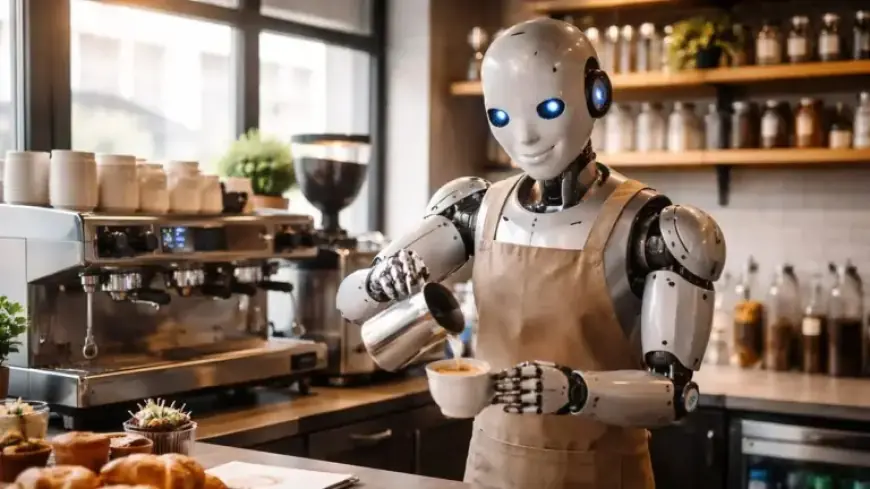
As artificial intelligence (AI) continues to evolve, concerns about job security in various sectors are becoming increasingly relevant. Many industries are integrating AI, prompting fears of significant job displacement. However, certain careers remain resilient against the influence of AI.
11 Careers Safe from AI Takeover
This article explores 11 professions that are less likely to be automated or replaced by AI. While technology advances, these careers require uniquely human skills, offering job security in an uncertain future.
1. Healthcare Professionals
- Doctors and nurses possess emotional intelligence and human interaction skills critical in patient care.
- Telemedicine and AI can support but not replace the human touch needed in healthcare.
2. Skilled Trades
- Electricians, plumbers, and carpenters rely on hands-on skills and adaptability.
- Complex repairs and installations require human judgment that AI struggles to replicate.
3. Creative Professionals
- Artists, writers, and musicians leverage creativity and emotional expression, areas where AI falls short.
- New forms of art relying on human perspective will continue to thrive.
4. Social Workers
- Social work demands empathy and a nuanced understanding of human behavior.
- Decision-making in sensitive situations is best left to trained professionals.
5. Educators
- Teachers foster critical thinking and social skills essential for student development.
- AI can assist in tutoring but cannot replace human mentorship.
6. Physicists and Chemists
- Research scientists analyze complex data and require intuition and creativity.
- Scientific exploration often leads to unpredictable results that demand human insight.
7. Legal Professionals
- Lawyers and judges engage in nuanced argumentation and ethical decision-making.
- The legal system requires interpretation and human judgment beyond AI capabilities.
8. Psychologists
- Mental health professionals offer support and therapeutic techniques unique to human interaction.
- AI tools can aid therapists but cannot fully replace the human element in treatment.
9. Management Consultants
- Consultants analyze business challenges and offer tailored solutions based on human experience.
- Complex interpersonal dynamics in organizations demand a human touch.
10. Human Resource Managers
- HR roles involve emotional intelligence in hiring, training, and conflict resolution.
- AI can assist with data but cannot engage with employees on a personal level.
11. Emergency Responders
- Firefighters, paramedics, and law enforcement officers face unpredictable and high-stress scenarios.
- Human quick thinking and decision-making are vital in emergencies.
In summary, while AI will undoubtedly transform several industries, these 11 careers appear to be secure in the face of technological advances. The need for human skills, creativity, and emotional intelligence remains unmatched, ensuring job stability in these fields even as automation becomes more prevalent.