





















Scotusblog: New York courts give Democrats go-ahead to redraw Malliotakis district

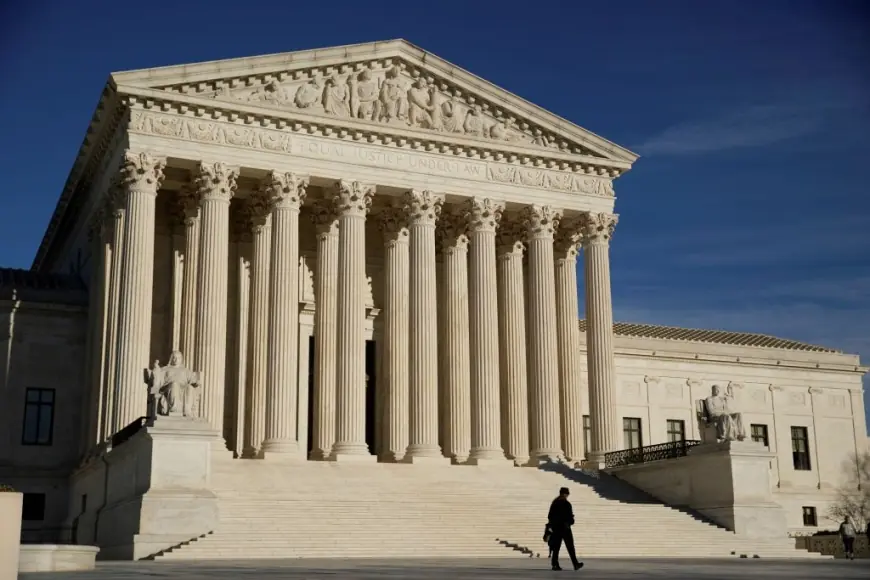
Two separate groups of New York voters and elected officials urged the Supreme Court to leave in place a Manhattan trial judge’s ruling that would bar the state from using its existing congressional map in the 2026 elections, a filing that scotusblog flagged as central to whether the high court can step into an active state-court redistricting fight. The filings come after a state judge ordered a redraw of the 11th Congressional District on racial-dilution grounds and set a tight timeline for the state commission to propose a new map.
Scotusblog on the ruling
Justice Jeffrey Pearlman of the New York Supreme Court, sitting as a trial judge, found that the boundaries of the 11th Congressional District diluted the votes of Black and Latino residents and barred the state from using the existing map in upcoming elections. Pearlman ordered the state’s independent redistricting commission to propose a new map by Feb. 6 (ET). Pearlman’s decision was issued on Jan. 21, 2026 (ET).
What the state judge ordered
The challenge began last fall when a group of voters contested the 11th District, which covers all of Staten Island and parts of southern Brooklyn. The challengers argued the district violated the state constitution by diluting the voting power of Black and Latino residents, who make up roughly 30% of Staten Island’s population. Pearlman agreed, concluding the map failed to give those voters an equal opportunity to elect a representative of their choice and enjoining use of the map for upcoming elections.
Arguments over Supreme Court review
Defenders of the existing map, including Rep. Nicole Malliotakis and several election officials, sought stays from two state appeals courts; the New York Court of Appeals said it lacked authority to hear the case, and the state’s intermediate appellate court denied the stay request on Feb. 19 (ET). The map’s defenders then asked the U. S. Supreme Court to step in and block Pearlman’s ruling, arguing the state decision conflicts with federal Equal Protection Clause precedent and warning it would force New York to alter the district by moving Black and Latino voters from elsewhere.
Two groups of voters and a separate group of state officials asked the Supreme Court to leave Pearlman’s ruling intact. The voters argued the matter lies outside the Supreme Court’s power to intervene in state-court proceedings in this posture, noting federal law permits the high court to pause only final state-court rulings the justices could review on the merits—and that only final judgments from a state’s highest court are reviewable on the merits. The voters wrote that no New York appellate court has finally resolved the federal issue raised by the defenders’ filing and warned that emergency relief granted now could encourage premature appeals to the Supreme Court.
- Key takeaways: the trial judge barred the current 11th District map for upcoming elections; the commission was ordered to propose a new map by Feb. 6 (ET); state appellate doors remained closed when the intermediate court denied a stay on Feb. 19 (ET).
What comes next
At the core is whether the Supreme Court will treat this as an emergency it can pause before the New York appellate process reaches a final resolution. Federal law limits the high court’s power to pause only those state-court rulings it could review on the merits, and the challengers emphasized that no final state-highest-court decision has resolved the federal question. If the justices decline emergency relief, the state-ordered redraw and the commission’s proposed map would proceed under the trial judge’s schedule. If the court grants relief, it would interrupt the state-court timetable and place the dispute on a faster national track.
The filings frame a narrow, procedural fight with wide practical stakes: whether the Supreme Court will intervene now or let the state appellate process play out before claiming jurisdiction over the federal issues the parties have raised. Observers will watch the court’s next move to see whether it accepts emergency action or waits for a final state-highest-court judgment; the parties have made the implications of either path explicit in recent filings, and the outcome will determine whether Pearlman’s order stands for the near term.
scotusblog coverage of the filings highlights the procedural posture as the decisive element in the dispute and underscores why the question of immediate Supreme Court involvement has become the focal point for both sides.