























More measles cases in London as Measles Outbreak Uk centers on Enfield and spreads to Haringey

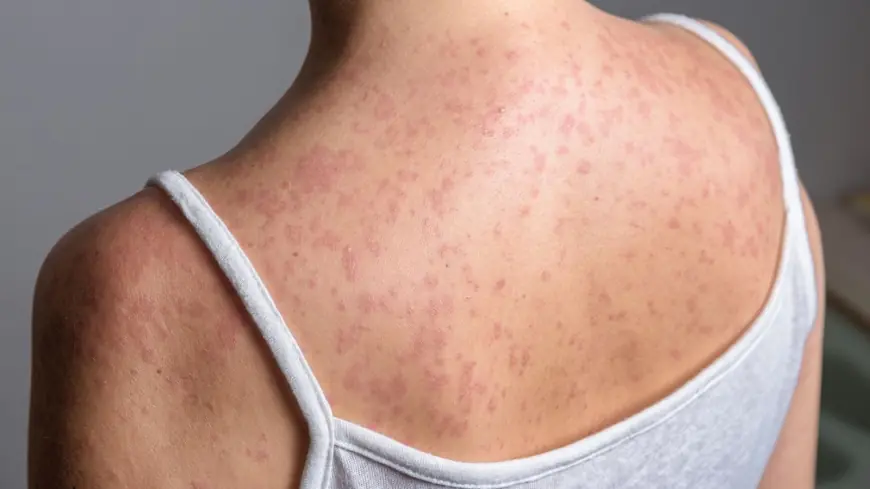
The measles outbreak uk has continued to expand in north London, with new case counts concentrated in Enfield and now recorded in neighbouring Haringey; the rise matters because local vaccination coverage is substantially below national averages and national authorities have already lost measles elimination status. New figures show clusters in schools and nurseries and have prompted local public-health measures and wider vaccination activity.
Measles Outbreak Uk: What happened and what’s new
Public-health figures show a cluster of recent cases in Enfield, including 16 newly recorded infections in that area in the most recent weekly count, and 10 newly recorded infections in neighbouring Haringey. Those increases bring one recent London total to 88 recorded cases since the beginning of the year, with the majority of infections occurring in children under 10.
Separate national surveillance figures covering 1 January to 16 February show 130 confirmed measles cases across England in that period, with 34 confirmed between 12 and 16 February. Within Enfield’s borough boundaries, 50 confirmed cases have been identified in the latest counts. Health officials note a lag in laboratory confirmation, meaning the number of current infections could be higher than confirmed totals.
Local measures have already included advising parents that children who are not fully vaccinated and who have been in contact with a measles case may be excluded from school. Vaccination activity has been taken into communities and into places of worship to increase uptake, and health bodies have highlighted catch-up clinics and a wider campaign to boost childhood vaccination rates.
Behind the headline
The outbreak is unfolding against a backdrop of falling vaccination coverage in parts of the country. National averages for a recent year showed overall coverage below prior targets, with London notably lower than the England average and specific boroughs recording even lower uptake: one borough’s rate stood in the mid-60s percentile while the England average for the same period was in the mid-80s percentile. Health professionals attribute gaps in protection to a mix of factors raised locally, including misinformation online, a degree of complacency about the illness, and uneven access or uptake; targeted vaccination drives are being deployed to address those gaps.
Key stakeholders include local councils and community groups working with national public-health agencies and health services, school and nursery settings where transmission has clustered, and parents of young children. Health services face the immediate operational task of delivering catch-up immunisations and managing cases, including some children who have required hospital care.
What we still don’t know
- The full current national total of active infections, given laboratory confirmation delays and differing tallies in recent datasets.
- How far and how quickly transmission will extend beyond the current clusters in north London to other boroughs and adjacent counties.
- Detailed demographic and geographic breakdowns beyond the broad age skew toward children under 10.
- The short-term impact of intensified local vaccination activity and school exclusion guidance on transmission rates.
- Whether there have been additional severe outcomes beyond the hospitalisations noted in recent briefings.
What happens next
- Containment near current clusters: If catch-up vaccinations and school exclusion measures raise immunity levels locally, transmission may slow and outbreaks could be confined largely to the current boroughs; the trigger would be measurable rises in local vaccine uptake and falling new-case counts.
- Gradual geographic spread: Continued low vaccination coverage could allow the outbreak to move into neighbouring boroughs and nearby counties, especially where communities have low two-dose coverage; rising confirmed case counts outside London would indicate this path.
- Increased hospital pressure: A sustained rise in infections among young children could lead to more hospital admissions, creating capacity and operational challenges for local health services; this would become evident through rising paediatric admissions linked to measles.
- Escalation of national campaign activity: The government’s wider vaccination campaign could be intensified or broadened if community-level interventions do not slow transmission; the trigger would be continued national case growth or evidence of spread to multiple regions.
- Longer-term loss of elimination status persists: Until transmission is reduced and sustained interruption is demonstrated, the country will remain without measles elimination status, with implications for public-health prioritisation and monitoring.
Why it matters
The immediate practical impact is on unvaccinated children and their families: measles is highly contagious and has led to hospitalisations in this wave. Low local vaccine coverage increases the risk of outbreaks in schools and nurseries and raises the likelihood of exclusion measures that disrupt education. For health services, the combination of higher case numbers and hospital admissions places additional strain on paediatric and community services already managing routine care and vaccination programmes. On the policy level, sustained transmission that led to the loss of measles elimination status underscores a need for renewed public-health effort to rebuild community immunity and reduce the risk of further spread.
For the public, the near-term priority is ensuring children and eligible adults receive missed vaccinations at available catch-up clinics and community events, while local authorities continue targeted outreach in the areas most affected.