






















Pokemon Fire Red and LeafGreen Return to Nintendo Switch as $19.99 Standalone Ports

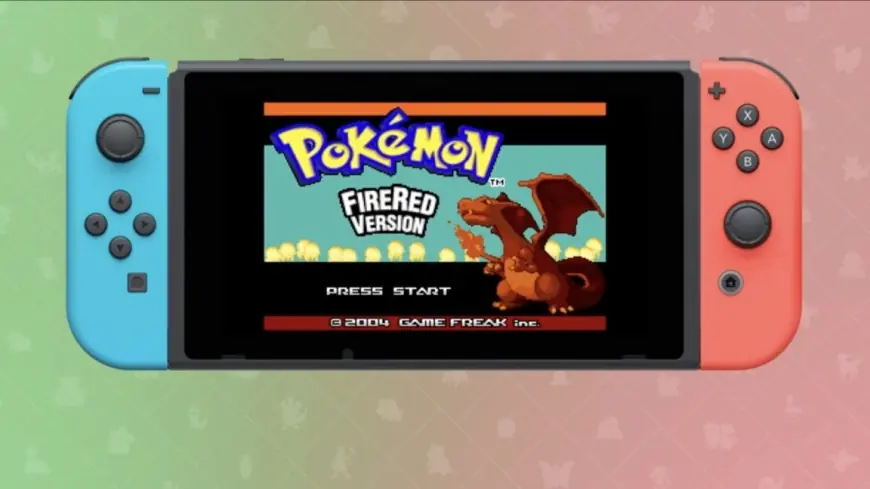
The classic Game Boy Advance remakes are coming back to current hardware: pokemon fire red and its companion LeafGreen will be reissued for the Nintendo Switch family, available as individual digital purchases and scheduled to be released after a planned livestream on Feb. 27. The re-releases are presented as largely faithful ports of the 2004 remakes and will be sold at a suggested retail price of $19. 99 each.
Pokemon Fire Red — What happened and what’s new
The games are digital-only reissues of the 2004 Game Boy Advance adaptations of the original 1996 titles, recreated for the Nintendo Switch systems and playable on the next-generation handheld as currently announced. These versions reproduce the GBA-era updates: the roster of the original 151 creatures, mechanics introduced during the GBA era such as abilities, natures, weather effects and held items, and the option to select the player character’s gender. They are described as mostly unmodified ports of the remakes.
Each title will be offered individually in English, French and Spanish language editions, with language versions sold separately. The digital releases are scheduled to become available after a planned Pokémon Presents stream at 9: 00 am Eastern on Feb. 27, and the games will also be sold at select retailers during launch week at the suggested retail price of $19. 99 (USD) apiece.
Multiplayer support for these Switch ports is limited to local wireless play rather than online matchmaking. The initial announcement included a note that support for a cross-game storage service would arrive “soon, ” but that reference was subsequently removed from the announcement.
Behind the headline
These reissues position the 2004 FireRed and LeafGreen remakes as direct, playable bridges between the franchise’s early titles and modern hardware. By offering the games as standalone purchases rather than including them in the existing subscription-based Game Boy Advance collection, the release model diverges from the approach used for other retro titles on contemporary platforms.
- Incentives: The standalone sale model makes the games immediately accessible to anyone with a Switch without requiring a subscription, and sets a clear retail price for legacy content.
- Constraints: The ports do not add online multiplayer functionality and appear to be close reproductions of the GBA releases rather than remasters with new features.
- Stakeholders: Players who want plug-and-play access to the GBA remakes gain a simple purchase option; subscribers to the Switch Online + Expansion Pack do not receive these titles as part of that service and therefore face a different cost calculus.
What we still don’t know and what happens next
- Missing pieces: Whether the removed note about storage-service compatibility will be reinstated, and if so, when support for transferring creatures to later titles will be enabled, remains unconfirmed.
- Missing pieces: Details about any platform-specific enhancements for the newer hardware are not provided; the ports are described as largely unmodified.
- Scenario — Gradual integration: The storage-service compatibility note could return in a future update, enabling transfers from these ports into later releases; trigger: a formal follow-up announcement clarifying connectivity plans.
- Scenario — Standalone legacy releases: The company maintains the standalone-sale approach and does not add online multiplayer or immediate cross-title transfer tools; trigger: no further updates before or after launch week.
- Scenario — Retail and language logistics: Retail availability and separate language editions proceed as stated, with players needing to confirm language version before purchase; trigger: release week listings from retailers reflecting separate language SKUs.
Why it matters
Near-term, players gain straightforward access to well-regarded GBA-era remakes on modern hardware for a predictable price, and newcomers can experience the early entry in the franchise’s lineage without legacy cartridges or adapters. For subscribers to the Switch Online + Expansion Pack, the decision to sell these titles individually changes the value proposition of the subscription when it comes to Game Boy Advance catalog access. Longer term, the release model and any subsequent decisions about storage-service integration will affect how legacy game libraries are monetized and connected to modern franchise ecosystems.
Practical implications focus on purchase choices at launch, the limitations of local-only multiplayer for remote play and the unresolved question of whether creature transfer to newer games will be supported in the near future.