











Former Sony CEO Recounts 2014 Hack and The Interview in New Memoir Excerpt

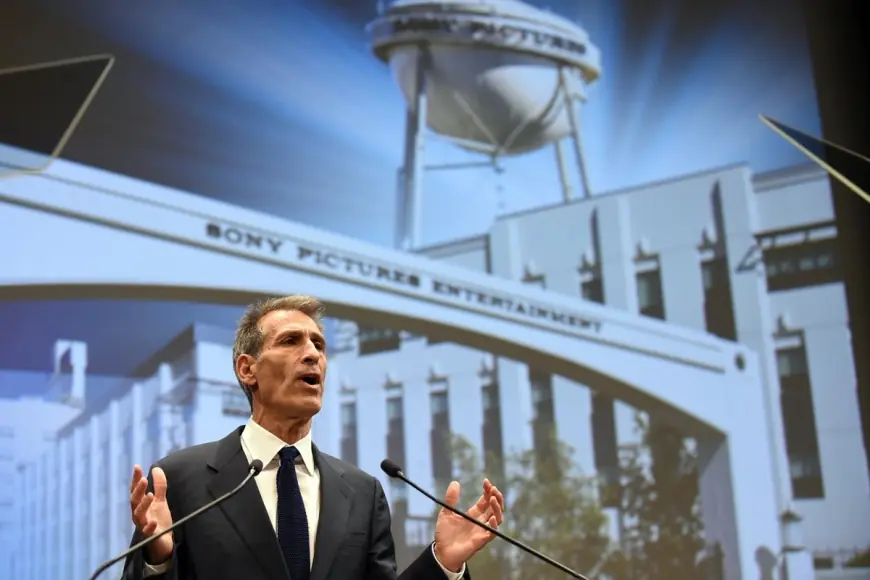
In an excerpt from his forthcoming book, former Sony Entertainment chief Michael Lynton opens a window on the 2014 cyberattack and the studio choices that preceded it, including the decision to back the Seth Rogen film the interview. His account ties a career misstep directly to the operational and personal fallout that followed.
Why The Interview became a flashpoint
Lynton frames the choice to greenlight The Interview as the product of industry pressures and personal vulnerability. He describes Rogen’s projects as highly sought after inside the studio system and says an entrenched rivalry between two senior executives at competing studios pushed executives to act quickly to secure the film. A full-cast table read helped clinch the decision for him and a co-chair colleague, and Lynton admits he bypassed normal approval processes, rushing into the project while eager to outflank competitors.
He calls that decision the biggest mistake of his career. Lynton links his willingness to cut corners to a longer arc of seeking acceptance within Hollywood circles, a theme he revisits in the memoir as he reflects on how personal history shaped his professional judgment.
Inside the 2014 hack and its operational fallout
Lynton recounts being warned on November 24, 2014 that something was wrong with studio IT systems. When he arrived at work he learned that roughly 70 percent of the company’s servers were damaged beyond repair. The failure left the studio unable to make, edit or release films, use email, or access financial records and production systems.
- Immediate impacts: inability to produce or distribute films, and loss of email and production systems.
- Scale of damage: roughly 70 percent of servers rendered unusable.
- Data exposure: stolen emails, confidential scripts and personal information were released.
As the crisis unfolded, hackers released troves of internal communications that exposed embarrassing judgments and private details, including information tied to Lynton’s family. The attack also made previously private creative materials public, with pirated films and blockbuster scripts being distributed through sites that encouraged users to engage with a provocative prompt tied to the studio’s name.
It was later attributed to a hostile foreign actor, and Lynton draws a line from the studio’s decision-making around the film to the intensity of the backlash that followed.
Lynton’s personal reckoning and the memoir’s arc
The excerpt situates the Sony crisis within a personal story. Lynton portrays himself as a product of a nerdy, somewhat lonely childhood and recounts a move in childhood that left him isolated and struggling with language. He suggests that those early experiences helped create a lifelong hunger for acceptance that shaped how he navigated Hollywood power dynamics.
The memoir’s title frames the book’s intent: to own past mistakes so they do not define the future. In the excerpt, Lynton uses the studio’s choice to make the film the interview as a central example of how ambition, competitive pressure and lapses in internal process combined to produce consequences that rippled across careers and operations.
The account is part personal confession and part corporate postmortem. It underscores two linked takeaways: that high-stakes creative decisions can have unforeseen geopolitical and operational consequences, and that leaders may find themselves accountable not only for strategic outcomes but for the cultural and procedural choices that preceded a crisis. Lynton frames his reflections as a deliberate effort to reckon with those choices and to extract meaning from the fallout.
Readers should expect the full memoir to expand on these themes; the excerpt offers a concentrated look at one episode where personal ambition, studio rivalry and a catastrophic breach converged with lasting repercussions.