

























Aliens File Release Moves to Center: Trump Orders Declassification, Shifting Transparency and Security Debate

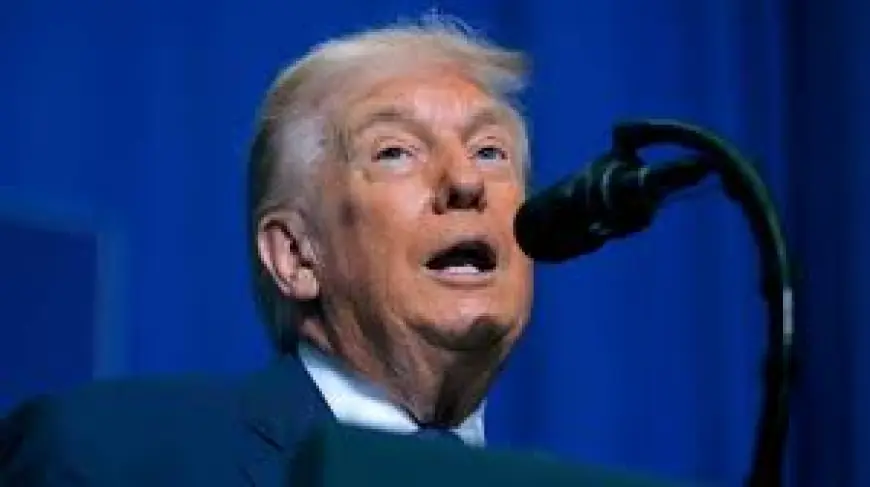
By pushing agency heads to begin identifying and releasing government files on UFOs and aliens, the administration has turned speculation into an operational problem: what will be declassified, who will vet it, and how fast material reaches the public. The directive—announced after a high-profile comment by a former president—reshuffles priorities around transparency, legal review and national security considerations in the weeks ahead.
Aliens disclosure: immediate consequences for transparency, review timelines and public access
Here’s the part that matters: the order forces agencies to choose between accelerating public access and preserving classified equities. Congressional interest, public curiosity, and reports from pilots and service members all raise pressure to move quickly; at the same time, legal and security reviews will be needed before anything sensitive can be released. That tension will determine whether the outcome is a scatter of partially redacted files or a coherent public release.
Groups that will feel the effects first include agency personnel responsible for records review, members of Congress who have pushed for more answers, and communities following UAP reports—pilots, veterans and investigators. The real question now is how agencies will balance speed with the review processes required to guard operational or sensitive information.
What's easy to miss is that a directive to "identify and release" does not itself set a declassification timeline; it begins a process that could unfold slowly if interagency checks are required.
Order specifics and unresolved details
The directive asked Defense Department leadership and other agency heads to begin identifying files related to UFOs, extraterrestrial life and connected material for public release. It is not clear what records exist, what they would show, or how much would be cleared for public view. A 2024 military report found no evidence that government investigations had confirmed extraterrestrial life, and the office tasked with reviewing anomalous events said it discovered no evidence of extraterrestrial beings, activity or technology and had no indication these activities were attributable to foreign adversaries.
Public interest in unidentified aerial phenomena has increased in recent years as pilots and military personnel reported hundreds of unexplained sightings. Some incidents have generated high-profile material: one lawmaker released a whistleblower video showing a government missile striking an unidentified glowing orb and failing to destroy it, and a former Navy pilot publicly recounted frequent sightings of fast-moving objects in restricted airspace. Many reported events have conventional explanations—birds, balloons, drones, satellites—yet some cases remain unresolved.
The directive followed remarks from a former president that stirred public attention; in response, the current order criticized those remarks as revealing classified information and suggested declassification could be used to address the matter. The executive move shifts the focus from commentary to institutional action.
- Micro Q& A
- Q: Will all files be released immediately? A: The directive starts the identification process; what is cleared for release and the timing remain unresolved.
- Q: Do current official reports confirm extraterrestrial visitation? A: A 2024 report found no evidence that investigations had confirmed extraterrestrial life.
- Q: Could releasing files create security risks? A: Review processes will be needed to protect any operational or classified information before public release.
A short timeline helps frame the shift: a 2024 military report found no evidence of confirmed extraterrestrial life; a former president made public remarks about aliens that drew attention; days later, the current order directed agencies to identify and prepare files for release. That sequence moved public debate from isolated comments to formal declassification activity.
Expect the coming days and weeks to reveal whether this directive produces a substantive public release or a cautious, incremental set of redacted documents. If agencies move quickly, the public will soon see what records exist and what they include; if reviews slow the process, the directive may have more symbolic than practical effect.
Questions about the scope, clearance process and potential national security considerations are developing and may change as agencies act. Details remain limited and the process is ongoing.