






















Iftar times for major Turkish cities announced in Diyanet 2026 imsakiye; key daily schedules for Istanbul, Ankara, İzmir and Bursa

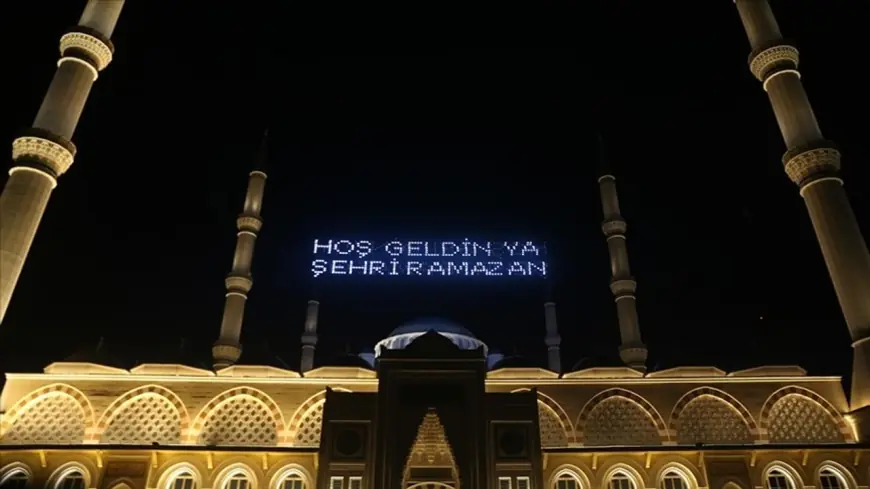
The Diyanet İşleri Başkanlığı’s 2026 Ramazan imsakiye establishes the official daily prayer timetable for the month, and on 20 February 2026 many municipalities will follow the published schedule for iftar and related prayers. The imsakiye lists city-by-city iftar times that residents use to plan evening observances and daily routines.
What happened and what’s new — Iftar times
Confirmed in the 2026 Ramazan imsakiye, the evening (akşam) ezan times for 20 February 2026 (Friday) are set for major cities as follows: Istanbul at 18: 51 ET, Ankara at 18: 36 ET, and İzmir at 19: 01 ET. Those times reflect the official calendar published for the Ramadan period and are intended as the reference for breaking the daily fast.
For Bursa, the published imsakiye provides a day-by-day schedule for the opening days of Ramazan. The calendar records the first day as 19 February 2026 (Thursday), with imsak at 06: 21 ET, iftar at 18: 50 ET and yatsı at 20: 09 ET. The second day, 20 February 2026 (Friday), lists imsak at 06: 20 ET, akşam (iftar) at 18: 51 ET and yatsı at 20: 10 ET. The imsakiye continues with the following early sequence for days three through six: 21 February imsak 06: 19, iftar 18: 52, yatsı 20: 11; 22 February imsak 06: 17, akşam 18: 54, yatsı 20: 12; 23 February imsak 06: 16, iftar 18: 55, yatsı 20: 13; 24 February imsak 06: 15, akşam 18: 56, yatsı 20: 14 (all times expressed in ET).
Behind the headline
The imsakiye from Diyanet İşleri Başkanlığı functions as the official timetable for sahur and iftar throughout Ramazan and is the primary reference for residents in each province. Geographic differences across provinces and even within large cities produce minute variations; the calendar notes that within a single city there can be differences of several minutes between districts. The timing is used by worshippers, municipal services and organizations that schedule communal prayers and evening services.
Key stakeholders include individuals observing the fast, mosque administrations coordinating ezan and prayer times, and municipal or community groups that organize communal iftar events. The published schedule gives those actors a coordinated baseline for planning. Incentives for timely publication include ensuring uniformity for religious observance and enabling households to plan meals and transportation around prayer times.
What we still don’t know
- Whether any local districts within the listed cities will publish district-level minute adjustments to the published city times.
- Whether municipal authorities will announce organized communal iftar events or changes to mosque schedules tied to local conditions.
- Any additional revisions to the imsakiye for days beyond those explicitly listed for Bursa in the early sequence provided.
- How municipal services will manage evening traffic or public transport around the listed iftar times.
What happens next
- Routine observance: Individuals and mosque administrations will follow the published imsakiye for sahur and iftar schedules; trigger: daily adherence to the listed times.
- Local refinements: District offices could publish minute-level adjustments for specific neighborhoods; trigger: municipal announcements or mosque bulletins.
- Event coordination: Community groups may schedule iftar gatherings aligned to the published akşam ezan; trigger: local event notices and facility availability.
- Service adjustments: Municipal transport or city services may alter evening operations to accommodate increased movement around iftar; trigger: municipal advisories.
Why it matters
Practical impact is immediate for individuals observing the fast and for organizations that coordinate evening worship and communal meals. Accurate imsakiye times help avoid confusion, support synchronized prayer calls and allow households to plan meals and childcare. Near-term implications include operational planning by mosques and community centers and potential minor adjustments in local services timed around iftar.
The published 2026 imsakiye establishes a common schedule intended to minimize uncertainty for the month; municipalities and community actors will determine whether localized adjustments or event planning are required in the coming days.