

























Keely Hodgkinson's record reshapes women's indoor 800m — who feels the impact first and why it matters

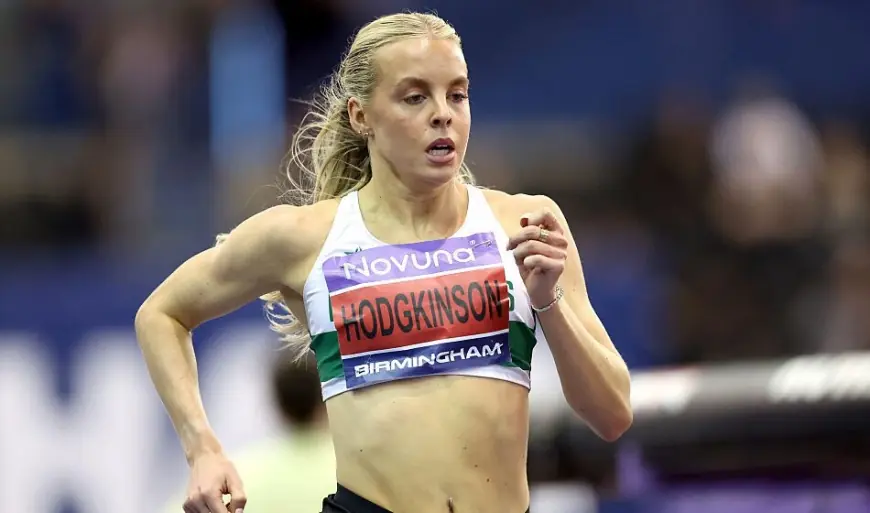
For competitors, national programs and the championship calendar, the implications are immediate: keely hodgkinson's run in Liévin changed the target times and the psychological landscape of the event. By lowering a world indoor mark that had stood since 2002, she has shifted expectations for rivals and national selections while accelerating conversations about indoor pacing and record-era legitimacy.
Keely Hodgkinson — immediate ripple for rivals, national marks and championship targets
Hodgkinson crossed the line in Liévin with a time of 1: 54. 87, shaving almost a full second off the prior indoor world record of 1: 55. 82 from 3 March 2002. The victory landed on the heels of a British indoor 800m performance she posted five days earlier, a clear signal that her form was peaking. As an Olympic champion who has recovered from two serious hamstring injuries, her run alters how competitors will plan pacing and selection in the coming indoor and championship seasons.
Here’s the part that matters for immediate stakeholders: national teams and meet organizers now must account for faster qualifying marks and the possibility that championship races will be run at a higher early pace. Pacesetters and race planners — and the athletes who rely on them — are the first to feel that shift.
Event details and the race dynamics behind the record
The line-up in Liévin included Olympic medallists and recent season leaders. Poland's Anna Gryc was assigned a 55. 8 split through halfway; Hodgkinson reached 400m in 55. 56 and then pushed clear, staying ahead of the green wavelights that marked the target time. Audrey Werro and Tsige Duguma were among the other front-line competitors in the race that produced the new benchmark.
The mark ended a long-standing indoor record and did so against a backdrop of controversy around the earlier performances that had set the standard. The previous top times had been shadowed by later two-year doping bans for two athletes who were ahead on the all-time list, which had left that record under scrutiny for years. Hodgkinson's performance now places a new, uncontested numeric target on the board for rivals.
- Time layer: 1) 3 March 2002 — previous indoor standard set at 1: 55. 82; 2) Hodgkinson ran 1: 56. 33 in Birmingham five days before Liévin; 3) Liévin — new indoor world record of 1: 54. 87.
It’s easy to overlook, but this record is as much about timing and recovery as pure speed: Hodgkinson recovered from significant hamstring setbacks, used strength and gym work to reshape her profile (earning a training-era nickname of 'Keely 2. 0'), and returned to podium form after a long enforced racing gap.
- Faster benchmarks mean selection panels and meet directors will be re-evaluating standards for indoors.
- Rivals who relied on conservative pacing may need to adjust early-race tactics to remain competitive.
- Athletes who target both indoor and outdoor milestones now face a compressed timeline for peaking and recovery.
- Confirmation of sustained momentum will come if keely hodgkinson posts comparable times at upcoming championship events or in match races with the season’s fastest challengers.
The real question now is how quickly other top athletes respond and whether championship races will turn into time trials or tactical contests. If pacing models shift toward faster early splits more regularly, the shape of middle-distance racing this season will look different than recent years.
Writer's aside: The bigger signal here is less the single clocked time and more the combination of recovery, gym-driven power gains, and tactical confidence that produced it — those elements suggest this is not a one-off spike but a recalibration of an athlete's peak profile.
What could confirm the next turn: repeated sub-1: 56 performances by Hodgkinson at championship meets and head-to-head battles where she is forced to respond to fast early splits. Recent race choices and the presence of high-calibre opponents in the line-up will help clarify whether this establishes a new era of indoor 800m racing or stands as a singular breakthrough.