














Judge Denies Immunity in Stand-Your-Ground Hearing, Allowing Scott Spivey Wrongful-Death Suit to Proceed

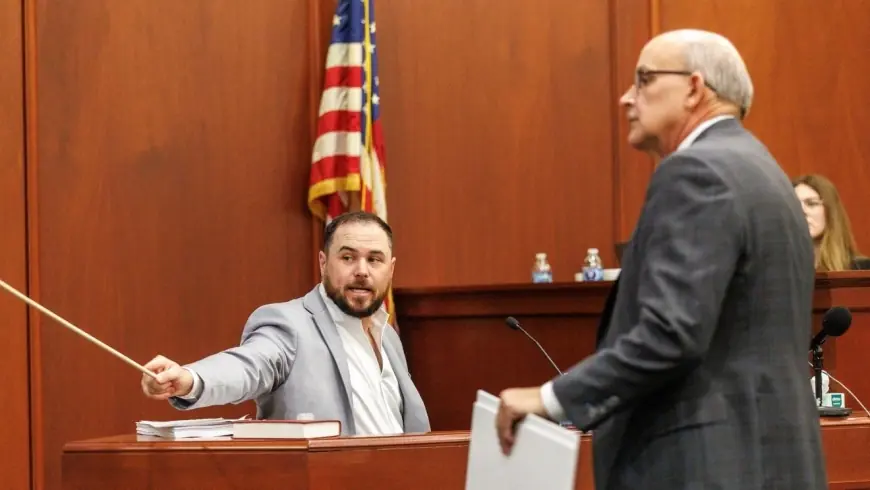
The judge presiding over the stand-your-ground hearing denied Weldon Boyd's request for immunity in the civil wrongful-death case, a decision that allows the lawsuit connected to the fatal shooting of scott spivey to move forward and preserves a potential grand-jury review announced earlier this year. The ruling marks a pivotal procedural outcome that shapes both the civil litigation and any related criminal review.
What happened in the Scott Spivey case
The multi-day hearing concluded with the judge refusing to grant immunity to Weldon Boyd, who along with his passenger, Kenneth "Bradley" Williams, has said they fired in self-defense in the shooting that killed scott spivey following a road-rage incident along Camp Swamp Road in the Longs area. The judge left undecided whether to grant immunity to Williams and indicated he was still considering that question.
The hearing included testimony from Boyd and video deposition testimony from an expert who analyzed in-vehicle audio; the expert was asked whether vehicle soundproofing could have caused some gunshots to be undetected in the recordings. The judge questioned Boyd's credibility, noting contradictions in his testimony and his post-incident behavior. The judge said he was more inclined to believe Williams's statements than Boyd's.
Earlier in February, the Seventh Circuit Solicitor's Office confirmed that a state grand jury would review the matter. Had the judge granted Boyd immunity under the state's stand-your-ground framework, that grand-jury proceeding would have been dismissed. Because immunity was denied for Boyd, the grand-jury review remains a possible next step in the criminal context. Boyd and Williams have not been criminally charged; the family's civil wrongful-death lawsuit will now continue in court.
Behind the headline
The hearing has centered on whether the use of deadly force in this case qualifies as lawful under the state's stand-your-ground statute. That legal determination has immediate procedural consequences: immunity in the civil case would have effectively foreclosed any related criminal indictment by ending the grand-jury process. The judge's assessment of witness credibility, the recorded evidence presented at hearing, and the handling of the initial investigation have driven the court's focus.
Key stakeholders include the Spivey family, whose wrongful-death suit will proceed; Boyd and Williams, whose legal exposure differs depending on the final immunity determinations; and the Seventh Circuit Solicitor's Office, which is positioned to present facts to a grand jury. The investigation itself and the stepped-down involvement of a former law enforcement official have been a focal point: a call the morning after the shooting revealed that a former deputy chief sent the lead investigator to the scene, referred to that investigator with a colloquialism, and said Boyd was "taken care of. " The former deputy chief later resigned amid allegations of misconduct tied to the case, and the family has expressed concerns that the investigation was mishandled from its outset.
What we still don’t know
- Whether the judge will ultimately grant immunity to Kenneth "Bradley" Williams; that decision remains pending.
- Whether the state grand jury will convene and, if it does, whether it will return any indictments.
- Complete details of the in-vehicle audio analysis and whether any potentially undetected shots will change the factual record.
- What, if any, additional investigative or disciplinary findings will emerge related to the initial police handling and the former deputy chief's actions.
What happens next
- Grand-jury review proceeds: The solicitor's office moves forward with the convening of a state grand jury; trigger—grand jury receives the presented facts and decides whether to indict.
- Judge grants Williams immunity: If the judge later grants immunity to Williams, the civil case would continue as to Boyd only, and some criminal avenues could be narrowed; trigger—final ruling on Williams.
- Judge denies Williams immunity: A denial would leave both men exposed to potential grand-jury indictment and allow the civil suit to proceed against both; trigger—final ruling on Williams.
- Civil trial progress: With immunity for Boyd denied, pretrial litigation in the wrongful-death suit moves forward, including discovery and potential settlement talks; trigger—scheduling orders from the civil court.
- Investigative developments: Further disciplinary or investigative findings related to the initial law-enforcement response could influence public confidence and prosecutorial choices; trigger—official investigative or disciplinary releases.
Why it matters
The judge's denial of immunity for Boyd carries immediate legal and practical consequences: it permits the Spivey family's wrongful-death suit to proceed and preserves the ability of prosecutors to seek review by a state grand jury. For the parties directly involved, the decision shapes their exposure to civil liability and possible criminal indictment. For the broader community, questions about how the initial investigation was handled and the actions of a former law enforcement official undercut confidence in the process and raise oversight concerns.
In the near term, the case will continue to unfold through further court rulings and possible grand-jury action, with each development determining whether the matter remains purely civil or also moves into the criminal system.