





















Nasa Artemis Ii Launch Pad Operations Begin After Successful Fuel Test

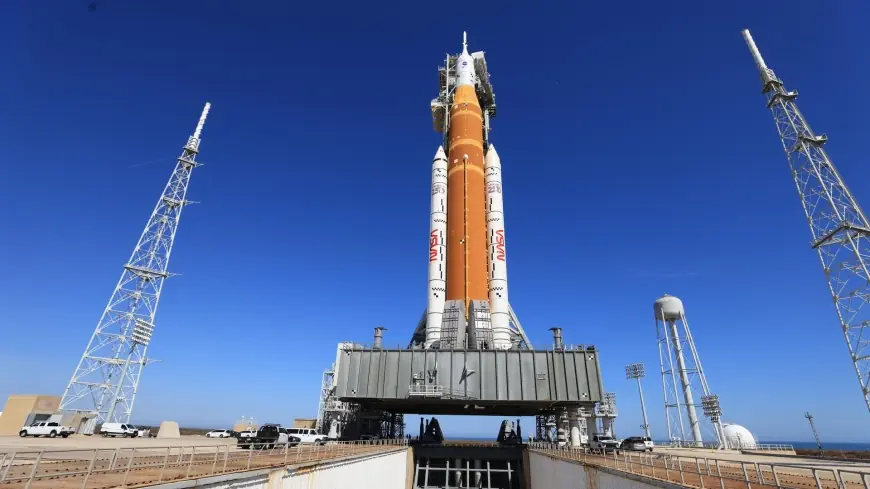
Nasa Artemis Ii moved into launch pad operations after engineers completed a wet dress rehearsal that successfully fueled the Space Launch System rocket and exercised key launch countdown activities; the milestone matters because it preserves a March launch window while teams review test data and ready additional pad work and safety checks.
Nasa Artemis Ii: What happened and what’s new
Engineers completed a wet dress rehearsal at the launch site, loading more than 700, 000 gallons of liquid propellant into the SLS rocket and running terminal count operations that simulate the final phase of a launch countdown. A closeout crew demonstrated closing the Orion spacecraft hatches and the mission crew observed part of the test from the Launch Control Center.
Teams closely monitored liquid hydrogen fueling, an area that proved challenging in an earlier rehearsal. During this run, hydrogen gas concentrations stayed below allowable limits, boosting confidence in newly installed seals on an interface used to route fuel to the vehicle. Early in fueling operations, the Launch Control Center experienced a temporary loss of ground communications; operators switched to backup methods to maintain safe propellant loading before normal channels were restored and engineers isolated the equipment that caused the interruption.
As technicians prepare for pad work, cranes will be used to install temporary access platforms on the mobile launcher. The platforms are designed to let teams reach upper segments of the solid rocket boosters and the core stage intertank to service and retest the flight termination system while the vehicle remains at the pad, rather than rolling back to the assembly building. The closeout crew will also rehearse closeout operations again to build proficiency.
The crew is set to enter pre-flight medical quarantine late Friday in Houston to limit exposure to illness and preserve flexibility within the March launch window. No formal launch date has been announced while engineers analyze the wet dress rehearsal data.
Behind the headline
The wet dress rehearsal combined hardware checks, fueling operations and launch-countdown procedures intended to mirror an actual launch sequence. The rehearsal aimed to validate fixes that addressed earlier fueling challenges and to confirm the readiness of pad operations and safety systems. The decision to install temporary access platforms reflects lessons learned during a previous mission stage, enabling end-to-end safety testing without a rollback.
Primary incentives for completing the rehearsal and moving into pad operations include preserving the available launch window and demonstrating system fixes for liquid hydrogen handling. Constraints include strict safety limits for hydrogen concentrations, Eastern Range requirements for a flight termination system, and the need to verify communications reliability. Key stakeholders are the mission engineering teams, technicians who will perform pad servicing, the crew whose quarantine is tied to launch timing, and range safety officials who must clear the vehicle for flight.
What we still don’t know
- Final conclusions from the rehearsals' data review and any additional corrective work required.
- Whether the flight termination system retests at the pad will fully satisfy Eastern Range safety requirements.
- Specific details about the communications equipment fault that interrupted ground communications and whether further faults exist.
- The final, formal launch date and how quickly remaining pad tasks will be completed.
- Any additional actions engineers may take if follow-up testing reveals unresolved issues with fuel seals or interfaces.
What happens next
- Data review clears vehicle and systems: Teams finish analysis, retests confirm safety system readiness, and the mission proceeds toward a March launch window as the crew remains in quarantine.
- Additional pad servicing required: Temporary platforms are used for flight termination system work; if further adjustments are needed, pad work could extend the schedule before a launch date is set.
- Communications remediation: If the isolated equipment proves to be an isolated fault, teams return to standard operations; if broader communications problems are found, additional troubleshooting and possibly further tests will be needed.
- Range clearance contingency: Eastern Range retests pass and safety approvals follow; if they do not, a rollback or extended on-pad campaign could be required to meet range criteria.
- Crew health triggers schedule changes: Any health or quarantine issues could prompt a schedule shift to protect crew readiness and mission safety.
Why it matters
The successful wet dress rehearsal and the shift to launch pad operations materially affect near-term mission tempo. Keeping hydrogen concentrations within allowable limits and validating new seals addresses a key technical risk that had disrupted an earlier rehearsal; resolving that risk is central to meeting the planned launch window. The ability to perform full safety-system retests at the pad using temporary platforms reduces the logistical burden of rolling the vehicle back for troubleshooting and could shorten turnaround time if tests pass. For the crew and mission planners, the rehearsal’s outcome enables the start of quarantine and preserves operational flexibility while engineers complete final checks. More broadly, these steps are positioned as part of a sequence intended to prepare for future crewed lunar missions and subsequent deep-space exploration goals.