






















Being Gordon Ramsay review: Tilly Ramsay features heavily as six-part series chronicles multi-restaurant gamble at 22 Bishopsgate


Being Gordon Ramsay, the six-part documentary now on Netflix, places tilly ramsay among the most visible of the chef’s older children while it follows his effort to open multiple dining concepts in a London skyscraper. The series functions as both a behind‑the‑scenes record of a complex hospitality launch and a deliberate piece of brand building.
What happened and what’s new
The series spans six episodes and documents Gordon Ramsay’s attempt to bring five separate dining concepts to the top floors of 22 Bishopsgate. Confirmed elements include plans for a rooftop garden with a retractable roof, a 250‑seat Asian‑influenced venue called Lucky Cat, a Bread Street Kitchen brasserie, a private dining offering under the chef’s name, and a culinary academy. The project occupies multiple floors and extensive square footage in the tower and is presented as a large, personally funded venture with additional bank financing.
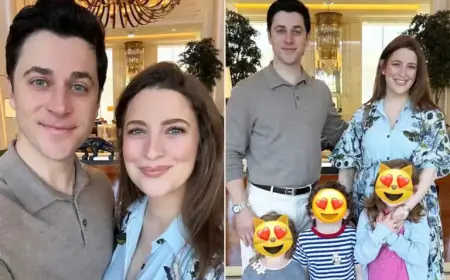
The film mixes professional pressure with family life. It shows the chef at work guiding menus, interior choices and service details while also capturing domestic moments with his wife and children. Tilly Ramsay is shown frequently, including scenes of the chef driving her to culinary school, making her one of the more prominent siblings in the series. Two of the eldest children do not appear: one works in law enforcement and the other serves in the armed forces, and their absence is explained in the series as a matter of professional commitments and safety considerations.
Tilly Ramsay’s role in the series
Tilly Ramsay emerges as the most visible of the older children in the footage presented. The documentary includes intimate family scenes alongside the business narrative, positioning Tilly as a recurring presence during moments that contrast the pressures of opening multiple venues with quieter domestic life. That balance—professional intensity against family warmth—is a throughline of the series.
Behind the headline
The series is framed in ways that underline both commercial ambition and personal stakes. Executive production involvement from the chef and use of his production company mean the project doubles as a promotional showcase, highlighting the curated aspects of creating multiple restaurants at once. The scale of the undertaking—designing distinct concepts, finalising menus, and resolving fit‑out details such as seating choices and staff kit—creates numerous tension points that drive the narrative.
Stakeholders here include the chef as brand owner and investor, the teams tasked with launching the concepts, financial backers who provided bank assistance, and family members who appear on camera. The series makes clear the upside for the chef in terms of expanding his branded footprint and reaffirming a public persona; it also exposes the operational risks inherent in opening several venues simultaneously.
What we still don’t know
- Final commercial performance of the new venues following the documentary’s timeline.
- Longer‑term critical reception and customer response beyond the footage captured.
- Detailed financial terms of investment and the extent of outside financing beyond the broad outline given.
- How the absence of two children will affect family representation in any follow‑up coverage or promotion.
- Whether any operational issues shown in the series led to changes after filming concluded.
What happens next
- Commercial success scenario: the venues stabilise, attract clientele and validate the investment, triggering additional branded openings or extensions. Trigger: sustained bookings and positive customer feedback.
- Underperformance scenario: one or more concepts struggle, requiring rework, further investment or closures. Trigger: persistent operational shortfalls or poor revenue versus targets.
- Brand amplification scenario: the series boosts public interest in the chef’s broader global projects, aiding other partnerships and premium experiences. Trigger: heightened social attention and demand for high‑end events tied to the chef.
- Operational learning scenario: documented teething problems lead to process changes that improve future openings and staff training. Trigger: internal reviews and subsequent openings adopting revised protocols.
Why it matters
For audiences, the series offers a window into the logistics of launching multiple high‑end concepts at once and the personal toll that scale can exact. For the hospitality industry, it is an example of how ownership, branding and media exposure intersect when an established figure leverages a documentary to showcase an expansive project. Near term, viewers will likely judge the venture on its visible attention to detail and whether the on‑screen ambitions translate into consistently executed dining experiences.