













Finley Melville Ives left needing urgent medical attention as top Kiwi medal prospect crashes out of freeski halfpipe qualifying

Who feels it first: family, a small national team and the freeski halfpipe field. Finley Melville Ives's crash shifts immediate focus away from competition and onto recovery, erasing a major medal contender from qualifying and creating an abrupt gap in the event story. That loss reverberates most directly with those watching in the stands and the circle of people who travel with elite athletes.
Immediate impact for Finley Melville Ives, family and Kiwi medal hopes
Finley Melville Ives was described as a top Kiwi medal prospect and a world champion before the incident; the crash removed that presence from the qualifying roster and left the athlete needing urgent medical attention while family watched. The most tangible short-term effect is on the athlete’s health and the emotional toll on relatives and supporters who witnessed the fall.
Here’s the part that matters: the event no longer centers on podium calculations but on medical response and wellbeing. That will alter how the freeski halfpipe competition is covered, discussed among competitors, and processed by fans who had expected to see a leading figure contend for medals.
What unfolded in freeski halfpipe qualifying
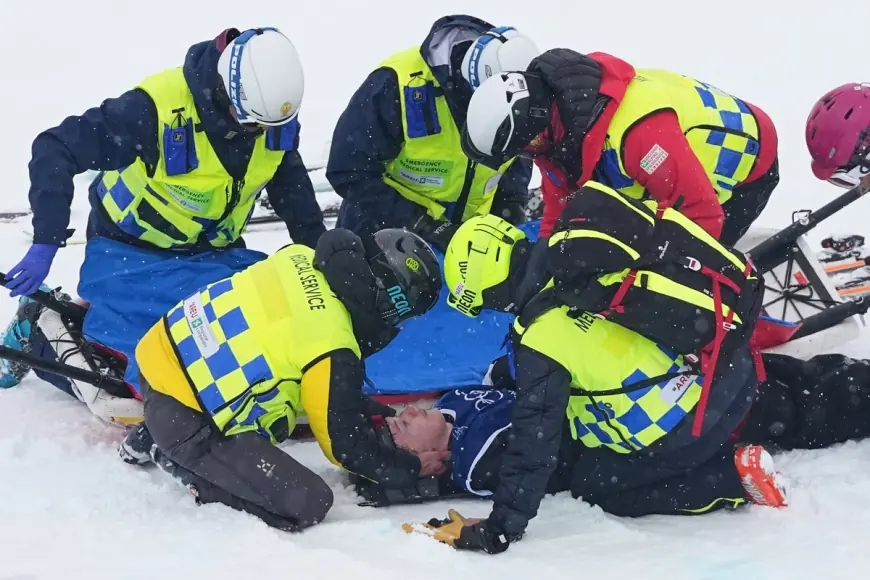
During freeski halfpipe qualifying, Finley Melville Ives suffered a horror fall and crashed out of the session. The aftermath required urgent medical attention for the athlete while family members were present and watching. The incident ended the athlete’s run in qualifying and converted a competitive moment into a medical emergency rather than a results headline.
- Finley Melville Ives was eliminated from freeski halfpipe qualifying after the crash.
- The fall was characterized as a horror crash and necessitated urgent medical attention.
- Family members were watching at the time and saw the incident unfold.
- The athlete had been identified as a top Kiwi medal prospect and as a world champion prior to the crash.
It’s easy to overlook, but the presence of family at an elite event can intensify scrutiny and emotional fallout when an injury occurs; that combination tends to shape both immediate response and public memory of a competition day.
The real question now is how the athlete’s team will manage the next steps for recovery and how the freeski halfpipe field will recalibrate in the short term without a leading contender. Immediate priorities are medical care and stabilizing the situation for everyone directly affected.
Key indicators that will clarify the next phase include confirmation of the athlete’s condition, updates on fitness for future competition, and any official adjustments to roster or starting lists. Recent coverage emphasized the severity of the fall and the emotional scene as family watched, which changes the narrative arc of this Olympic event from competitive drama to a focus on wellbeing.
Outcome timelines and exact medical details were not provided in initial accounts; those elements may evolve as official updates are released. For now, the competing field must proceed without a top prospect who had been expected to contend for medals.