















Punch Monkey: The Lonely Baby Macaque and the Stuffed Orangutan That United a Global Audience

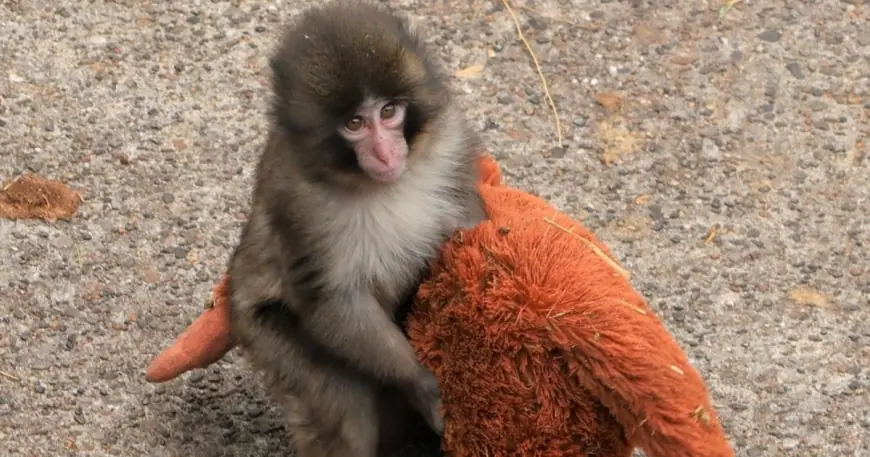
The story of the punch monkey — a baby macaque who was abandoned by his mother and given a stuffed orangutan for comfort — has become an unexpected global bright spot. Viral posts and a zoo-started hashtag brought attention to the youngster, and recent footage suggests he is beginning to find his place among the troop.
Punch Monkey: Early life, abandonment and the comfort toy
Born in July 2025 at a municipal zoo outside Tokyo, the macaque, known locally as Panchi-kun and widely referred to in English as Punch, was abandoned by his mother soon after birth. Zoo staff consider difficult labor during a heat wave the most likely reason for the abandonment, and keepers stepped in to nurse him.
Reintroduced to the zoo’s monkey enclosure, called monkey mountain, the infant struggled to integrate without maternal guidance. Videos shared as part of the unfolding story showed him often playing alone or being swatted away when he approached other macaques.
To help with both comfort and physical development, caretakers provided Punch with a small stuffed orangutan toy. The toy served as a substitute for the security and muscle-building that infants normally get from clinging to a mother; the young macaque cuddled, tugged and dragged the plush around the enclosure as if it were a companion.
Signs of progress and growing public interest
As the posts about Punch circulated, a zoo-created hashtag, #HangInTherePunch, amplified attention and drew fans from many countries. The macaque’s story became a source of solace for those following along during intense current events, and posts showing moments of connection drew particular enthusiasm.
More recently shared clips document encouraging behaviors: Punch climbing on another monkey's back, receiving grooming, sitting near adult macaques and accepting a hug. Zoo leadership described the youngster as initially wary of the group but gradually acclimating. They noted that his mother remains in the troop on monkey mountain and that abandonment can occur for several reasons, including the circumstances surrounding a first birth and extreme heat.
The zoo’s team described Punch as developing "an active and fearless personality" and noted that he will "proactively try to communicate with other monkeys, " signs that he is learning the social rules of the group even if he is still occasionally scolded.
Practical responses at the zoo and the ripple effects
Keepers experimented with a variety of substitutes to provide the infant with the reassurance he missed from a mother, including rolled-up towels and even bringing other animals near as distractions. The stuffed primate emerged as the preferred comfort object for Punch.
Public interest translated into a tangible increase in visitors: about 8, 000 people visited the zoo last weekend, more than double the number on the same weekend the previous year. Zoo officials expect continued interest in the near term as Punch continues to interact with the troop.
What to watch next
- Social integration: Whether the recent grooming and close contact become steady patterns indicating full acceptance into the troop.
- Behavioral development: How Punch’s increasing confidence alters his interactions and play patterns with other macaques.
- Visitor dynamics: How the surge in attendance affects daily operations at the zoo and opportunities for public education about macaque behavior.
Punch's arc from abandonment to growing social connection has been the centerpiece of the story and continues to inspire attention. Observers and caretakers alike are following each new clip as the young macaque navigates the slow, often fragile process of finding his place among other monkeys.