

















Trump blowback over diego garcia deepens diplomatic row as UK presses on with deal

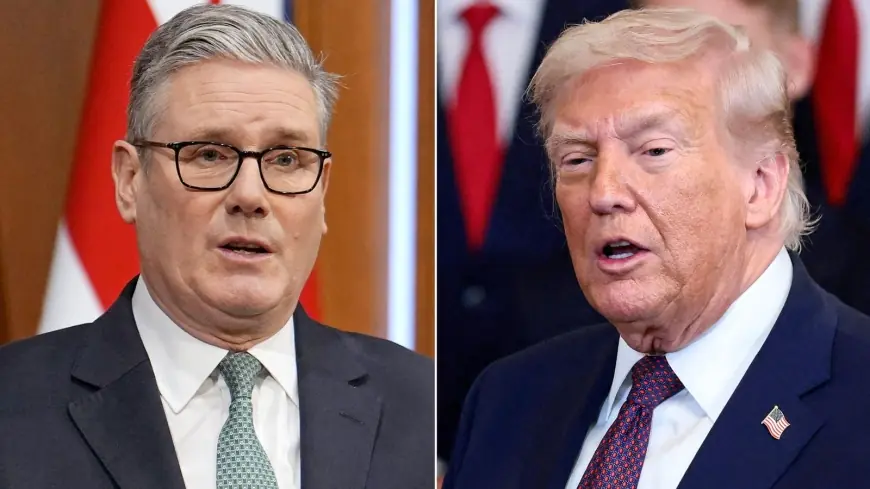
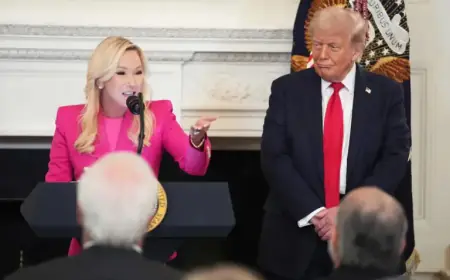
In a sudden escalation, the US president has publicly urged the UK prime minister not to hand over control of Diego Garcia to Mauritius, calling the move a major mistake and warning of security risks. The intervention comes just after the US government signalled support for the sovereignty deal, leaving British ministers scrambling to explain the apparent flip-flop and manage mounting domestic political pressure.
Washington reversal compounds diplomatic confusion
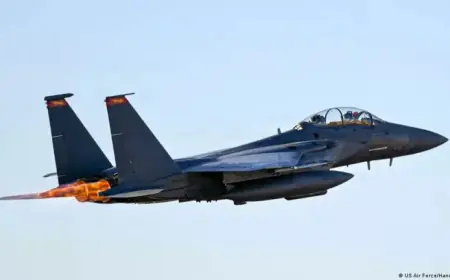
The US president's online message on Wednesday (ET) framed Diego Garcia as strategically vital, saying the island must remain available for potential military operations and accusing the UK leader of ceding control to what he described as ill-founded claims. The statement marked a sharp change from comments earlier this month that had characterised the negotiated settlement as the best available outcome.
British ministers have defended the agreement as the only durable way to secure the long-term future of the joint military base on Diego Garcia. Officials argue the 99-year lease arrangement in the deal guarantees continued operational access while resolving a longstanding sovereignty dispute. Nevertheless, the latest intervention from Washington has prompted urgent internal questions about what has shifted within the US position in little more than 24 hours.
Diplomatic the UK is seeking clarification from senior US counterparts while the foreign office prepares to set out the case for the deal in bilateral meetings. The episode underlines how sensitive arrangements over the British Indian Ocean Territory remain, given the base's role in regional security planning.
Domestic political fallout and Chagossian protest complicate matters
The president's comments have been seized on by opposition figures who argue the deal risks undermining Britain’s strategic relationship with the US. Critics on the right have used the intervention to demand the agreement be abandoned, while others say the episode highlights the dangers of relying on changing political leadership in Washington.
Separately, campaigners for the Chagossian community have stepped up direct action to draw attention to the transfer. British authorities issued removal orders after a small group of islanders landed on a remote atoll earlier in the week in an attempt to complicate the planned handover. The presence of campaigners on Peros Banhos has added a humanitarian and political layer to the debate, with opponents arguing the deal does not fully address past injustices suffered by displaced islanders.
Government spokespeople have reiterated that preserving the military base’s operational future is central to negotiating terms and that the agreement includes safeguards intended to balance strategic and humanitarian concerns. But with the public spat from Washington, ministers now face renewed scrutiny over whether those safeguards are sufficient and how the UK will manage allied expectations.
What happens next: legal, military and political paths forward
Legal advisers and defence officials will now be closely reviewing the mechanics of the transfer and the wording of the lease that secures base facilities. Any further shift in US posture could force fresh negotiations or a re-examination of operational arrangements that underpin regional deterrence planning.
Politically, the government must weigh whether to press ahead on the timetable agreed with Mauritius or to seek additional assurances from the US to quieten domestic opposition. The episode also gives rival parties fresh ammunition to campaign on defence and sovereignty, and it is likely to feature in parliamentary debates in the coming days.
For Chagossian campaigners, the diplomatic row has offered renewed visibility for longstanding demands for redress and resettlement options. For policymakers, it has become a test of crisis management: reconciling strategic defence needs, legal obligations, and the political cost of a transatlantic spat at a sensitive moment.