















New Documentary Puts tyra banks Back in the Hot Seat Over America's Next Top Model

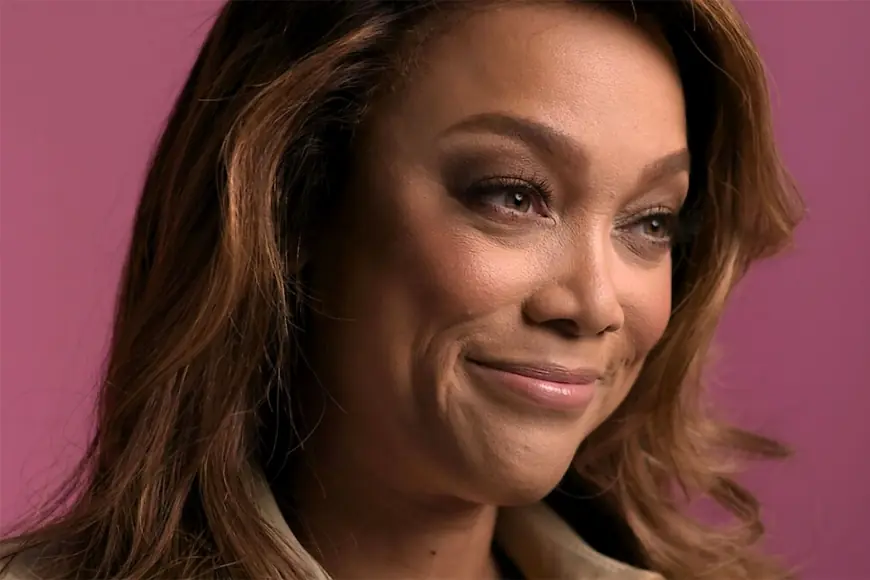
The newly released documentary Reality Check: Inside America’s Next Top Model has reopened a long-dormant conversation about a once-dominant reality franchise and the person at its center. The film gathers interviews with former contestants, judges and production figures to examine how the show was made and who was responsible for its more damaging moments. The result is a focused reassessment that repeatedly places tyra banks in the spotlight.
Why the documentary centers tyra banks
The documentary makes a simple but consequential argument: the program was not just presented by a celebrity face, it was shaped by an owner-level commitment. Participants in the film emphasize that Banks was more than a host; she had creative control and executive authority that directly influenced production choices. That level of ownership becomes the basis for the film’s critique—when contestants were pushed into emotionally fraught photoshoots, asked to perform painful reenactments of trauma, or steered toward extreme image work, the documentary implies those decisions trace back to the program’s leadership.
Rather than treating Banks as a neutral intermediary, the film repeatedly places responsibility at her feet. Her presence in the documentary — answering questions and reflecting on the show’s origins and goals — complicates the portrait but also reinforces the thesis that singular vision plus institutional pressure produced harmful outcomes. The film positions her as both architect and participant in the machine it seeks to dismantle.
Former contestants recount exploitation and cultural blind spots
Across 24 seasons the show created memorable, often surreal television moments: runway challenges staged inside clear bubbles, the now-infamous promotion of the "smize, " and high-concept shoots that pushed contestants into uncomfortable emotional territory. Interviewees in the documentary revisit those moments with fresh scrutiny, describing moments of coercion and creative decisions that prioritized spectacle over well-being. The film also confronts troubling aesthetic choices made during the show's run, including representation and makeup decisions that reflect the era’s blind spots and have not aged well.
Part of the documentary’s resonance comes from how younger viewers have rediscovered the series. A new generation streaming old episodes has brought renewed attention to behaviors that felt normalized at the time but now read as exploitative. The reunited voices of past contestants make clear that the production dynamics of early-aughts reality television were intense and, in many cases, damaging.
What the reassessment means for reality TV's reckoning
The film’s timing makes its critique unavoidable: a program that once defined an era of unsparing reality TV is now being reframed as a case study in ethical failing. Banks’s willingness to appear and respond ensures she remains a central figure in the conversation, but participation does not inoculate one from responsibility. The documentary suggests that ownership and creative control carry consequences, and that the entertainment value of certain moments was often bought at the expense of contestants’ dignity.
Ultimately, the documentary does what many retrospectives aim to do: it forces a cultural double-take. Viewers who remember the show as era-defining entertainment will find their memories complicated; those who are newly encountering the series will see how early reality programming shaped both careers and industry norms. Either way, the conversation about responsibility, spectacle and the human cost of reality television is likely to continue for some time.