



















Retail mogul Les Wexner tells lawmakers he was 'naive' and 'conned' by Epstein

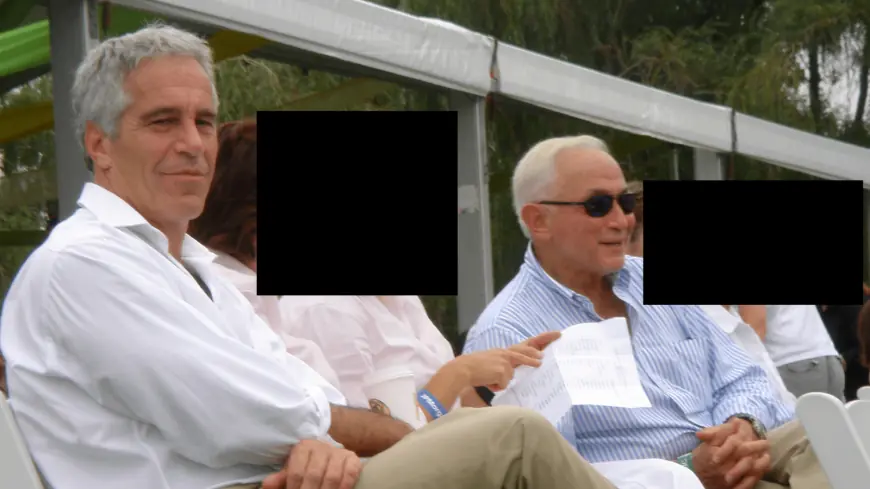
Les Wexner, the one-time head of several major retail brands, told a congressional panel on Wednesday (ET) that he had been "naive, foolish and gullible" in his relationship with Jeffrey Epstein and that the financier had "misappropriated vast sums" from his family. The closed-door deposition in Ohio focused on the decades-long association between the two men and whether the retail leader enabled Epstein's rise.
Wexner's testimony: denial, regret and accusations of theft
In an opening statement to lawmakers, Wexner sought to distance himself from Epstein's crimes while acknowledging poor judgment in placing trust in him. "I was naive, foolish and gullible to put any trust in Jeffrey Epstein, " he said. "He was a conman. And while I was conned, I have done nothing wrong and have nothing to hide. "
Wexner reiterated that he had no knowledge of Epstein's sexual abuse and that he severed ties after allegations surfaced in Florida. He also told the panel that he had visited Epstein's private island for only "a few hours" with family, and that his relationship with Epstein dated back to the 1980s.
But Wexner did not stop at personal regret. He said he discovered later that Epstein had stolen large sums from him and his family while acting as a financial adviser. The retail executive described the misappropriation as substantial, framing himself as another victim of Epstein's schemes.
Lawmakers press on financial support and potential enabling
Members of the committee raised pointed questions about whether Wexner's support helped Epstein accumulate the wealth and resources that facilitated his crimes. One congressman warned that there would be no island, no private plane and no money to traffic women and girls without the backing Epstein received early on.
The deposition in Ohio drew only lawmakers from one party; no members of the other party made the trip, though some staff attended. That contrast underscored partisan divisions even as lawmakers sought to map the financial and social networks that sustained Epstein for years.
Lawmakers pressed Wexner on the extent of his knowledge and on financial records that link the two men. Wexner insisted the relationship was limited and repeatedly denied any culpability for Epstein's criminal conduct, while acknowledging mistakes in judgment and oversight.
Outstanding questions about documents and potential co-conspiracy
Wexner's name appears frequently in files connected to Epstein, a fact noted by senior Justice Department officials who have reviewed the underlying records. A 2019 federal document identified him as a potential co-conspirator, though no criminal charges have been brought against him. Wexner has said a separate review found only limited evidence about his involvement in wrongdoing.
The release of thousands of documents in the wake of Epstein's crimes prompted the congressional inquiry and the Ohio deposition. Lawmakers are trying to reconcile public records, emails and witness accounts to determine whether prominent associates played any role in enabling trafficking or financial crimes.
For now, Wexner's testimony centers on two competing narratives: he presents himself as a wealthy businessman who was deceived and defrauded, while lawmakers argue his support helped create an environment in which Epstein prospered. The deposition adds another layer of detail to an investigation that continues to raise questions about accountability, influence and the failures of oversight.
The committee is expected to continue reviewing the documents and testimony as it considers potential next steps. Wexner said he was "pleased to testify" and sought to "set the record straight, " even as the broader inquiry into Epstein's network continues.