










tyra banks Faces Fresh Reckoning in Three-Part Docuseries on America’s Next Top Model

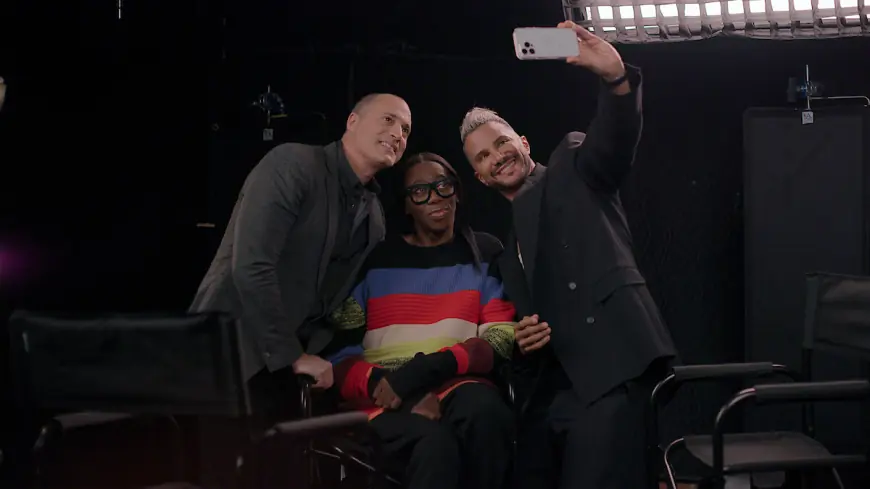
Reality Check: Inside America’s Next Top Model, a three-part documentary, revisits the early 2000s sensation and presents a blistering reassessment of its creative choices and human cost. With extensive interviews from former contestants and key figures who worked behind the scenes, the series reframes the show’s viral moments as instances of sustained humiliation, body-shaming and ethical lapses.
New testimony paints a grimmer portrait
The documentary gathers candid testimony from dozens of former contestants alongside on-camera interviews with the show’s central figures, including judges and producers. Those conversations reveal a pattern of practices that, while once presented as tough love or theatrical television, now read as exploitative. Contestants describe being weighed on camera, publicly criticised for their bodies and pressured into cosmetic changes. One participant who was celebrated by producers for her casting says she was publicly derided for having a “wide ass, ” a remark she says still affects how she talks to herself decades later.
Several of the show’s photoshoots are highlighted as especially troubling. The series revisits instances where models were asked to pose as homeless people, murder victims or members of ethnicities other than their own. In one safari-themed shoot, a contestant deemed to be bigger was made to pose as an elephant. Another exercise asked a model to simulate a bullet wound to the head — a choice that painfully intersected with the lived trauma of the contestant whose mother had been shot and left paralysed. An executive involved in production describes that particular concept as a mistake and a “celebration of violence, ” language that underscores how decisions meant to shock audiences often disregarded individual wellbeing.
Access does not equal absolution
The filmmakers secured remarkable access to the show’s inner circle: hosts, creative directors, photographers and producers sit for interviews and attempt to explain the rationale behind editorial choices. The film captures moments of contrition from some participants, while others deflect responsibility. One prominent figure declines to engage with certain storylines, calling production matters simply “not my territory. ” That reticence is part of the series’ thrust: access allows viewers to hear explanations, but those explanations often fall short of acknowledging harm.
Producers and judges concede that the series, with its glossy photoshoots and viral moments, fell short of contemporary ethical standards. Yet the docuseries repeatedly highlights contestants who believed the show was a ticket out of hardship, only to find that the exposure did not translate into meaningful careers in fashion. Instead, many left with lingering psychological damage and public shaming that the series argues was manufactured for entertainment.
What the series leaves unresolved
The documentary is broad in scope but uneven in pacing; its three-hour span could have been tighter. The frenetic editing leans into short-form, TikTok-era rhythms that sometimes dilute deeper testimony. Still, the accumulation of accounts — from pressured dental procedures to the recounting of off-site incidents that left contestants distressed — creates a cumulative case that the show’s constructed drama often prioritized ratings over care.
Perhaps the most unsettling throughline is how many participants signalled distress at the time and felt manipulated into continuing. The series surfaces a troubling disconnect between the industry’s glamorised image and the real-world consequences for the young people who became its fodder. For viewers reappraising the cultural legacy of that era of reality TV, the documentary offers a stark reminder that yesterday’s entertainment conventions can be today’s ethical scandals.
Whether the people who shaped the original program will offer further accountability remains to be seen, but the film makes clear that the conversation about modelling, media responsibility and the treatment of vulnerable contestants is far from over.