





















Michael Jordan Update: Why the Billion-Dollar Athlete Brand Still Sets the Standard in Sports

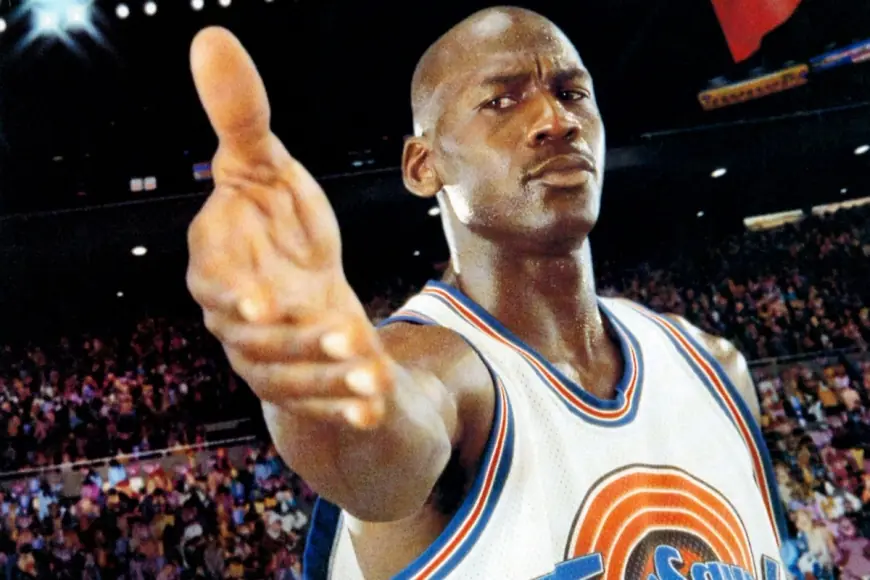
No major, widely verified breaking development about Michael Jordan has dominated the public record in the past 24 hours. But interest in Jordan rarely depends on a single headline. The Jordan story is a living business case: how one athlete built a legacy that keeps compounding through ownership, licensing, media, and culture long after retirement.
Jordan remains a central figure in modern sports because his influence sits at the intersection of three engines that almost never align at his scale: competitive mythology, global merchandising, and scarcity-driven brand control. Even when he is not making public appearances, his name moves markets in sneakers, collectibles, and team valuation conversations.
What’s happening around Michael Jordan now
Jordan’s public-facing activity tends to come in bursts: occasional appearances at major sports events, involvement with charitable initiatives, and periodic waves of attention tied to the Jordan brand’s releases and collaborations. On the business side, the machinery runs continuously. New product drops, retro releases, and premium collaborations keep the brand evergreen, while the secondary market and collector culture amplify the perception that Jordan-related goods are not just purchases but assets.
His post-playing career also continues to shape how fans and executives talk about ownership and influence. Even after stepping away from majority ownership of an NBA franchise in recent years, Jordan remains a reference point for athlete-turned-owners, the limits of celebrity in front-office decision-making, and the long-term leverage that comes from equity rather than endorsements alone.
Behind the headline: the incentives that keep Jordan relevant
Jordan’s ongoing relevance is not accidental. It is built on incentives that reward restraint and consistency.
Brand incentives
The Jordan brand benefits from controlled supply, selective storytelling, and a premium aura that resists overexposure. The less Jordan “needs” publicity, the more valuable his rare appearances and signature moments become. That scarcity is a strategic advantage in a sports world where attention is often exhausted by constant content.
Cultural incentives
Jordan’s myth is portable. It works across generations because it is not tied to a single era’s media ecosystem. Older fans remember dominance; younger fans inherit the legend through highlights, products, and culture. That creates a rare feedback loop where performance history fuels commerce, and commerce keeps the performance history visible.
Industry incentives
Leagues, sponsors, retailers, and media benefit when Jordan remains a baseline for greatness. The more people argue about who is the greatest, the more they consume games, documentaries, debates, and products. Jordan is the measuring stick that keeps the argument profitable.
Stakeholders: who gains and who carries risk
Who gains
The Jordan brand ecosystem, from designers and retailers to licensors and collaborators, benefits from continued demand. Collectors and resellers profit from scarcity and hype cycles. Athletes benefit indirectly because the “Jordan standard” raises the ceiling for endorsement strategy and brand-building.
Who carries risk
Brand dilution is the biggest long-term threat. If releases feel too frequent, too similar, or too disconnected from the mythos, the premium aura can erode. Another risk is reputational whiplash: in the modern era, older public moments can be reinterpreted through new cultural lenses, and any public figure can become a flashpoint without warning.
What we still don’t know and what to watch
Jordan’s most meaningful moves often happen quietly, so the public typically learns about them later. The open questions that matter most are strategic, not personal:
Whether Jordan increases involvement in new ownership or investment plays
If he takes a visible stake in another sports property or a major consumer brand, it would signal where elite athlete capital is flowing next.
How the Jordan brand navigates generational handoffs
The brand’s challenge is to stay rooted in Jordan’s legacy while letting new athletes and creators carry the torch without weakening the core identity.
How collectibles and secondary markets evolve
If regulation, platform policies, or consumer demand shifts, the “sneaker as asset” narrative could cool or accelerate, affecting how Jordan products are positioned.
What happens next: realistic scenarios with triggers
A new investment or board role becomes public, triggering a wave of “Jordan enters a new era” coverage.
A major product collaboration redefines the brand’s direction, signaling a pivot toward new audiences.
A cultural moment re-centers the greatest-of-all-time debate, boosting demand for Jordan-era memorabilia.
A broader retail slowdown forces premium brands to prove pricing power, testing how resilient the Jordan halo remains.
A commemorative milestone leads to curated appearances, designed to be rare and high-impact rather than frequent.
Why it matters
Michael Jordan is no longer just a sports icon. He is a case study in how talent becomes leverage, leverage becomes ownership, and ownership becomes durability. The practical lesson is simple: championships create fame, but controlled brand architecture creates longevity. In a world where attention is cheap and constant, Jordan’s lasting advantage is that his name still feels scarce.