



















Ramadan 2026 Begins This Week in the US, Bringing a Shorter-Fasting Month, Shifting Nightlife, and a Big Test for Workplaces and Schools

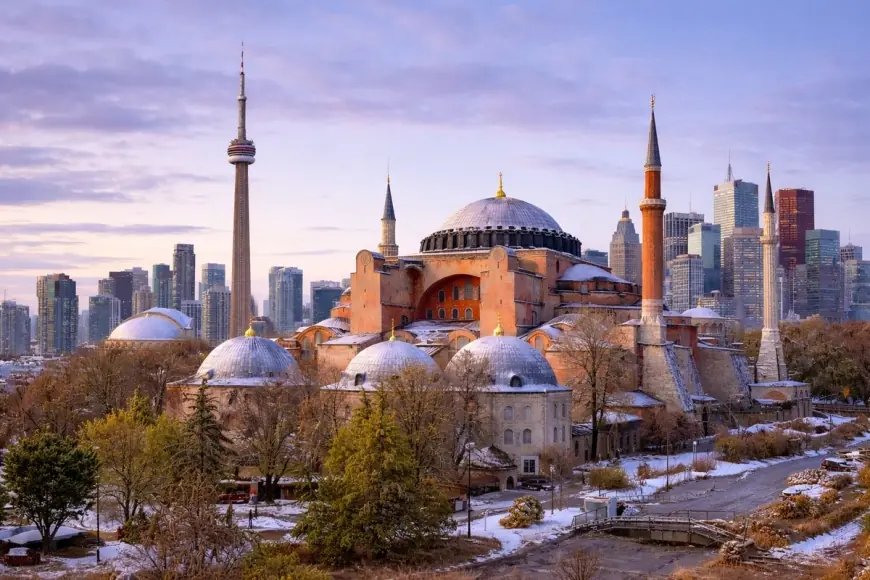
Ramadan is arriving across the United States this week, with many Muslim communities beginning the holy month at sunset on Tuesday, February 17, 2026 ET and starting the first full day of fasting on Wednesday, February 18, 2026 ET. Some communities, depending on local moon-sighting decisions and announcements, may begin one day later, with the first fast on Thursday, February 19, 2026 ET.
The timing matters beyond religious calendars. Ramadan reshapes daily routines, workplace schedules, school mornings, restaurant demand, and even local traffic patterns around evening gatherings. In 2026, the month lands in late winter, when days are shorter in much of the country, making fasting hours generally more manageable than when Ramadan falls in summer.
What happens during Ramadan and why the start date can differ
Ramadan is the ninth month of the Islamic lunar calendar and is marked by fasting from dawn to sunset, increased prayer, reflection, and charity. Because the Islamic calendar is lunar, the month shifts earlier each year on the Gregorian calendar. The start and end are traditionally tied to the sighting of the crescent moon, which is why you can see a one-day difference between communities even within the same city.
In practical terms, many families treat the night the month begins as a reset. Households adjust sleep schedules, athletes taper training, and mosques expand evening programming. For people fasting, the month becomes a daily cycle of a pre-dawn meal, daytime restraint, and a sunset meal that often turns into community time.
Behind the headline: incentives, stakeholders, and what changes right now
Ramadan is often discussed as a spiritual month, but it is also a logistics month. The incentives and constraints are different for each group involved.
For individuals and families, the incentive is devotion and routine-building, but the constraint is fatigue management, especially for people with early shifts, long commutes, exams, or physical labor.
For mosques and community centers, Ramadan is the highest-demand period of the year. Capacity, parking, food safety, volunteer staffing, security, and fundraising all come into play at once. Many communities also rely on Ramadan for charitable giving that supports year-round services.
For employers and schools, the incentive is retention and inclusion, and the constraint is policy clarity. Small schedule adjustments can have outsized effects: flexible start times, protected breaks, and sensitivity around food-centered meetings often matter more than big formal statements.
For restaurants and grocers, demand shifts later in the day. You can see quieter lunch hours in some neighborhoods and a spike in evening takeaway, catering, and dessert sales.
What we still don’t know
Even with expected dates, several things remain fluid at the edges:
-
Which communities will begin fasting on February 18 versus February 19 ET
-
How local institutions will handle space constraints at peak evening prayer times
-
Whether school districts and employers will proactively communicate accommodations or leave it to individual requests
-
How public-facing services will manage evening crowding, especially around major weekend nights late in the month
These missing pieces matter because Ramadan is not one uniform experience. It is a shared month with local variations in timing, practice, and community infrastructure.
Second-order effects: the ripples beyond fasting
Ramadan’s less obvious impacts tend to show up in three areas.
First, health behavior changes quickly. Sleep compression is common, caffeine timing shifts, and people often swing between under-hydration during the day and heavy evening meals. That can affect productivity, mood, and driving safety around sunset when people are rushing home.
Second, social life reorganizes. Evening becomes the primary social window, which can reshape community fundraising, civic engagement, and even neighborhood noise patterns.
Third, public understanding gets tested. People who have never been around Ramadan may unintentionally schedule lunches, team celebrations, or high-stakes physical training at the wrong time. Small misunderstandings can turn into bigger workplace friction if leaders are not prepared.
What happens next: realistic scenarios and triggers
Here are a few likely developments over the next month, with clear triggers:
-
A wave of workplace guidance and accommodation requests after the first few fasting days reveal pain points. Trigger: fatigue and schedule conflicts surfacing in week one.
-
Increased demand on evening community services, including food drives and communal meals. Trigger: rising attendance after the first weekend.
-
A sharper focus on school and youth sports scheduling as practices and games collide with sunset. Trigger: early-season tournaments and tryouts.
-
A late-month surge in shopping and charitable giving as families prepare for the holiday that ends Ramadan. Trigger: the final ten nights, when attendance and donations often rise.
-
A split in holiday timing at the end of the month, with some communities celebrating on different days. Trigger: the same moon-sighting dynamics that affect the start date.
Why it matters
Ramadan is a month of faith, but it is also a month that reveals how well society handles quiet differences without turning them into burdens. When schedules are flexible and expectations are clear, Ramadan can pass with minimal friction and a stronger sense of community. When institutions are rigid or unaware, the strain shows up in preventable ways: missed sleep, unnecessary conflict, and avoidable exclusion.
For many Muslims in the US, the immediate next step is practical and simple: settle the start date locally, adjust the daily rhythm, and prepare for a month that will feel both fast and intense. For everyone else, the next step is equally straightforward: treat it like any major season that changes people’s schedules, and plan accordingly.