



Tom Noonan, the Singular Screen Villain and Indie Auteur, Dies at 74 as Fans Revisit His Most Unsettling Work

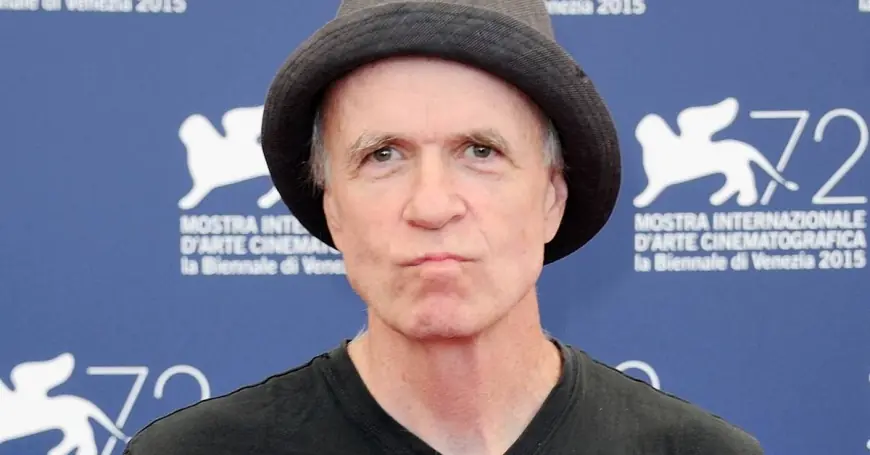
Tom Noonan, the towering character actor whose quiet intensity made him unforgettable in thrillers, action films, and offbeat dramas, has died at age 74. His death occurred on Saturday, February 14, 2026, and was confirmed publicly in tributes shared online on Wednesday, February 18, 2026, in USA Eastern Time.
For many viewers, Noonan’s face is inseparable from a particular kind of unease: calm menace without theatrics, softness that could turn sharp, and a physical stillness that made scenes feel trapped in place. He was best known for playing Francis Dollarhyde in Manhunter, a role that helped define the modern cinematic serial killer. But his career was broader than the “villain” label suggests. He moved between studio films and independent projects, and he built a parallel identity as a playwright and filmmaker whose work often explored loneliness, power, and the awkward friction of human connection.
What happened and why the timing matters
The news landed as a wave rather than a single announcement: a death date on February 14 followed by a confirmation several days later. That gap matters in how public mourning forms around artists who were not constant tabloid fixtures. The story tends to spread through communities first, then outward, driven by the people who worked with him and the fans who felt personally claimed by his performances.
In the days immediately following confirmation, the practical focus turns to two things: honoring the person and re-contextualizing the work. With Noonan, that usually means revisiting a filmography that spans mainstream hits and quietly influential indies, then realizing how often he stole scenes without ever demanding the spotlight.
Behind the headline: the actor who made discomfort feel truthful
Noonan’s signature was restraint. He didn’t play “big.” He played exact. That created a specific kind of fear and empathy: viewers weren’t watching a monster announce itself; they were watching someone who could plausibly exist in the next room.
That craft made him an ideal fit for directors drawn to tension and atmosphere. It also made him unusually durable across genres. In Heat, he appears in a film packed with louder energy and still leaves an imprint. In RoboCop 2, he becomes the cult leader Cain, a performance that turns charisma into something poisonous. In The Monster Squad, he reimagined Frankenstein’s monster with a tragic weight that many fans still cite as the film’s emotional core. He also surfaced in films like Last Action Hero, Synecdoche, New York, and The House of the Devil, and he later reached new audiences through television roles including Hell on Wheels and 12 Monkeys.
The common thread is not the plot but the effect: Noonan often played men who seemed to be listening more than speaking, letting silence do the damage.
The other Tom Noonan: playwright, director, and the economics of independence
Noonan’s legacy isn’t only performance. As a writer-director, he created intimate work that ran counter to Hollywood momentum. His 1994 film What Happened Was..., adapted from his stage play, won the top dramatic jury prize at a major American independent film festival and also earned a screenwriting honor. The story is essentially a pressure cooker: a first date that becomes a slow unmasking. It’s small in scale but huge in psychological exposure, the kind of film that becomes a private reference point for actors and filmmakers even when it’s not widely seen.
That dual identity matters now because it clarifies what motivated him. He wasn’t chasing fame. He was chasing control over tone, over character, over the uncomfortable truths that bigger systems tend to sand down.
The incentives around that kind of career are harsh. Independent work is vulnerable to distribution bottlenecks, funding droughts, and the reality that subtle art often travels slower than spectacle. Yet those constraints also explain why artists like Noonan matter: they keep a lane open for stories that are unglamorous, strange, and painfully human.
What we still don’t know
Public information about the circumstances of Noonan’s death remains limited. That restraint is common and, for many families and collaborators, intentional. In cases like this, the key missing pieces are not sensational details but personal ones: how he spent his last years, what projects he may have been developing, and what he considered unfinished.
Those answers may surface later through memorial statements, archival releases, or the recollections of collaborators.
What happens next: how his work is likely to be re-evaluated
Several realistic developments tend to follow in the coming weeks:
-
Renewed screenings and repertory programming centered on Manhunter, Heat, and What Happened Was...
-
A reappraisal of his “villain” roles as studies in vulnerability and control rather than simple menace
-
A spotlight on his theater work, particularly the way his writing treated embarrassment and loneliness as serious dramatic forces
-
New interviews and tributes that clarify his process, especially from actors who learned from his minimalism
Why it matters
Tom Noonan’s career is a reminder that cultural influence does not always look like ubiquity. Some artists shape the medium by becoming the actor other actors study, the filmmaker filmmakers quietly cite, and the presence that makes a scene feel more real than comfortable.
His death closes the book on a singular voice, but it also opens a familiar second act: the rediscovery, the rewatching, and the realization that his most unsettling performances were unsettling because they felt true.