























lent 2026 begins amid rare convergence of Lunar New Year, Mardi Gras and solar eclipse

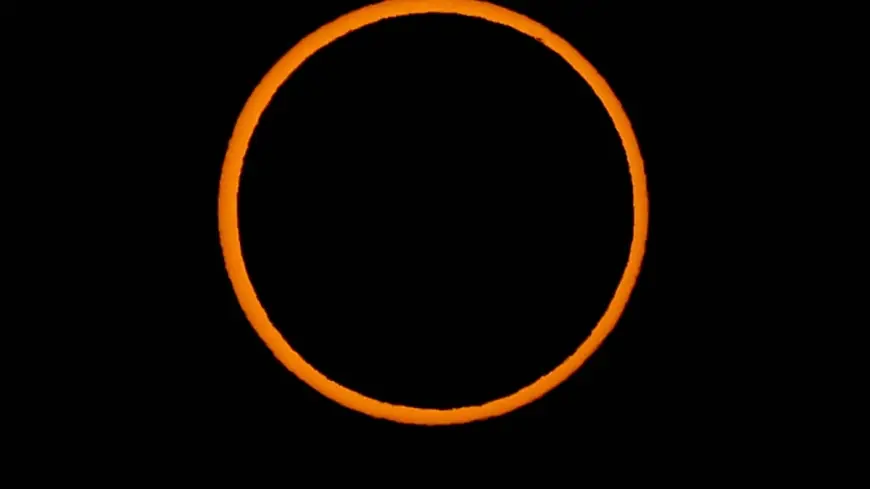
The third week of February 2026 brings an extraordinary cluster of religious, cultural and astronomical events. After Presidents Day on Feb. 16, communities around the world marked Lunar New Year and Mardi Gras on Feb. 17 while an annular solar eclipse crossed remote skies. Ash Wednesday, which starts Lent 2026, follows on Feb. 18, and the start of Ramadan is tied to local moon sightings that could place it on Feb. 17, Feb. 18 or Feb. 19 ET for different observers.
A packed weekend: Lunar New Year, Mardi Gras and the ring-of-fire eclipse
Tuesday night, Feb. 17, launched the Lunar New Year festivities as the new moon ushered in the Year of the Horse. The 15-day festival runs through the Lantern Festival on Monday, March 3, and includes parades, family gatherings, fireworks and memorials for ancestors in Asian communities worldwide.
That same day, Carnival season culminated with Mardi Gras celebrations in many Southern U. S. cities and international Carnival venues. Parades, music and traditional foods marked Fat Tuesday observances, as communities wrapped up weeks of processions that began earlier in February.
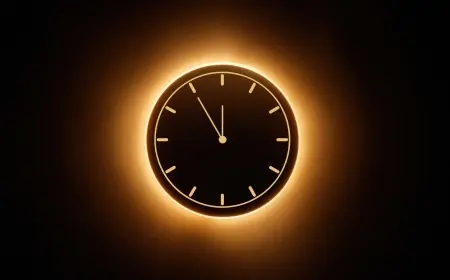
The day also featured an annular solar eclipse, a phenomenon in which the moon passes between Earth and the sun but does not fully obscure the solar disk, producing a bright ring or "ring of fire. " The eclipse was most visible over Antarctica, where coverage reached roughly 91 percent. Madagascar saw up to about 20 percent coverage, while the southern tips of South America and Africa observed only a partial eclipse. The event had concluded by 9: 37 a. m. ET on Feb. 17.
Ramadan timing: crescent sighting and community choices
The start of Ramadan is governed by the sighting of the thin waxing crescent moon, so start dates can vary by community. Some observatories announced the crescent had been sighted on the evening of Feb. 17, which would mark the beginning of Ramadan that night. Other communities will await local sightings and religious committees, meaning the fast could instead begin on Feb. 18 or Feb. 19 ET for many Muslims.
When Ramadan begins, observant Muslims undertake a month of dawn-to-sunset fasting, intensified prayer, reflection and community charity. The month concludes with Eid al-Fitr, a holiday that will fall in March and may occur on March 19 or March 20 depending on lunar observations.
What Lent 2026 means locally and culturally
Ash Wednesday on Feb. 18 marks the start of Lent 2026, a 40-day season of fasting, penitence and spiritual reflection for many Christians leading up to Easter. Lent runs through Holy Thursday, which falls on April 2 this year, ahead of Easter Sunday on April 5. Parishes and congregations typically observe Ash Wednesday with services and the imposition of ashes, while many adherents adopt Lenten disciplines such as giving up certain foods or practicing enhanced charitable works.
The proximity of these observances this week underscores how lunar and liturgical calendars can converge to create intense moments of shared time. Cities hosting large Lunar New Year parades and Carnival events have balanced festive scheduling with faith-based observances, while diverse communities have coordinated public events, travel plans and worship schedules accordingly.
For observers, the week offered a rare juxtaposition: the renewal themes of Lunar New Year, the revelry and communal rites of Mardi Gras, the solemn beginning of Lent 2026, and the spiritual discipline of Ramadan — all framed by an eclipse that touched remote skies. Whether felt as coincidence or a cosmically synchronized moment, the convergence drew attention to the ways calendars and the skies shape cultural life.